
Essential Tips Every Golf Enthusiast Must Master
Essential Tips Every Golf Enthusiast Must Master – Golf is more than just a sport; it is a lifelong skill that rewards patience, consistency, and smart decision-making. Whether you are a weekend golfer or someone aiming to improve your handicap, mastering the fundamentals is what separates casual players from confident ones. Many golfers focus too much on distance or equipment, but true improvement comes from understanding the core elements of the game and applying them consistently.
This guide covers essential golf tips every enthusiast must master, focusing on technique, mindset, and course management to help you play smarter and enjoy the game more.
Understanding the Basics of a Solid Golf Foundation
Before chasing advanced shots or complex strategies, every golfer needs a strong foundation. The basics may seem simple, but they are often the most overlooked.
Grip, Stance, and Posture Matter More Than You Think
A proper grip is the starting point of every successful swing. Holding the club too tightly can limit flexibility, while a grip that is too loose reduces control. The goal is balance and comfort, allowing the clubface to stay square through impact.
Stance and posture play an equally important role. Your feet should be shoulder-width apart, knees slightly bent, and spine tilted forward naturally. Good posture helps maintain balance and improves swing consistency, reducing the risk of slicing or hooking the ball.
Mastering these fundamentals creates a repeatable swing that holds up under pressure.
Developing a Consistent Golf Swing
Many golfers struggle with inconsistency, hitting great shots one moment and poor ones the next. Consistency comes from rhythm, not power.
Focus on Tempo Instead of Strength
One of the most important golf tips is to stop overswinging. A smooth, controlled tempo produces better results than trying to hit the ball as hard as possible. Power comes naturally when the swing sequence is correct.
By focusing on rhythm and timing, golfers can generate distance without sacrificing accuracy. Practicing half swings is a great way to build muscle memory and develop a reliable motion.
Smart Course Management for Lower Scores
Golf is a mental game as much as a physical one. Smart decisions on the course often matter more than perfect technique.
Play the Percentage Shot
Instead of always aiming for the pin, choose safer targets that reduce risk. Avoid hazards when possible and accept that sometimes a par is better than a risky birdie attempt. Professional golfers excel because they minimize mistakes, not because they hit miraculous shots every hole.
Understanding your own strengths and limitations helps you choose shots that match your skill level, leading to more consistent scoring.
Mastering the Short Game
The short game is where most strokes are won or lost. Improving this area can dramatically lower your scores.
Chipping and Putting Build Confidence
Chipping requires touch, not force. A controlled, pendulum-style motion helps maintain distance control around the greens. Keeping the wrists quiet and letting the club do the work leads to cleaner contact.
Putting is all about feel and alignment. Practicing distance control and reading greens correctly can turn three-putts into confident two-putts. Many golfers underestimate how much time they should spend on the putting green, even though it accounts for nearly half of all strokes.
Mental Toughness and Focus on the Course
Golf challenges the mind like few other sports. Staying calm and focused is essential, especially after a bad shot.
Learn to Reset After Mistakes
Every golfer hits bad shots, even professionals. The difference is how quickly they recover mentally. Dwelling on mistakes leads to tension and poor decision-making on the next shot.
Developing a simple pre-shot routine helps maintain focus and confidence. This routine creates consistency and allows you to approach each shot with a clear mind, regardless of what happened previously.
Choosing the Right Equipment for Your Game
While skill matters more than gear, using equipment suited to your ability can make a noticeable difference.
Clubs Should Match Your Swing, Not Trends
Many golfers use clubs that are too stiff or advanced for their swing speed. Properly fitted clubs improve accuracy, distance, and comfort. Beginners and intermediate players often benefit from forgiving club designs that reduce mishits.
The right golf ball also matters. Softer balls offer better control around the greens, while firmer balls provide more distance. Choosing equipment that complements your style helps you play more confidently.
Practice with Purpose, Not Just Repetition
Mindless practice rarely leads to improvement. Effective practice has a clear goal and structure.
Quality Practice Beats Long Sessions
Short, focused practice sessions are often more productive than hours of unfocused hitting. Working on specific aspects, such as alignment, distance control, or bunker shots, leads to measurable progress.
Tracking your performance during practice can help identify weaknesses and guide future sessions. Improvement happens faster when practice mimics real course situations.
Enjoying the Game While Improving
Golf is a game meant to be enjoyed. While improvement is important, enjoyment should always come first.
Balancing competitive goals with appreciation for the game keeps motivation high. Walking the course, playing with friends, and celebrating small improvements make golf rewarding at every level.
Final Thoughts on Becoming a Better Golf Enthusiast
Mastering golf is a journey, not a destination. By focusing on fundamentals, making smarter decisions, improving the short game, and strengthening mental focus, any golfer can elevate their performance. These essential tips provide a strong foundation for consistent improvement and long-term enjoyment.
Golf rewards patience and discipline, but it also offers endless opportunities to learn and grow. With the right mindset and approach, every round becomes a chance to play better than the last.

Inside the Mind of a True Golf Enthusiast
Inside the Mind of a True Golf Enthusiast – Golf is more than a sport. For a true golf enthusiast, it becomes a way of thinking, a personal rhythm, and sometimes even a quiet obsession. From the early morning tee times to the endless discussions about swing mechanics, golf lives rent-free in their mind. Understanding what drives a real golf lover helps explain why this game, often seen as slow or traditional, has such a loyal and passionate following around the world.
This article takes a deeper look into the mindset of a genuine golf enthusiast and why golf holds such a powerful grip on their daily life.
The Emotional Connection to Golf
Golf as a Personal Journey
A true golf enthusiast rarely sees golf as just competition. For them, it is a personal journey filled with small victories and constant self-reflection. Every round tells a story. A great shot brings satisfaction, while a poor swing becomes a lesson rather than a failure.
Unlike many fast-paced sports, golf allows space for thought. Enthusiasts enjoy that quiet moment before a swing, where focus, patience, and confidence collide. That emotional connection is one reason many golfers stay loyal to the game for decades.
The Love for the Challenge
Golf is brutally honest. The ball does exactly what the swing tells it to do. This reality is both frustrating and addictive. A true golf enthusiast loves this challenge. They understand that perfection is impossible, but improvement is always within reach.
Each round becomes a puzzle. Wind, terrain, club selection, and mental state all play a role. Solving that puzzle, even partially, is what keeps enthusiasts coming back week after week.
The Mental Side of a Golf Enthusiast
Obsession with Improvement
Inside the mind of a golf enthusiast, there is always room for improvement. They think about grip pressure while driving to work. They replay swings in their head before sleeping. Improvement does not always mean lowering scores; sometimes it is simply hitting one pure iron shot after a bad round.
Practice is rarely forced. True enthusiasts enjoy the process, whether it is spending time at the driving range or experimenting with putting drills at home.
Respect for Discipline and Patience
Golf teaches patience better than most sports. A single bad hole should not ruin an entire round, and enthusiasts know this well. They learn to control emotions, reset their mindset, and focus on the next shot.
This discipline often carries over into everyday life. Many golf enthusiasts appreciate routines, preparation, and long-term progress. The game quietly shapes how they think beyond the course.
Equipment and the Never-Ending Curiosity
More Than Just Clubs
To an outsider, golf equipment may look simple. To an enthusiast, it is a world of endless curiosity. Shafts, loft angles, grips, and ball compression are not just technical terms; they are tools for self-expression.
True golf enthusiasts love testing new equipment, even if it does not always improve their score. The process of discovery is part of the fun. They understand that the right club can boost confidence as much as performance.
The Ritual of Preparation
Cleaning clubs, checking gloves, organizing the golf bag — these small rituals matter. They create a sense of readiness and respect for the game. For enthusiasts, preparation is calming and satisfying.
This attention to detail reflects how deeply golf is embedded in their mindset.
The Social Side of Golf Enthusiasm
Building Bonds on the Course
Golf has a unique social rhythm. Long rounds create space for conversation, silence, and shared experiences. True golf enthusiasts value this deeply. Many friendships are built during four-hour walks across fairways.
Whether playing with close friends or strangers, golf creates instant connection. Shared struggles and great shots break down barriers quickly.
Respect for Tradition and Etiquette
A real golf enthusiast respects the traditions of the game. Etiquette is not seen as outdated but essential. Fixing divots, raking bunkers, and staying quiet during a swing are signs of respect for fellow players and the course itself.
This respect for tradition adds depth to the experience and keeps the spirit of golf alive across generations.
Why Golf Becomes a Lifestyle
Golf Beyond the Course
For true enthusiasts, golf does not end after the 18th hole. They watch tournaments, read golf news, follow players, and analyze swings online. Golf content becomes part of their daily routine.
Even casual moments can spark golf thoughts. A strong breeze might remind them of a difficult approach shot. A perfectly trimmed lawn can resemble a fairway. Golf becomes a lens through which they see the world.
The Escape Factor
Golf offers something rare: mental escape. During a round, worries fade into the background. Focus shifts entirely to the next shot. This sense of presence is powerful, especially in a busy modern world.
Many enthusiasts see golf as therapy. The walk, the green surroundings, and the focus required create a unique sense of calm.
The True Meaning of Being a Golf Enthusiast
It Is Not About Skill Level
Being a true golf enthusiast has little to do with handicap. Some enthusiasts break 80 regularly, others struggle to break 100. What matters is passion, curiosity, and respect for the game.
They show up even after bad rounds. They stay curious even when progress feels slow. That mindset defines them more than any scorecard ever could.
A Lifelong Relationship with the Game
Golf is one of the few sports that welcomes players for life. True enthusiasts appreciate this. They know the game will evolve with them, changing pace and goals over time.
Inside the mind of a true golf enthusiast lives patience, passion, and a quiet love for constant improvement. Golf is not just something they play; it is something they live.

Everything Golf Lovers Need to Know and Enjoy
Everything Golf Lovers Need to Know and Enjoy – Golf is more than just a sport; it’s a lifestyle. For those who have embraced the game, there’s a whole world of experiences, equipment, and knowledge waiting to be discovered. Whether you are a seasoned golfer or someone just picking up the club, understanding the essentials of golf can transform your enjoyment of the game. This guide is designed to cover everything a golf lover might want to know, from courses and equipment to tips for improving your game and enjoying golf to the fullest.
The Appeal of Golf
Golf is unique because it combines physical skill with mental strategy. Unlike many other sports, it allows for moments of personal reflection, time spent outdoors, and social interaction all at once. Walking a course, feeling the sun, and taking in the landscape can make the experience as enjoyable as the competition itself. Golf appeals to people of all ages and abilities, making it a sport that can truly be enjoyed for a lifetime.
Why People Fall in Love with Golf
One reason golf is so captivating is its accessibility. You don’t need extreme strength or speed to play well, but mastering the technique takes patience and practice. Each swing, each putt, and each shot offers a chance to improve. Golf also offers a sense of calm and focus. Many players describe a round of golf as therapeutic—a way to escape the stress of everyday life while still challenging yourself.
Understanding Golf Equipment
Having the right equipment can make a huge difference in your game. Beginners might feel overwhelmed by the variety of clubs, balls, and accessories, but it doesn’t have to be complicated. Understanding the essentials will help you make better choices and enjoy the game more.
Golf Clubs
Golf clubs are divided into three main categories: woods, irons, and putters. Woods are used for long-distance shots, usually from the tee or fairway. Irons are versatile clubs used for a variety of distances and situations. Putters are designed for use on the green, helping you sink the ball with precision. Choosing clubs that match your skill level and swing style is essential for improving your performance.
Golf Balls
Golf balls may seem simple, but they can affect your game more than you might think. Balls differ in compression, spin, and cover material. Beginners often benefit from balls that prioritize distance and forgiveness, while more experienced players may prefer balls that offer better control and spin around the green.
Golf Accessories
While clubs and balls are the foundation, accessories like gloves, tees, and rangefinders can enhance your experience. A golf glove can improve grip and prevent blisters, while a rangefinder can help you measure distances accurately. Even small additions like proper shoes can make a round more comfortable and enjoyable.
Finding the Right Golf Course
One of the joys of golf is exploring different courses. Each course offers a unique challenge, scenery, and experience. Choosing the right course depends on your skill level, location, and the type of experience you want.
Public vs. Private Courses
Public courses are open to anyone and often provide a friendly environment for beginners. They are generally more affordable and easier to access. Private courses, on the other hand, offer exclusive memberships, high-quality facilities, and sometimes more challenging layouts. Both types of courses have their benefits, so the best choice depends on your goals and preferences.
Course Etiquette
Golf has a strong culture of etiquette. Respecting other players, maintaining pace of play, and taking care of the course are essential for a pleasant experience. Simple gestures like repairing ball marks on greens or raking bunkers can go a long way in maintaining a welcoming atmosphere for everyone.
Improving Your Golf Game
Every golfer wants to improve, and there are several ways to do it without turning your life upside down. Consistent practice, learning techniques, and seeking advice from experienced players can accelerate progress.
Practicing Fundamentals
Focus on the basics: grip, stance, and swing mechanics. Even small adjustments can significantly impact your performance. Practicing regularly at a driving range or putting green allows you to fine-tune your skills without the pressure of a full round.
Learning from Others
Golf is a social game, and watching or playing with others can teach you new techniques and strategies. Joining a local club or participating in group lessons can provide valuable feedback. Experienced players often have insights that can save you years of trial and error.
Mental Game
Golf is as much a mental challenge as a physical one. Staying focused, managing frustration, and visualizing shots are key aspects of success. Many professional golfers emphasize the importance of mental preparation, and even casual players can benefit from simple techniques like deep breathing or positive visualization.
Enjoying Golf Beyond the Game
Golf offers more than just competition. It can be a social activity, a way to enjoy nature, and even a travel experience. Many enthusiasts combine golf with vacations, exploring famous courses around the world while experiencing new cultures and landscapes.
Golf Travel
For passionate golfers, visiting renowned courses can be a bucket-list experience. From the historic links of Scotland to the scenic coastal courses of California, golf travel allows you to enjoy the sport in incredible settings. Planning trips around golf can create unforgettable memories and deepen your appreciation for the game.
Social and Health Benefits
Golf provides opportunities to meet new people and strengthen relationships. Many players form lasting friendships on the course. Physically, walking a course, swinging clubs, and maintaining focus contribute to overall fitness and mental well-being.
Staying Updated in the Golf World
Golf continues to evolve with new equipment, training methods, and professional tournaments. Staying informed helps you appreciate the sport more fully and discover new ways to enjoy it.
Following Tournaments and Pros
Professional tournaments offer inspiration and insight into high-level play. Watching the strategies, techniques, and approaches of top players can help you refine your own game. Following your favorite pros also adds excitement and connection to the broader golf community.
Golf Technology and Trends
Technology has transformed the game in recent years. Advanced launch monitors, swing analyzers, and online coaching apps make it easier to track improvement and identify areas for growth. Staying updated on trends ensures you make the most of your golfing experience.
Conclusion
Golf is a sport that blends skill, strategy, and enjoyment. For lovers of the game, understanding equipment, courses, etiquette, and techniques can enhance every round. Beyond the technical aspects, golf offers social connections, health benefits, and opportunities for travel and exploration. Whether you’re chasing a perfect swing or simply enjoying the beauty of a course, golf has something for everyone. Embracing its challenges and pleasures makes it a lifelong passion worth exploring.
Golf Tips for Better Swings and Lower Scores
Golf Tips for Better Swings and Lower Scores – Golf is one of those sports that looks simple until you try it. A smooth swing, a clean strike, and the ball goes exactly where you want it. But for many golfers, the reality is a little different. The ball slices, hooks, or barely gets off the ground. The good news is, improving your swing and lowering your score doesn’t require magic—just the right habits and a bit of practice.
Whether you’re a beginner or you’ve been playing for years, these golf tips can help you swing more consistently, hit the ball cleaner, and walk off the course with a better score.
Understand the Basics of a Good Swing
Before you start tweaking your technique, it’s important to nail the fundamentals. A lot of swing problems come from not having a stable base.
Your Stance Matters More Than You Think
A solid stance gives you balance and power. Start with your feet shoulder-width apart, and make sure your weight is evenly distributed. If your feet are too close together, you’ll lose balance. Too far apart, and you’ll feel stiff.
When you set up to the ball, try to keep your knees slightly bent and your spine straight. It may sound basic, but this posture helps you rotate properly and maintain control.
Grip Like You Mean It
Grip is one of the most overlooked parts of the swing. If your grip is too tight, your hands get tense and your swing becomes jerky. Too loose, and you lose control of the club.
A good grip should feel firm but relaxed. Your hands should work together as a unit. A common trick is to check that you can see two knuckles on your left hand (for right-handed golfers) when you look down. This simple adjustment can improve your control immediately.
Improve Your Swing Path
The path of your swing is a big reason why shots go off line. A clean, inside-out swing path can help you hit straighter shots more often.
Avoid the “Over-the-Top” Move
If your shots are slicing or fading too much, you may be swinging over the top. This happens when your shoulders move outward during the downswing, causing the club to come from outside the target line.
To fix this, focus on starting your downswing with your hips and lower body. Let your arms follow naturally. It’s a small change, but it can make a huge difference.
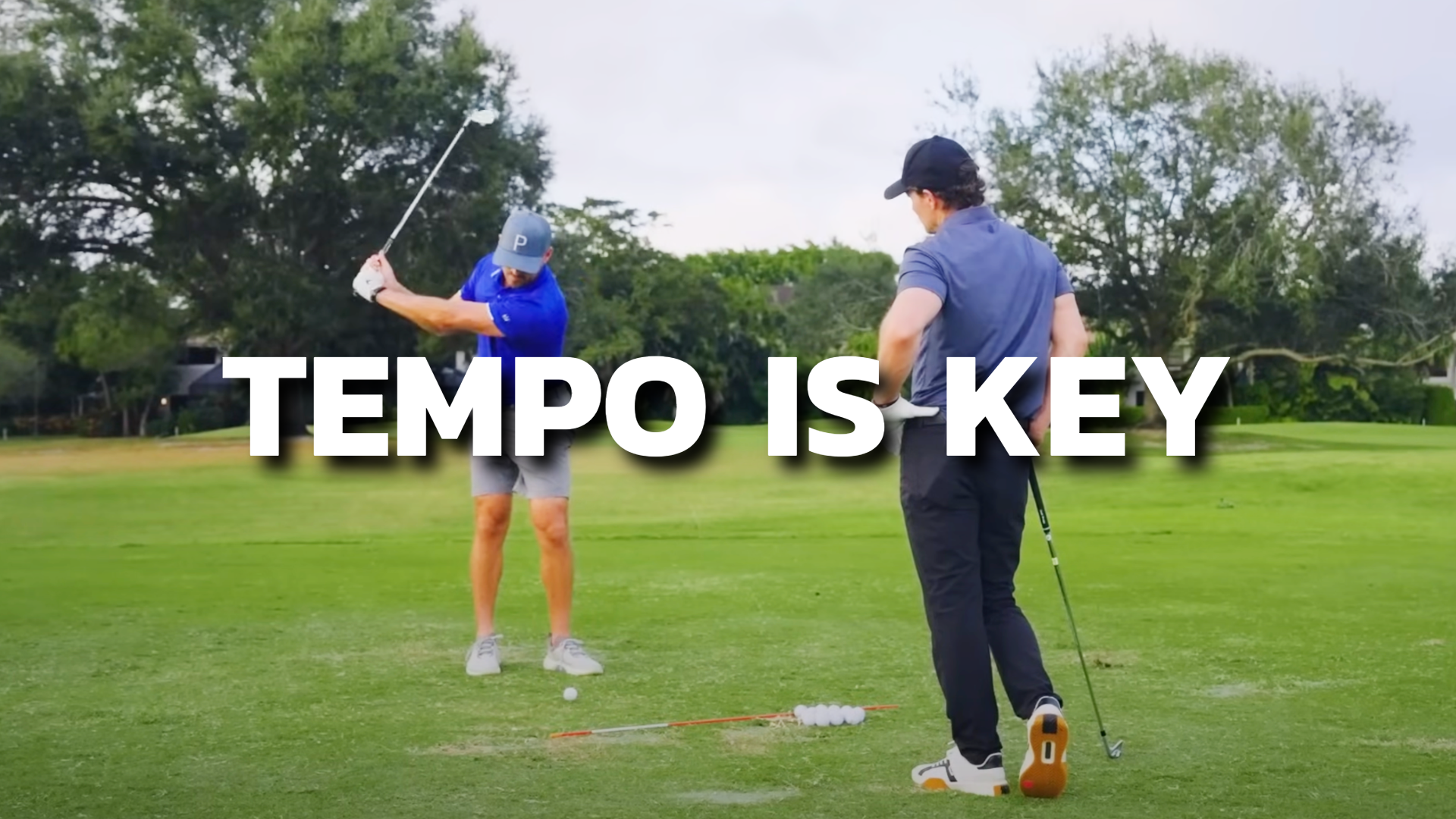
Practice the “Slow to Fast” Swing
Many golfers rush their swing, especially when they feel pressure. A faster swing isn’t always better. Instead, try a smooth transition from backswing to downswing. Think of it like a wave—slow at first, then building speed through impact.
When you practice, start slow and gradually increase speed. This helps you maintain control and improves consistency.
Master the Short Game for Lower Scores
You can hit great drives, but if your short game is weak, your score won’t improve much. The key to lower scores is strong chipping and putting.
Learn the Basics of Chipping
Chipping is all about control. The goal is to get the ball onto the green and let it roll toward the hole. A common mistake is trying to lift the ball too much.
Instead, use a more controlled swing with a short backswing and follow-through. Keep your hands ahead of the ball at impact. This helps you strike the ball cleanly and keeps the ball low and rolling.
Putting Is Mostly About Feel
Putting is a game of feel and confidence. A lot of golfers overthink it. Try to focus on the line and speed. The best putts are the ones you don’t worry about too much.
When you practice, spend time on distance control. Hit putts from different lengths and try to get the ball close to the hole every time. The more you practice this, the more your confidence grows.
Course Management: Play Smart, Not Hard
Lower scores aren’t only about better swings. Smart decisions on the course matter just as much.
Know When to Be Aggressive
It’s tempting to go for the green every time, but sometimes that leads to trouble. If there’s water, a bunker, or a narrow fairway, consider playing safer.
Choose shots that give you a high chance of success. This doesn’t mean playing boring golf. It means you’re choosing smart shots that keep your score low.
Aim for the Center of the Green
When in doubt, aim for the middle of the green. A lot of golfers try to hit perfect shots toward the pin and end up in trouble. The center of the green gives you a bigger margin for error.
If you hit the green, you have a chance to two-putt or even one-putt. That’s how you lower your score over time.
Practice Like a Pro, Even If You’re Not
Practice is only useful if you practice the right way. Many golfers spend time at the range hitting ball after ball without a clear goal.
Focus on Quality Over Quantity
Instead of hitting 100 balls in a row, try sets of 10 with a purpose. Pick one thing to work on each set, like your swing path or tempo. This makes your practice more productive and helps you improve faster.
Simulate Real Game Conditions
On the range, practice as if you’re on the course. Hit different clubs, different distances, and create pressure situations. This trains your mind and body to perform better during real rounds.
Final Thoughts: The Best Golf Tip of All
The best tip is to enjoy the process. Golf is a game of small improvements. If you stay patient, practice consistently, and focus on the basics, your swing will get better and your scores will drop.
Remember, every golfer struggles sometimes. The difference between a good golfer and a great one is how they respond to challenges. Keep practicing, stay positive, and your game will improve naturally.

Golf Enthusiast Guide To Skills Courses Gear And Competitive Play
Golf Enthusiast Guide To Skills Courses Gear And Competitive Play – Golf is more than just a weekend hobby. For many enthusiasts, it’s a lifelong passion that blends skill, patience, strategy, and personal challenge. Whether you’re a casual player or someone aiming to compete seriously, understanding the fundamentals of golf skills, choosing the right courses, using proper gear, and preparing for competitive play can dramatically improve your experience on the course.
This guide is designed to help golf lovers sharpen their game while enjoying every round with confidence.
Mastering Essential Golf Skills
Building a Consistent Swing
The foundation of every successful golfer is a consistent swing. While power often gets the spotlight, accuracy and rhythm are far more important. A smooth swing that repeats well under pressure leads to better shots and lower scores. Many amateur golfers struggle because they try to swing too hard instead of focusing on balance and tempo.
Practicing slow-motion swings and paying attention to grip pressure can significantly improve control. A relaxed grip allows the clubface to square naturally at impact, reducing slices and hooks.
Short Game Skills That Lower Scores
The short game is where rounds are won or lost. Chipping, pitching, and putting make up the majority of strokes during a round, yet many players spend most of their practice time hitting long drives. Improving touch around the green can shave several strokes off your score without increasing physical effort.
Reading greens correctly, understanding break, and controlling speed are essential putting skills. Consistent practice from inside ten feet builds confidence and helps turn missed opportunities into pars and birdies.
Course Management and Mental Focus
Golf is as much a mental game as it is physical. Smart course management means knowing when to play aggressively and when to take the safe option. Avoiding unnecessary risks often leads to better overall performance.
Staying mentally focused throughout all 18 holes is challenging, especially after a bad shot. Learning to reset mentally and stay present can prevent one mistake from turning into several.
Choosing the Right Golf Courses
Understanding Course Design and Difficulty
Not all golf courses are created equal. Some are designed for beginners with wide fairways and forgiving greens, while others challenge experienced players with tight landing areas and complex hazards. Choosing a course that matches your skill level ensures a more enjoyable round.
Course rating and slope can provide insight into how difficult a course plays. Understanding these numbers helps golfers set realistic expectations and track improvement over time.
Public vs Private Golf Courses
Public courses are accessible, affordable, and often welcoming to golfers of all skill levels. They provide excellent opportunities to practice and play regularly without long-term commitments. Many public courses are well-maintained and offer quality playing conditions.
Private courses, on the other hand, often provide premium amenities, quieter tee times, and challenging layouts. For serious golfers who play frequently, membership can be a valuable investment.
Playing Different Course Styles
Experiencing different course styles improves adaptability. Parkland courses reward precision, while links-style courses demand creativity and shot shaping. Playing a variety of layouts helps golfers develop a more complete game and prepares them for competitive environments.
Selecting the Right Golf Gear
Golf Clubs That Match Your Game
Choosing the right clubs is critical for performance and comfort. Modern golf clubs are designed with different skill levels in mind. Beginners benefit from forgiving clubfaces and higher launch angles, while advanced players may prefer more control and feedback.
Getting properly fitted can make a noticeable difference. Shaft flex, club length, and lie angle all affect ball flight and consistency.
Golf Balls and Performance Impact
Golf balls vary in compression, spin, and feel. Some are designed for distance, while others focus on control and greenside spin. Selecting the right ball for your swing speed and playing style enhances performance without changing technique.
Many golfers underestimate how much the right ball can influence scoring. Testing different options during practice rounds is a simple way to find the best match.
Apparel and Comfort on the Course
Comfortable clothing and footwear contribute to better performance. Golf shoes with proper traction provide stability during the swing, especially on uneven lies or wet conditions. Breathable apparel helps maintain focus during long rounds in changing weather.
Confidence often starts with feeling comfortable, and what you wear can affect posture, movement, and mental readiness.
Preparing for Competitive Play
Understanding Tournament Formats
Competitive golf comes in many formats, including stroke play, match play, and team events. Each format requires a slightly different mindset and strategy. Knowing the rules and structure helps players prepare mentally and avoid costly mistakes.
Local club tournaments are an excellent way to gain experience in competitive settings without high pressure.
Practice With Purpose
Preparing for competition requires focused practice. Instead of hitting random balls, simulate on-course situations. Practice pressure putts, recovery shots, and tee shots with specific targets in mind.
Keeping a practice routine consistent builds trust in your game when it matters most.
Managing Nerves and Expectations
Tournament nerves are normal, even for experienced golfers. Learning breathing techniques and pre-shot routines can help calm the mind and maintain focus. Accepting that not every shot will be perfect allows players to recover faster and stay composed.
Competitive success often comes from managing emotions rather than playing flawless golf.
Long-Term Growth as a Golf Enthusiast
Golf offers endless opportunities for improvement and enjoyment. As skills develop, courses become more interesting, gear choices become more personal, and competition becomes more rewarding. The journey itself is what keeps golfers coming back.
By focusing on fundamentals, choosing the right environment, using proper equipment, and embracing competitive challenges, any golf enthusiast can elevate their game and deepen their love for the sport.
Golf is not about perfection. It’s about progress, patience, and passion every time you step onto the course.

Golf Enthusiast Tips Swings Drills Gear Reviews for Beginners
Golf Enthusiast Guide: Swing Tips, Practice Drills, and Beginner Gear Reviews
Golf Enthusiast Tips Swings Drills Gear Reviews for Beginners – Golf is one of those sports that looks simple until you actually pick up a club. Many beginners feel frustrated early on, but the truth is that golf rewards patience, consistency, and proper fundamentals. Whether you are new to the game or just starting to take it seriously, understanding the basics of the swing, practicing the right drills, and choosing suitable gear can make a big difference in your progress.
This guide is designed for golf enthusiasts who want clear, practical advice without complicated terms. Everything here focuses on helping beginners build confidence and enjoy the game while improving steadily.
Understanding the Basics of a Good Golf Swing
Grip and Stance Matter More Than Power
Most beginners think hitting the ball hard is the key to distance. In reality, a proper grip and balanced stance matter far more. Your grip should feel firm but relaxed, not tight. Tension in your hands usually leads to poor contact and inconsistent shots.
Your stance should be shoulder-width apart, with knees slightly bent and weight evenly distributed. This balanced position helps you rotate smoothly during the swing and keeps your body under control.
Focus on Smooth Swing Mechanics
A good golf swing is smooth, not rushed. Many beginners make the mistake of swinging too fast, especially on the downswing. Instead, focus on rhythm. Let the club do the work. A controlled backswing followed by a steady downswing leads to cleaner contact and better accuracy.
Keeping your head still and eyes on the ball also helps maintain consistency. Small improvements in swing mechanics can lead to noticeable results on the course.
Golf Swing Tips for Beginners
Keep Your Swing Simple
Trying to copy professional golfers can lead to confusion. Beginners benefit more from simple, repeatable swings. Avoid overthinking your movements. Focus on making solid contact rather than hitting perfect shots.
Practicing short swings first can help build confidence. Once you feel comfortable, gradually increase your swing length.
Learn Proper Club Alignment
Many missed shots come from poor alignment, not bad swings. Make sure your feet, hips, and shoulders are aligned with your target. Taking a few extra seconds to set up properly can prevent unnecessary mistakes.
Alignment sticks or even spare clubs placed on the ground during practice can help train your eyes and body.
Practice Drills That Actually Help Beginners
Short Game Drills for Better Control
The short game is where beginners can improve the fastest. Practicing chips and putts builds touch and control without needing a full swing. Spending time around the green also helps lower scores quicker than focusing only on long shots.
Simple chipping drills that focus on landing the ball softly can improve feel and confidence.
Swing Tempo Drills
One effective drill is counting during your swing. For example, count “one” during the backswing and “two” during the downswing. This helps maintain rhythm and prevents rushing the swing.
Another helpful drill is practicing with half swings. These allow you to focus on balance and contact rather than distance.
Driving Range Practice Tips
When practicing at the range, avoid hitting balls without purpose. Pick a target and focus on one swing thought at a time. Quality practice always beats quantity. Taking short breaks between shots helps reset your focus and prevents bad habits.
Beginner Golf Gear That Makes a Difference
Choosing the Right Golf Clubs
Beginners do not need expensive professional clubs. Game-improvement clubs are designed to be more forgiving and easier to hit. Look for clubs with larger clubheads and flexible shafts, as these help produce better results on off-center hits.
A basic set that includes a driver, a few irons, a wedge, and a putter is more than enough when starting out.
Golf Balls for Beginners
Many beginners overlook the importance of golf balls. Using soft, beginner-friendly balls can improve distance and reduce harsh vibrations on impact. Avoid premium tour balls at the start, as they are designed for advanced players and cost more.
Affordable distance or soft feel balls are perfect for learning the game.
Comfortable Golf Accessories
Comfort plays a big role in performance. A good golf glove improves grip and reduces hand fatigue. Comfortable golf shoes with proper support help maintain balance during the swing.
Beginners should also consider using a lightweight golf bag, especially if walking the course.
Honest Gear Reviews for New Golfers
Entry-Level Clubs Are More Than Enough
Many beginners feel pressure to buy top-brand equipment. In reality, entry-level sets from well-known manufacturers offer excellent value. These clubs are built to help beginners launch the ball higher and straighter.
Upgrading equipment can always come later, once your swing becomes more consistent.
Practice Aids Worth Trying
Simple training aids such as alignment sticks, putting mats, or swing trainers can be helpful if used correctly. The key is not to rely on too many tools at once. Choose one or two aids that address your main weaknesses and practice regularly.
Avoid gimmicks that promise instant results. Improvement in golf takes time and repetition.
Staying Motivated as a Golf Beginner
Track Progress, Not Perfection
Golf improvement is rarely linear. Some days feel great, while others feel frustrating. Tracking small improvements, such as better contact or fewer missed putts, helps maintain motivation.
Celebrate progress instead of focusing only on scores.
Play More Than You Practice
While practice is important, playing real rounds builds experience and confidence. On-course situations teach lessons that the driving range cannot. Playing with friends or joining beginner groups also makes the game more enjoyable.
Golf is as much about enjoyment as it is about skill.
Final Thoughts for New Golf Enthusiasts
Golf can feel challenging at first, but it becomes rewarding when approached with the right mindset. Focus on learning proper swing fundamentals, practicing simple drills, and using beginner-friendly gear. Avoid rushing your progress and enjoy each step of the journey.
With patience, consistent practice, and the right equipment, any beginner can develop confidence and skill on the course. Golf is a lifelong game, and every round offers a chance to learn something new.

Golf Is Not Just A Game Its My Entire Way Of Life
Golf Is Not Just A Game, It’s My Entire Way Of Life
Golf Is Not Just A Game Its My Entire Way Of Life – For many people, golf is simply a weekend activity. A few hours on the course, a casual swing, and then back to normal routines. But for me, golf is far more than a sport.
Golf is how I start my mornings, how I clear my mind, and how I measure patience in a fast-moving world. It is not just a game I play. It is a way of life that shapes how I think, act, and grow every single day.
How Golf Became Part of My Life
I did not fall in love with golf instantly.
At first, it looked slow and complicated. The rules felt endless, the swings looked unnatural, and the courses seemed intimidating. But once I held a club and felt that first clean strike, something changed.
Golf demanded focus. It required discipline. And it rewarded honesty.
From that moment on, I realized golf was not about hitting a ball. It was about understanding myself.
The Course as a Second Home
Over time, the golf course became a place of comfort.
The sound of the grass under my shoes, the quiet before a swing, and the endless green fairways created a sense of peace that few places offer.
Unlike noisy gyms or crowded stadiums, golf provides space to think. Every round feels personal, as if the course is having a conversation with you.
The Beauty of Early Morning Rounds
There is something special about arriving at the course before sunrise.
The air is cool, the dew still rests on the grass, and the world feels slower. Those early rounds remind me why golf is more than competition. It is meditation in motion.
Golf Teaches Patience Like Nothing Else
No matter how skilled you are, golf will humble you.
One perfect shot does not guarantee the next. A great round can fall apart within seconds. The game constantly teaches patience, emotional control, and acceptance.
Learning to Respect Every Shot
In golf, every shot matters.
There is no clock to beat, no opponent to blame, and no shortcut to success. Each swing reflects preparation, mindset, and decision-making.
That lesson carries far beyond the fairway.
Discipline Beyond the Scorecard
Golf demands preparation long before stepping onto the course.
Practice sessions, swing analysis, fitness routines, and mental training all become part of daily life. Improvement happens slowly, often invisibly.
This discipline quietly shapes character.
You learn to trust the process even when results are not immediate.
Consistency Over Perfection
Golf teaches that perfection is unrealistic.
Some days your swing feels effortless. Other days nothing works. What matters is showing up anyway, staying consistent, and learning from mistakes.
That mindset applies directly to life.
A Game That Builds Character
Unlike many sports, golf relies heavily on integrity.
Players call penalties on themselves. Rules are followed even when no one is watching. The game expects honesty above victory.
That principle leaves a lasting impact.
Golf encourages responsibility, respect, and humility, values that extend far beyond the course.
The Mental Side of Golf
Golf is often described as a mental game, and for good reason.
Doubt can ruin a swing faster than poor technique. Confidence can add yards without changing form.
Mastering the Mind
Learning to stay calm after a bad shot is one of golf’s greatest lessons.
You cannot change the past swing. You can only prepare for the next one.
This mental discipline influences how challenges are handled in everyday life.
Golf as a Social Connection
While golf can be deeply personal, it is also incredibly social.
Rounds create conversations that feel natural and unforced. Business deals, friendships, and life stories often unfold between tee boxes.
Golf brings together people from different backgrounds with one shared respect for the game.
Community on the Course
From casual weekend players to dedicated professionals, the golf community shares a quiet bond.
There is mutual understanding that improvement takes time, and every golfer walks a similar journey.
More Than Competition
Winning is satisfying, but it is never the true goal.
Some of the best rounds are not the lowest scores, but the ones spent walking beautiful courses, laughing with playing partners, and enjoying the moment.
Golf teaches appreciation for the experience itself.
The Lifestyle Outside the Course
Golf does not end after the final putt.
It influences daily habits, fitness routines, nutrition, travel plans, and even wardrobe choices. Watching tournaments, studying swings, and planning future rounds become part of everyday thinking.
The lifestyle extends far beyond 18 holes.
Travel Through Golf
Golf opens doors to incredible destinations.
Courses around the world offer unique landscapes, cultures, and challenges. Traveling for golf becomes a way to explore the world through fairways and greens.
Why Golf Becomes a Lifelong Passion
Many sports fade with age, but golf grows stronger.
As physical speed declines, strategy and experience rise. Players continue improving mentally long after youth fades.
Golf welcomes every stage of life.
That longevity is what turns a hobby into a lifelong companion.
Lessons Golf Teaches About Life
Golf mirrors life in powerful ways.
You cannot control the wind, the lie, or the bounce. You can only control your response.
Some days go perfectly. Others do not. What defines you is how you adapt.
The game reminds us that progress is rarely linear, and patience often wins.
Final Thoughts
Golf is not just a game measured by strokes and scorecards.
It is a discipline, a mindset, and a lifestyle built on patience, honesty, and self-improvement. It challenges the body, sharpens the mind, and calms the soul.
For those who truly fall in love with it, golf becomes more than something you play.
It becomes part of who you are.
And once the game enters your life, it never really leaves.

Passionate Golf Enthusiast Chasing Birdies on Every Fairway
Passionate Golf Enthusiast Chasing Birdies on Every Fairway – Golf is more than just a sport. For many people, it becomes a lifelong passion that shapes weekends, travel plans, and even friendships. For a passionate golf enthusiast, every round is a new challenge, every fairway tells a different story, and every birdie feels like a personal victory.
From early morning tee times to sunset putts, the pursuit of better shots never truly ends. Golf is not about perfection, but about the journey of constant improvement, patience, and love for the game.
Where the Love for Golf Begins
Most golfers remember the first time they held a club. Maybe it was during a family outing, a company event, or a casual invitation from friends. At first, the swing feels awkward, the ball slices unpredictably, and frustration arrives quickly.
But then something magical happens.
One clean shot down the fairway is enough to spark curiosity. That single moment often becomes the beginning of a lifelong obsession. The sound of solid contact, the flight of the ball against the sky, and the calm atmosphere of the course create an experience unlike any other sport.
Golf has a quiet way of pulling people in.
The Beauty of the Fairway Experience
Every golf course offers its own personality. Some fairways are wide and forgiving, while others punish the slightest mistake. Rolling greens, strategically placed bunkers, water hazards, and tree-lined holes turn each round into a mental puzzle.
For passionate golfers, walking the fairway is therapy. The sound of birds, the scent of fresh grass, and the slow rhythm of the game provide a peaceful escape from daily routines.
Unlike fast-paced sports, golf allows time to think, reflect, and reset. Each hole is a new beginning, regardless of what happened on the previous one.
Chasing Birdies, Not Just Scores
While scorecards matter, true enthusiasts know that golf is about more than numbers. Chasing birdies is as much about mindset as technique.
A birdie represents a perfect combination of strategy, execution, and confidence. It might come from a well-placed drive, a precise iron shot, or a clutch putt that drops at the final second.
Even a single birdie can transform an entire round.
That pursuit—always believing the next hole could be special—is what keeps golfers coming back again and again.
The Mental Game Behind Every Swing
Golf is often described as a mental sport disguised as a physical one. Two players with similar skills can have completely different results based on focus and emotional control.
A passionate golfer learns to manage frustration, accept mistakes, and stay patient. One bad shot does not define a round, just as one great shot does not guarantee success.
This mental discipline carries over into daily life. Golf teaches humility, responsibility, and respect—values that extend far beyond the course.
Practice as a Lifestyle
For enthusiasts, practice is not a chore. It becomes part of daily life.
Driving ranges turn into second homes. Short-game areas receive just as much attention as full swings. Hours are spent refining putting strokes, adjusting grip pressure, and experimenting with stance positions.
Improvement in golf is rarely instant. Progress often appears slowly, sometimes unexpectedly. But that gradual development is what makes breakthroughs feel so rewarding.
Each small improvement fuels motivation for the next round.
Equipment and the Search for the Perfect Setup
Every golfer goes through a phase of equipment discovery. Drivers, irons, wedges, putters, shafts, and golf balls all play a role in performance.
While gear alone cannot replace skill, the right setup can enhance confidence. Many enthusiasts enjoy testing different clubs, analyzing launch data, and finding combinations that match their swing style.
However, experienced golfers understand an important truth: technique and consistency always matter more than brand names.
The best club is the one that inspires trust at address.
Golf as a Social Connection
One of the most underrated aspects of golf is its social side. A four-hour round provides time for conversation, laughter, and shared challenges.
Business relationships are built on fairways. Friendships grow through shared struggles with bunkers and missed putts. Golf connects people of different backgrounds through a common passion.
Even solo rounds feel communal, as golfers exchange smiles and greetings with others enjoying the same journey.
Traveling Through Golf
For many enthusiasts, golf becomes a reason to explore the world. From coastal links courses to mountain resorts, each destination offers a unique experience.
Traveling golfers chase new layouts, different grass types, and unforgettable views. Playing famous courses or hidden local gems adds another layer of excitement to the game.
Golf tourism continues to grow because it blends sport, leisure, and discovery into one unforgettable experience.

Golf Tips for Enthusiasts 2026 Pro Secrets Swing Fixes Beginner
Golf Tips for Enthusiasts 2026 Pro Secrets Swing Fixes Beginner to Advanced Guide – Golf is a game of patience, precision, and constant improvement. No matter how long you’ve been playing, there is always something you can work on to improve your score. In 2026, golf enthusiasts have more access to knowledge, tools, and training methods than ever before, yet many players still struggle with the same common issues.
This guide shares practical golf tips, pro-style swing fixes, and easy-to-follow advice for golfers from beginner to advanced level. Everything is explained in a simple, natural way, without overcomplicating the game.
Master the Basics Before Chasing Perfection
Many golfers rush to learn advanced techniques without fully mastering the fundamentals. This often leads to inconsistent shots and frustration. Before focusing on distance or fancy shot shaping, make sure your basics are solid.
A good stance starts with balanced feet, relaxed knees, and a neutral grip. Your posture should feel natural, not forced. Small adjustments to your setup can instantly improve accuracy without changing your swing.
Professional golfers spend hours refining their setup because it creates consistency. If your setup changes every shot, your results will too.
Grip Pressure Makes a Bigger Difference Than You Think
One of the most common mistakes golfers make is gripping the club too tightly. A tight grip restricts wrist movement and causes tension throughout the swing.
A relaxed grip allows the clubhead to release naturally through impact. Think of holding the club firmly, but not squeezing it. Many pros describe it as holding a tube of toothpaste without squeezing any out.
Reducing grip pressure alone can improve swing speed, distance, and ball flight.
Simple Swing Fixes That Actually Work
You don’t need a complicated swing to play good golf. In fact, most professional swing fixes focus on simplicity and rhythm.
A smooth takeaway helps keep the club on plane. Avoid jerking the club back quickly. Instead, start your swing slowly and let it build naturally.
Another key fix is maintaining balance throughout the swing. If you’re falling forward or backward after hitting the ball, your balance is off. A balanced finish position is a clear sign of a good swing.
Improve Ball Striking with Better Tempo
Tempo is often overlooked, but it plays a huge role in consistent ball striking. Many amateurs swing too fast, especially when trying to hit the ball farther.
Professional golfers use a smooth, controlled tempo that allows the club to return to impact squarely. Slowing down your swing slightly can actually increase distance and accuracy.
Count in your head or use a simple rhythm to keep your swing smooth from start to finish.
Distance Comes from Technique, Not Power
Trying to muscle the ball is a common mistake among beginners and even advanced players. True distance comes from efficient technique, not raw strength.
Proper weight transfer from your back foot to your front foot helps generate power naturally. Rotating your hips and shoulders correctly creates speed without extra effort.
When your swing is efficient, the ball travels farther with less strain on your body.
Short Game Tips That Lower Scores Fast
If you want to see immediate improvement, focus on your short game. Chipping and putting make up a large portion of your total strokes.
For chipping, keep your hands slightly ahead of the ball and use a controlled motion. Avoid trying to lift the ball into the air — let the club do the work.
In putting, distance control is more important than direction. Spend more time practicing long putts to avoid three-putts, which can quickly add strokes to your score.
Course Management: Play Smarter, Not Harder
Golf isn’t just about hitting great shots. It’s also about making smart decisions. Course management separates average golfers from better ones.
Instead of always aiming for the pin, choose safer targets that reduce risk. Avoid hazards when possible and play to your strengths.
Sometimes laying up and taking an easy shot leads to a better score than attempting a risky shot that could go wrong.
Mental Game Tips for Consistency
The mental side of golf is just as important as the physical side. Staying calm and focused helps you recover from bad shots and stay consistent throughout the round.
Accept that mistakes are part of the game. Even professional golfers hit bad shots. What matters is how you respond to them.
Develop a simple pre-shot routine to stay focused and confident before every swing.
Practice Smarter, Not Longer
Many golfers practice for hours without seeing improvement. Effective practice focuses on quality, not quantity.
Set clear goals for each practice session. Work on one or two specific areas instead of everything at once. Use alignment sticks, practice drills, and feedback tools to make practice more productive.
Short, focused practice sessions often lead to better results than long, unfocused ones.
Advanced Tips for Experienced Golfers
For advanced players, small details make a big difference. Fine-tuning ball position, swing path, and shot shaping can take your game to the next level.
Understanding how to control trajectory and spin helps you handle different course conditions. Advanced golfers also benefit from professional club fitting and swing analysis.
At higher levels, improvement comes from precision and consistency, not big changes.
Why These Golf Tips Still Matter in 2026
Golf continues to evolve, but the fundamentals remain the same. Technology can support your game, but strong basics, smart decisions, and mental discipline will always be essential.
Whether you’re playing for fun or competition, applying these tips consistently will help you improve over time.
Final Thoughts
Golf improvement doesn’t happen overnight, but steady progress is possible for every player. By focusing on fundamentals, making simple swing fixes, and playing smarter, you can level up your game in 2026 and beyond.
Enjoy the process, stay patient, and remember that golf is meant to be challenging — and fun.

Best Golf Equipment – Top Clubs Drivers & Gear to Level Up Your
Best Golf Equipment – Top Clubs Drivers & Gear to Level Up Your Game – Having the right golf equipment can completely change the way you play. Whether you’re a beginner learning the basics or an experienced golfer trying to lower your handicap, using the right clubs, drivers, and gear makes a real difference. In 2026, golf equipment continues to evolve, offering better performance, comfort, and consistency for players at every level.
In this guide, we’ll break down the best golf equipment you should consider if you want to level up your game, without overcomplicating things.
Why Golf Equipment Matters More Than You Think
Many golfers focus only on technique and practice, which is important. But even the best swing can feel off if your equipment doesn’t match your playing style. The right gear helps you hit straighter shots, gain more distance, and feel more confident on the course.
Modern golf equipment is designed to be more forgiving, especially for beginners and mid-handicap players. That means fewer mistakes, better control, and a more enjoyable game overall.
Choosing the Right Golf Clubs
Golf clubs are the foundation of your game. A standard golf set usually includes irons, wedges, woods, and a putter. Choosing the right ones depends on your skill level and swing speed.
For beginners, forgiving clubs with larger clubheads are ideal. They help reduce mishits and provide better consistency. Intermediate players may prefer clubs with more control and feedback, while advanced players often look for precision and customization.
Lightweight shafts are great for players with slower swing speeds, while stiffer shafts suit golfers with faster swings. The key is balance — clubs that feel comfortable and natural in your hands.
Best Golf Drivers for Distance and Accuracy
The driver is one of the most exciting clubs in the bag. It’s designed to hit the ball the farthest, and choosing the right driver can instantly improve your performance off the tee.
Modern drivers focus on three main things: distance, forgiveness, and adjustability. Many drivers now allow you to adjust loft and weight, helping you fine-tune your shots.
For beginners and casual golfers, a driver with a larger sweet spot and higher launch angle is usually best. It helps keep the ball in the air longer and reduces slices. More experienced players may prefer a lower spin driver for better shot shaping and control.
A good driver doesn’t just add distance — it helps you stay in the fairway more often.
Irons That Improve Consistency
Irons are used on almost every hole, so having the right iron set is crucial. Modern irons are designed to offer a mix of distance, forgiveness, and feel.
Game-improvement irons are perfect for players who want more consistent shots. They feature cavity-back designs that help the ball fly straighter, even on off-center hits.
Players with more experience may prefer irons that offer better feedback and control. These irons allow more shot shaping but require a more consistent swing.
No matter your level, irons that inspire confidence at address will naturally improve your performance.
The Importance of a Reliable Putter
Putting often decides the score, yet many golfers overlook the importance of a good putter. A reliable putter helps you control distance and improve accuracy on the green.
There are different putter styles, including blade putters and mallet putters. Blade putters offer a classic feel and suit golfers with a straight putting stroke. Mallet putters provide more stability and forgiveness, making them popular among beginners.
Grip comfort and alignment aids also play a big role. A putter that feels good in your hands can instantly boost your confidence on the green.
Essential Golf Gear Beyond Clubs
Golf equipment isn’t just about clubs. The right gear can improve comfort, performance, and focus during a round.
Golf shoes are one of the most important items. Shoes with good grip and support help maintain balance throughout your swing, especially on uneven terrain.
Golf gloves improve grip and reduce hand fatigue. A well-fitted glove allows better control and prevents slipping during swings.
Golf bags also matter more than people think. Lightweight stand bags are great for walking the course, while cart bags offer more storage and convenience.
Golf Balls Make a Difference Too
Many golfers underestimate how much golf balls affect performance. Different balls are designed for different swing speeds and playing styles.
Softer golf balls provide more control and feel, especially around the greens. Harder balls usually offer more distance and durability.
Beginners often benefit from low-compression balls that are easier to hit, while advanced players may prefer premium balls for better spin and control.
Choosing the right golf ball can subtly but noticeably improve your overall game.
Technology and Accessories That Help Your Game
In 2026, golf technology continues to grow. Rangefinders, GPS watches, and swing analyzers are becoming more common among everyday golfers.
Rangefinders help measure distance accurately, allowing smarter club selection. GPS watches provide course layouts and hazard information, which helps with strategy.
Training aids like alignment sticks and putting mats are also great tools for practicing at home and improving consistency.
These accessories don’t replace skill, but they definitely support better decision-making on the course.
How to Choose the Best Golf Equipment for You
The best golf equipment is not always the most expensive. It’s the equipment that matches your swing, comfort level, and goals.
Before buying, consider your skill level, how often you play, and what part of your game needs improvement. If possible, try equipment in-store or get fitted by a professional.
Simple upgrades, like changing your driver or putter, can sometimes make a bigger difference than replacing your entire set.
Final Thoughts
Using the best golf equipment can elevate your game faster than you might expect. The right clubs, drivers, and gear help improve confidence, consistency, and enjoyment on the course.
Whether you’re upgrading one club or building a new set, focus on equipment that fits your style and supports your progress. Golf is more fun when your gear works with you, not against you.
With smart choices and the right tools, leveling up your golf game in 2026 becomes much more achievable.

Fairway Passion: Where Love for Golf Becomes a Way of Life
Fairway Passion: Where Love for Golf Becomes a Way of Life – Golf is not just a sport; for many players, it is a lifelong passion. From the first clean strike of a ball down the fairway to the quiet walk between shots, golf creates moments that stay with you. Fairway Passion is about that feeling—the connection between the player, the course, and the game itself.
This passion goes beyond scores and trophies. It’s about enjoying the journey, learning from every round, and finding balance through the game of golf.
The Meaning Behind Fairway Passion
Fairway Passion represents the deep love golfers have for the game. It’s the excitement of an early tee time, the satisfaction of a well-executed shot, and even the lessons learned from mistakes. Golfers understand that perfection is rare, but improvement is always possible.
This passion keeps players coming back, regardless of skill level. Whether you are playing casually on weekends or practicing daily, the fairway becomes a place of focus and freedom.
Why Golf Creates Such Strong Emotional Bonds
Golf has a unique ability to connect people with their emotions. Each round tells a story, filled with highs and lows. A great drive can lift your confidence, while a missed putt can teach patience.
Unlike many fast-paced sports, golf allows time for reflection. The quiet moments between shots encourage players to think, reset, and stay present. Fairway Passion grows from these moments of awareness and self-improvement.
A Game for Every Stage of Life
One reason golf inspires such strong passion is its accessibility. Golf can be played at almost any age, making it a lifelong companion. Beginners may struggle at first, but the game rewards persistence and practice.
As players gain experience, their relationship with golf evolves. Younger players often focus on distance and power, while experienced golfers value strategy and consistency. Fairway Passion adapts to each stage of life, making the game endlessly engaging.
Equipment, Skill, and Personal Style
Every golfer develops a personal style. From swing tempo to club selection, these choices reflect personality and experience. Fairway Passion is not about copying others, but about discovering what works best for you.
Equipment plays a role, but it doesn’t define the golfer. Understanding your strengths and weaknesses matters more than owning the latest gear. Passion grows when players focus on learning and enjoyment rather than comparison.
Mental Strength on the Fairway
Golf is often described as a mental game, and for good reason. Staying calm under pressure, managing frustration, and maintaining focus are essential skills. Fairway Passion includes the mental challenges that shape a golfer’s mindset.
Every round tests patience and discipline. Players learn to accept bad shots and move forward without losing confidence. These mental lessons often carry over into everyday life, making golf both a physical and personal journey.
The Social Side of Fairway Passion
Golf brings people together. Whether playing with friends, family, or new partners, the game encourages conversation and connection. Shared experiences on the course often lead to lasting friendships.
Fairway Passion thrives in these social moments. Friendly competition, shared laughter, and mutual respect create an atmosphere that makes the game enjoyable for everyone involved.
Exploring New Courses and Environments
Part of the excitement of golf is discovering new courses. Each course offers a different challenge, layout, and atmosphere. Playing on unfamiliar fairways pushes golfers to adapt and grow.
Fairway Passion is fueled by these experiences. From local courses to destination golf trips, every new fairway adds another chapter to a golfer’s story.
Learning Through Every Round
No round of golf is ever perfect, and that is part of the game’s charm. Even the best players make mistakes. Fairway Passion is built on the willingness to learn from each experience.
Players who embrace learning tend to enjoy the game more. Instead of focusing only on results, they appreciate progress and personal improvement. This mindset keeps passion alive over time.
Golf as Balance and Escape
For many enthusiasts, golf offers an escape from daily routines. Spending time outdoors, walking the course, and focusing on the game provides mental clarity. Fairway Passion often becomes a form of relaxation and self-care.
The rhythm of the game helps players slow down and enjoy the moment. This balance is one of the reasons golf remains popular across generations.
Final Thoughts
Fairway Passion captures the heart of what makes golf special. It’s not about chasing perfection or comparing scores, but about enjoying the process and growing through the game. Every golfer’s journey is different, yet all share the same love for the fairway.
Golf is a lifelong adventure filled with lessons, friendships, and unforgettable moments. When passion guides the way, every round becomes meaningful, and every fairway feels like home.
Golf Enthusiast Hub: Where Passion for Golf Comes Together
Golf Enthusiast Hub: Where Passion for Golf Comes Together – Golf is more than just a sport. For many people, it’s a lifestyle, a passion, and a way to disconnect from daily stress. From early morning tee times to late afternoon rounds with friends, golf offers a unique mix of challenge and relaxation. This is exactly why a Golf Enthusiast Hub matters. It brings together everything golfers care about in one place.
Whether you are a beginner learning your first swing or an experienced player chasing lower scores, a Golf Enthusiast Hub feels like home.
What Is a Golf Enthusiast Hub?
A Golf Enthusiast Hub is a space designed for people who truly love the game. It’s not just about scores or professional tournaments. It’s about the full golf experience, from equipment and techniques to course reviews and personal stories.
This type of hub focuses on practical information, real experiences, and shared passion. It connects golfers of all levels who want to improve, learn, and enjoy the game more.
Why Golf Attracts So Many People
Golf has a special way of drawing people in. It’s a sport that challenges both the body and the mind. Every swing requires focus, patience, and control. At the same time, golf is played in beautiful environments, surrounded by nature.
Many golfers enjoy the quiet moments between shots as much as the competition. The game teaches discipline, humility, and respect. A Golf Enthusiast Hub captures these values and reflects what golfers truly love about the sport.
A Place for Beginners and Experienced Players
One of the strengths of a Golf Enthusiast Hub is its ability to welcome everyone. Beginners often feel overwhelmed by rules, equipment choices, and techniques. A friendly hub breaks things down in a simple way, helping new players feel comfortable.
For experienced golfers, the hub offers deeper insights. Topics like swing refinement, mental strategy, and course management keep seasoned players engaged. This balance makes the hub valuable for all skill levels.
Golf Equipment and Gear Insights
Equipment plays a big role in golf performance. Clubs, balls, gloves, and shoes can all affect how the game feels and plays. A Golf Enthusiast Hub provides practical insights into choosing the right gear.
Instead of focusing only on brand names, the hub explains how different equipment suits different playing styles. This helps golfers make better decisions without feeling pressured to buy the most expensive options.
Improving Your Game Through Simple Tips
Many golfers believe improvement requires complex techniques. In reality, small adjustments can make a big difference. A Golf Enthusiast Hub focuses on practical tips that golfers can apply immediately.
Simple advice on grip, stance, and alignment often leads to noticeable improvement. Mental tips, such as staying calm under pressure and managing expectations, are equally important. Golf is as much a mental game as it is a physical one.
Course Experiences and Travel Stories
Golf is also about the places you play. Every course has its own character, challenges, and atmosphere. A Golf Enthusiast Hub often shares course experiences and travel stories that inspire golfers to explore new locations.
These stories are not just about famous courses. Local courses, hidden gems, and personal favorites all have value. Reading about different courses helps golfers see the game from new perspectives.
Community and Shared Passion
One of the most powerful aspects of a Golf Enthusiast Hub is community. Golfers love sharing stories, tips, and experiences. Whether it’s a personal best score or a frustrating round, these moments connect people.
A strong community creates a supportive environment where golfers can learn from each other. This shared passion makes the game more enjoyable and meaningful.
Golf as a Lifestyle
For many enthusiasts, golf extends beyond the course. It influences daily routines, friendships, and even travel plans. Watching tournaments, discussing player performance, and following golf news are all part of the lifestyle.
A Golf Enthusiast Hub reflects this lifestyle by covering a wide range of topics. From casual weekend rounds to major championships, it celebrates all aspects of golf culture.
Staying Motivated and Enjoying the Game
Golf can be frustrating. Bad rounds happen, and progress can feel slow. A Golf Enthusiast Hub helps players stay motivated by reminding them why they started playing in the first place.
Enjoying the process is more important than chasing perfect scores. Golf teaches patience and perseverance, and every round offers something to learn.
Final Thoughts
A Golf Enthusiast Hub is more than just an information source. It’s a gathering place for people who love the game. By offering practical tips, real experiences, and a sense of community, it helps golfers enjoy the sport on a deeper level.
Golf is a journey, not a destination. With the right mindset and support, every round becomes part of the story. A Golf Enthusiast Hub brings those stories together, making the game even more rewarding for everyone involved.
For the Love of Golf: Enjoying the Game, One Swing at a Time
For the Love of Golf: Enjoying the Game, One Swing at a Time – Golf is more than a sport. For many people, it is a personal escape, a quiet challenge, and a lifelong companion. Some fall in love with the sound of the club striking the ball. Others enjoy the calm of walking across green fairways under an open sky. Whatever the reason, golf has a special way of capturing the heart.
Loving golf is not about perfect scores or professional-level swings. It is about enjoying the game, one swing at a time.
Falling in Love with the Game
Most golfers remember their first round clearly. The nervous excitement, the early mistakes, and that one shot that felt perfect. That single good swing is often enough to bring players back again and again.
Golf teaches patience from the very beginning. It humbles quickly, but it also rewards effort. Every round feels different, and that unpredictability is part of its charm.
Golf Is a Personal Journey
No two golfers play the game the same way. Some chase distance, others focus on accuracy. Some love competition, while others enjoy a quiet solo round.
Golf allows space for personal growth. Improvement comes slowly, and that makes progress feel meaningful. Even experienced players know there is always something to learn.
This journey never truly ends, and that is what keeps the game interesting.
Enjoying the Course, Not Just the Score
One of the best lessons golf teaches is to enjoy the moment. Beautiful courses, fresh air, and peaceful surroundings are part of the experience.
Focusing too much on score can steal that joy. A bad hole does not ruin a good round unless you let it. Sometimes the best memories come from laughs with friends or a perfect view at sunset.
Golf is as much about where you are as how you play.
Learning to Accept Imperfection
Golf is a game of mistakes. Even professionals miss fairways and putts. Learning to accept imperfection is essential to enjoying the game.
A bad shot does not define the round. A bad hole does not define the day. Golf teaches resilience and emotional control in a gentle but effective way.
Letting go of frustration makes the game lighter and more enjoyable.
The Simple Joy of a Good Swing
There is something special about a clean, well-timed swing. The feeling is smooth, effortless, and deeply satisfying.
That moment — even if it happens only a few times per round — is often what golfers chase. It reminds players why they fell in love with the game in the first place.
Golf is built on these small moments of joy.
Playing at Your Own Pace
Golf is not a race. Everyone improves at their own speed. Comparing your game to others often leads to unnecessary pressure.
Playing for enjoyment means respecting your own pace. Some days will be better than others, and that is perfectly fine.
Consistency comes naturally when you enjoy the process.
Golf as Time Well Spent
In a fast-paced world, golf offers a rare chance to slow down. Walking the course, focusing on each shot, and staying present brings a sense of calm.
For many golfers, the course becomes a place to clear the mind and reset. It is time spent away from screens and daily stress.
Golf offers balance, not just competition.
Sharing the Game with Others
Golf builds connections. Playing with friends, family, or even strangers creates shared experiences.
Conversations between shots, friendly competition, and simple encouragement add depth to the game. Golf brings people together in a relaxed and respectful environment.
These connections often last longer than the round itself.
Improving Without Pressure
Wanting to improve is natural, but improvement should not come with stress. Small adjustments, regular practice, and patience are enough.
Enjoying the game makes learning easier. When pressure is removed, confidence grows.
A relaxed golfer often plays better than a tense one.
Golf as a Lifelong Companion
Golf is one of the few sports that can be enjoyed at any age. It evolves with the player, adapting to changing abilities.
As years pass, priorities may shift from performance to enjoyment. Yet the love for the game often grows stronger.
Golf stays with you, offering something new at every stage of life.
Final Thoughts
For the love of golf, it is important to remember why you play. Not for perfect scores or flawless swings, but for enjoyment, connection, and personal challenge.
Take each swing as it comes. Appreciate the good shots, learn from the bad ones, and enjoy the journey.
When you play with love and patience, golf becomes more than a game — it becomes a lifelong passion.

Playing Smarter Golf: Simple Improvements That Make a Real
Playing Smarter Golf: Simple Improvements That Make a Real Difference – Many golfers believe improving their game means buying new clubs, copying professional swings, or spending endless hours on the driving range. While practice and equipment matter, playing smarter often makes a bigger difference than swinging harder or chasing perfection.
Smart golf is about small adjustments, better decisions, and a calm mindset. These simple improvements can help any golfer — beginner or casual player — enjoy the game more and score better without pressure.
Focus on Consistency, Not Power
One of the most common mistakes golfers make is trying to hit the ball as far as possible on every shot. Power looks impressive, but consistency wins rounds.
A smooth, controlled swing produces better results than a fast, forced one. Fairways and greens matter more than distance. When you focus on hitting solid, repeatable shots, your scores naturally improve.
Distance will come later. Accuracy should come first.
Play to Your Strengths
Every golfer has strengths and weaknesses. Some players drive well but struggle with putting. Others have great short games but lack distance.
Playing smarter means knowing your game and making decisions that match your abilities. If you’re confident with your irons, aim for positions that set up those shots. Avoid risky plays that don’t fit your skill level.
Golf rewards self-awareness more than ego.
Course Management Matters
Good golf is not only about technique — it’s also about strategy. Course management is the art of choosing the right shot, not the most impressive one.
Instead of attacking every pin, aim for safe areas. Avoid hazards when possible. Sometimes the smart play is laying up instead of going for the green.
A bogey from a safe shot is better than a double bogey from a risky one.
Improve Your Short Game First
The fastest way to lower your score is improving your short game. Putting, chipping, and pitching account for a large part of every round.
Spending extra time on the practice green often delivers better results than hitting hundreds of balls at the range. A confident putter saves strokes and reduces pressure on the rest of your game.
Small improvements around the green make a big difference.
Slow Down Your Routine
Rushing leads to mistakes. Many golfers rush their pre-shot routine, especially when they feel pressure.
Take a moment to breathe, visualize the shot, and commit fully. A simple, consistent routine helps calm the mind and improve focus.
Playing smart means staying present, not rushing through the round.
Choose the Right Club
Using the right club is a simple but powerful improvement. Many players overestimate their distance and choose clubs that are too strong.
It’s better to take one extra club and swing smoothly than to force a shot. Smart golfers know their real distances, not their best ones.
Honest club selection leads to better results.
Keep Emotions Under Control
Golf is a mental game. One bad shot can easily affect the next if emotions take over.
Playing smarter means accepting mistakes and moving on quickly. Even professional golfers miss fairways and greens. What matters is the recovery, not the error.
- Staying calm keeps your decision-making sharp and your swing relaxed.
- Learn from Every Round
Every round of golf teaches something. Instead of focusing only on score, pay attention to patterns.
Ask yourself:
- Where did I lose strokes?
- What shots felt comfortable?
- Which decisions worked well?
This reflection helps you improve naturally over time without pressure.
Practice with Purpose
Mindless practice often leads to slow progress. Playing smarter includes practicing with intention.
Set small goals during practice:
- Make ten putts from short range
- Practice specific chip shots
- Focus on tempo instead of speed
- Quality practice beats quantity every time.
- Enjoy the Game More
Golf is meant to be enjoyed. When you stop chasing perfection and start playing smarter, the game becomes more relaxing and fun.
Smiling, staying patient, and appreciating the course make every round better — regardless of score.
A relaxed golfer usually plays better than a stressed one.
Final Thoughts
Playing smarter golf is not about changing everything at once. It’s about small improvements that create real results over time.
Focus on consistency, smart decisions, and a calm mindset. Improve your short game, manage the course wisely, and stay patient with yourself.
When you play smarter, you don’t just score better — you enjoy the game more. And that’s what golf is truly about.
Golf Enthusiast Lifestyle: Passion, Skill, and the Love for the Game
Golf Enthusiast Lifestyle: Passion, Skill, and the Love for the Game – Being a golf enthusiast is more than simply playing a sport. It is a lifestyle shaped by discipline, patience, and a deep appreciation for tradition. Golf attracts people who value precision, strategy, and personal growth, making it one of the most unique sports in the world.
For many enthusiasts, golf is not just a weekend activity. It becomes a long-term passion that influences daily routines, travel choices, and social circles. The game offers a balance between physical movement and mental focus, creating an experience that continues to evolve over time.
What Defines a Golf Enthusiast?
A golf enthusiast is someone who consistently engages with the sport beyond casual play. This includes practicing techniques, following tournaments, learning about equipment, and understanding course design. Enthusiasts often enjoy studying the technical and strategic aspects of the game.
Unlike occasional players, golf enthusiasts appreciate the process of improvement. They value small gains in swing accuracy, putting control, and course management. This commitment makes golf a rewarding journey rather than a simple competition.
The Appeal of Golf as a Lifelong Sport
One reason golf appeals to enthusiasts is its longevity. Unlike many high-impact sports, golf can be played across different age groups. This allows players to enjoy the game for decades while continuously refining their skills.
Golf also offers a calm and focused environment. Courses are designed to blend with natural landscapes, creating a peaceful setting that encourages concentration. For enthusiasts, this atmosphere is part of the attraction, offering a break from fast-paced daily life.
The individual nature of golf allows players to compete against themselves. Progress is measured through consistency, discipline, and mental control, making the game deeply personal.
Skill Development and Continuous Learning
Golf enthusiasts understand that improvement requires constant learning. Mastering the fundamentals, such as grip, stance, and alignment, provides the foundation for advanced techniques. Small adjustments often lead to noticeable improvements.
Practice routines are an important part of an enthusiast’s lifestyle. Time spent on the driving range, putting green, and short game areas helps build confidence and consistency. Many enthusiasts focus on course management and decision-making, not just swing mechanics.
Learning from experience is equally valuable. Each round offers lessons that help players understand their strengths and areas for improvement.
Equipment and Personal Preferences
Golf enthusiasts often develop strong preferences when it comes to equipment. Clubs, balls, and accessories are chosen based on individual playing style rather than trends. Understanding how equipment affects performance becomes part of the learning process.
Customization plays a role in improving comfort and control. Proper club fitting can enhance accuracy and reduce unnecessary strain. Enthusiasts tend to appreciate equipment that complements their natural swing rather than forcing major adjustments.
Beyond performance, equipment choices also reflect personal identity. From classic designs to modern innovations, gear becomes an extension of the player’s connection to the game.
Golf Courses as Part of the Experience
For a golf enthusiast, the course itself is an important element of the game. Each course presents unique challenges through layout, terrain, and weather conditions. Learning how to adapt strategies to different environments keeps the experience engaging.
Course architecture influences shot selection and risk management. Enthusiasts enjoy analyzing course designs and planning each hole with care. This strategic aspect adds depth to every round.
Many enthusiasts also appreciate the etiquette and traditions associated with golf courses. Respect for fellow players and the course environment is a core value of the sport.
Community and Social Connection
Although golf is often seen as an individual sport, it offers strong social connections. Golf enthusiasts frequently build friendships through regular play and shared experiences on the course.
Conversations during a round often extend beyond the game, creating a relaxed social setting. Golf clubs and communities provide opportunities for networking and long-term relationships.
Shared passion strengthens these connections. Enthusiasts enjoy exchanging insights, discussing techniques, and celebrating progress together.
Mental Focus and Personal Discipline
Mental strength is a defining characteristic of golf enthusiasts. The game requires patience, emotional control, and adaptability. Every shot demands focus, and setbacks must be handled calmly.
Enthusiasts learn to manage pressure and maintain concentration throughout a round. This mental discipline often carries over into other areas of life, including work and personal development.
Golf teaches acceptance and resilience. Not every shot will be perfect, but learning from mistakes is part of the journey.
Travel and Golf Culture
Many golf enthusiasts combine their passion with travel. Exploring new courses in different regions adds excitement and variety. Each destination offers distinct landscapes and playing conditions.
Golf tourism allows enthusiasts to experience diverse golf cultures and traditions. This exposure broadens appreciation for the sport and strengthens the connection to its global community.
Traveling for golf also reinforces the idea that the game is more than competition. It becomes a way to explore, relax, and connect.
The Enduring Appeal of Golf Enthusiasm
The appeal of being a golf enthusiast lies in the balance between challenge and enjoyment. Golf rewards patience, consistency, and dedication, making progress feel meaningful.
Unlike sports driven solely by speed or strength, golf values thoughtfulness and control. This makes it accessible and engaging for players with different backgrounds.
For enthusiasts, golf is not about perfection but about continuous improvement and enjoyment of the process.
Conclusion
A golf enthusiast embraces the game as a long-term passion shaped by skill, discipline, and appreciation for tradition. Golf offers a unique combination of physical movement, mental focus, and social connection.
Through consistent practice and thoughtful play, enthusiasts find fulfillment both on and off the course. As a lifestyle, golf continues to inspire dedication, patience, and a genuine love for the game that grows stronger over time.

Golf Enthusiast: A Passion That Goes Beyond the Game
Golf Enthusiast: A Passion That Goes Beyond the Game – For many people, golf is simply a sport played on weekends or during holidays. However, for a golf enthusiast, the game represents much more than just hitting a ball across a green field. Golf becomes a passion, a lifestyle, and a personal journey that combines skill, patience, and mental focus. Every round played offers a new challenge and a fresh opportunity to improve.
Golf enthusiasts come from all walks of life. Some discover golf later in life as a way to relax, while others grow up around the sport and develop a lifelong connection to it. Regardless of how the passion begins, what unites golf enthusiasts is their appreciation for the game’s depth and complexity.
Why Golf Attracts Dedicated Enthusiasts
One of the main reasons golf attracts such dedicated followers is its unique balance between physical technique and mental discipline. Unlike fast-paced sports that rely heavily on speed and strength, golf requires concentration, precision, and strategic thinking. A single swing can reflect hours of practice and mental preparation.
The environment also plays a major role. Golf courses are often located in scenic areas, surrounded by nature and open space. For many golf enthusiasts, spending time on the course is a way to disconnect from daily stress and enjoy a calm, focused atmosphere. The quiet moments between shots allow players to reset their minds and stay present.
Another reason golf stands out is its accessibility across different age groups. Golf is a sport that can be enjoyed for decades, making it a long-term pursuit rather than a short-lived hobby.
The Mindset of a Golf Enthusiast
A true golf enthusiast approaches the game with curiosity and commitment. Playing golf is only one part of the experience. Many enthusiasts enjoy studying swing mechanics, learning course management strategies, and understanding how weather and terrain affect performance.
Golf enthusiasts often follow professional tournaments, analyze player techniques, and stay updated on trends in golf equipment. Discussions about club selection, ball performance, and swing adjustments are common among those deeply invested in the game.
Practice is also a key element. Time spent at the driving range or putting green is not seen as a chore but as an enjoyable routine. Each practice session is an opportunity to refine skills and build confidence.
The Importance of Fundamentals in Golf
Strong fundamentals are essential for any golf enthusiast who wants to improve consistently. Proper grip, stance, and posture form the foundation of a reliable swing. Small adjustments in alignment or hand position can significantly affect accuracy and distance.
Swing mechanics are important, but short-game skills such as chipping and putting often determine overall performance. Many experienced golfers understand that lowering scores depends heavily on precision around the green. As a result, golf enthusiasts tend to dedicate extra time to mastering these areas.
Understanding course management is another key aspect. Knowing when to play aggressively and when to choose a safer shot can make a noticeable difference over an entire round.
Golf Equipment and Personal Preference
Golf equipment plays an important role in shaping the playing experience. From drivers and irons to wedges and putters, each club serves a specific purpose. Golf enthusiasts often take time to test different equipment to find what best suits their playing style.
However, experienced players understand that expensive gear alone does not guarantee better results. Comfort, consistency, and proper fitting matter more than brand names. Many enthusiasts focus on selecting equipment that enhances control and confidence rather than chasing the latest trends.
Golf balls, gloves, shoes, and accessories also contribute to overall performance. Attention to these details reflects the thoughtful approach many golf enthusiasts bring to the game.
Golf as a Lifestyle
For many golf enthusiasts, golf naturally becomes part of their lifestyle. Clothing choices, weekend plans, and social circles often revolve around the sport. Golf courses provide a relaxed setting where players can connect, network, and build relationships.
Golf also promotes values such as honesty, respect, and self-discipline. Since players are expected to follow rules and keep their own scores, integrity plays a central role in the game. These values often extend beyond the course and influence everyday life.
Traveling to different courses is another aspect that appeals to golf enthusiasts. Each course presents unique challenges, layouts, and scenery, adding variety to the golfing experience.
Challenges and Rewards of the Game
Golf is known for being both rewarding and frustrating. Even skilled players experience rounds where nothing seems to go right. However, this challenge is part of what keeps enthusiasts engaged. The desire to overcome mistakes and improve performance drives long-term commitment.
Moments of success, such as a perfectly struck shot or a long-awaited personal best score, provide a deep sense of satisfaction. These achievements may seem small to outsiders, but they carry great meaning for those who understand the game.
Golf teaches patience and resilience. Progress often comes slowly, reinforcing the importance of persistence and consistent effort.
The Role of Golf Communities
Community plays a significant role in the world of golf enthusiasts. Many players join local clubs or informal groups where they can share experiences and learn from one another. Friendly competition, group practice sessions, and amateur tournaments help strengthen these connections.
Online forums and social platforms also allow golf enthusiasts to exchange tips, discuss equipment, and follow industry news. Being part of a community adds another layer of enjoyment and motivation to the game.
Conclusion
Being a golf enthusiast is about embracing the journey rather than focusing solely on results. Golf offers a rare combination of physical challenge, mental focus, and personal growth. From the peaceful surroundings of the course to the satisfaction of steady improvement, the game provides lasting value to those who commit to it.
With dedication, curiosity, and a genuine love for the sport, golf becomes more than just a game. For golf enthusiasts, each round is an opportunity to learn, improve, and enjoy a lifelong passion that continues to evolve over time.