Modern Golf Technology Trends – Golf has always been a sport that respects tradition, but in recent years, technology has quietly transformed how the game is played, practiced, and even enjoyed. From smarter golf clubs to advanced data tracking and immersive training tools, modern golf technology trends are reshaping the experience for amateurs and professionals alike.
What makes this evolution interesting is how seamlessly technology blends into the sport. It doesn’t remove the skill or feel of golf, but instead enhances decision-making, consistency, and performance. Let’s explore how innovation is redefining modern golf in a way that still feels authentic.
The Evolution of Golf Equipment Technology
Golf equipment has come a long way from simple wooden clubs and basic steel shafts. Today, manufacturers invest heavily in research and development to optimize every element of a golf club.
Modern drivers now use advanced materials like titanium alloys and carbon composites to create lighter clubheads with higher moment of inertia. This allows golfers to generate more distance while maintaining control, even on off-center hits. Adjustable hosels and movable weights also give players the ability to fine-tune loft, lie angle, and spin rate based on their swing style.
Irons and wedges have also benefited from technological innovation. Precision milling on clubfaces improves spin control, while multi-material construction helps distribute weight more efficiently. The result is better forgiveness without sacrificing feel, something golfers at all skill levels appreciate.
Golf balls, often overlooked, are another area where technology plays a huge role. Multi-layer designs allow manufacturers to balance distance, spin, and control. Some modern balls are even engineered to perform differently depending on swing speed, making them more adaptable for recreational players.
Smart Golf Clubs and Sensors
One of the biggest modern golf technology trends is the rise of smart golf clubs and swing sensors. These devices provide real-time feedback that was once only available through professional coaching sessions.
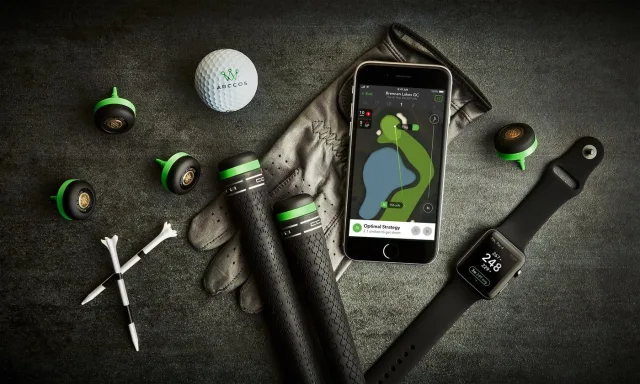
Sensors can be attached to the grip or embedded directly into the club. They track swing speed, club path, face angle, tempo, and impact location. This data is then sent to a mobile app where players can analyze their swings in detail.
What makes this technology appealing is accessibility. Golfers no longer need expensive launch monitors or private lessons to understand what’s happening during their swing. With consistent data tracking, players can identify patterns, fix flaws, and measure improvement over time.
For many golfers, this turns practice into a more engaging and rewarding experience, rather than just hitting balls without clear direction.
Golf Simulators and Virtual Practice
Bringing the Course Indoors
Golf simulators are no longer limited to elite training facilities. Advances in camera systems, radar tracking, and software have made home and commercial simulators more realistic and affordable.
Modern simulators can replicate famous courses around the world with impressive accuracy. They measure ball speed, launch angle, spin rate, and shot shape, then translate that data into a virtual environment. This allows golfers to play full rounds, practice specific shots, or compete with others regardless of weather or location.
For urban golfers or those with limited access to courses, simulators provide a practical way to stay connected to the game year-round.
Improving Skills Through Data
Beyond entertainment, simulators are powerful training tools. Many systems include shot analysis, skill challenges, and detailed performance reports. Golfers can focus on specific areas like driving accuracy or approach shots and track progress over time.
This combination of realism and analytics makes simulators a key part of modern golf training, especially for players who value efficiency in practice.
Wearable Technology and Performance Tracking
Wearable devices are another growing trend in golf technology. Smartwatches and GPS-enabled wearables now offer features designed specifically for golfers.
These devices can provide precise yardages, hazard information, and green layouts directly on the wrist. Some models also track walking distance, heart rate, and calories burned, blending fitness tracking with golf performance.
More advanced wearables analyze tempo and body movement during the swing. By understanding how posture and rotation affect ball striking, golfers gain insights that were previously difficult to measure without specialized equipment.
This type of technology supports a more holistic approach to golf, where physical health and swing mechanics are closely connected.
Artificial Intelligence in Golf Training
Artificial intelligence is starting to play a subtle but important role in modern golf technology trends. AI-powered apps analyze swing data, compare it to thousands of other swings, and offer personalized coaching tips.
Instead of generic advice, golfers receive feedback tailored to their specific tendencies. For example, the system might identify an over-the-top swing pattern and suggest drills designed to correct it.
AI is also being used to analyze course strategy. Some apps recommend club selection and shot placement based on historical performance, wind conditions, and course layout. While skill and feel still matter, data-driven decision-making is becoming a valuable part of the game.
Course Management and Digital Golf Experiences
Technology isn’t just changing how golfers play, but also how they interact with courses. Many golf clubs now use digital platforms for tee time booking, score tracking, and social interaction.
GPS-enabled carts provide real-time yardages and pace-of-play guidance. Mobile apps allow golfers to track scores, analyze rounds, and share results with friends. These features enhance convenience without disrupting the traditional rhythm of the game.
Some courses are even experimenting with augmented reality features that overlay shot information and green contours through mobile devices, offering a glimpse into the future of golf experiences.
The Future of Modern Golf Technology
As technology continues to evolve, the challenge will be maintaining balance. Golf’s appeal lies in its simplicity and mental challenge, and technology works best when it supports those elements rather than overpowering them.
Future innovations are likely to focus on personalization, sustainability, and seamless integration. Equipment may become even more adaptive to individual swing characteristics, while training tools grow smarter and more intuitive.
What’s clear is that modern golf technology trends are not about replacing skill, but enhancing understanding. Golfers who embrace these tools often find the game more enjoyable, more engaging, and ultimately more rewarding.
In the end, whether you’re a weekend player or a serious competitor, technology is opening new ways to learn, improve, and connect with the game, while still honoring the traditions that make golf timeless.