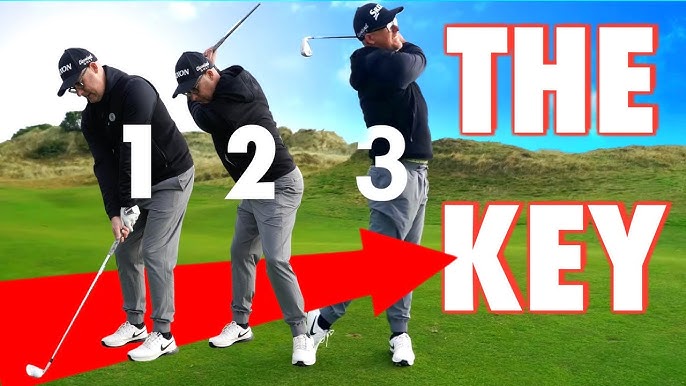
The Art of Perfecting Your Golf Swing – Golf has always been more than just a sport. It is a blend of patience, rhythm, and precision. From weekend players at local courses to professionals competing at the highest level, everyone shares one common goal: achieving the perfect golf swing. If you’ve ever watched legends like Tiger Woods dominate the fairway or admired the smooth tempo of Rory McIlroy, you know that a powerful and consistent swing can completely transform your game.
But perfecting your golf swing is not about copying someone else’s style. It is about understanding the mechanics, training your body, and building confidence. In this guide, we’ll explore the essential elements that help you refine your swing naturally and consistently.
Understanding the Fundamentals of a Great Golf Swing
Before diving into advanced techniques, it’s important to master the basics. A great golf swing starts long before the club moves backward. It begins with your stance, grip, posture, and alignment.
Your grip is the only connection between you and the club. If it’s too tight, your swing becomes stiff and restricted. Too loose, and you lose control. A neutral grip allows flexibility while maintaining stability. Many instructors reference the fundamentals popularized by legendary coach Butch Harmon, who emphasizes balance and simplicity over complicated mechanics.
Posture is equally critical. Bend slightly at the hips, keep your back straight, and let your arms hang naturally. Your knees should be flexed just enough to stay athletic. When your setup is correct, the swing becomes easier and more repeatable.
Alignment is another overlooked factor. Your shoulders, hips, and feet should be parallel to your target line. Even a technically solid swing can send the ball off course if alignment is wrong. Many golfers blame their swing when the real issue lies in poor setup.
Building a Consistent Backswing
The backswing sets the stage for everything that follows. A rushed or overly aggressive backswing often leads to inconsistency. Instead, focus on smooth rotation. Your shoulders should turn fully while your lower body remains stable.
Think of your backswing as loading energy. The more controlled and balanced it is, the more power you can release during the downswing. Watch slow-motion clips of Adam Scott and you’ll notice how fluid and unforced his takeaway looks. There’s no tension, just rhythm.
Avoid lifting the club too steeply or swaying your hips excessively. A compact, controlled backswing improves accuracy and helps maintain balance throughout the motion.
Mastering the Downswing and Impact
If the backswing is about preparation, the downswing is about execution. This is where power and timing come together.
The downswing should begin from the ground up. Your hips initiate the movement, followed by your torso, arms, and finally the club. This sequence generates torque and maximizes clubhead speed. Many amateur golfers make the mistake of starting the downswing with their hands, which often leads to slices or hooks.
Timing is everything. The transition from backswing to downswing must feel smooth, not forced. Practicing tempo drills can dramatically improve your consistency. Some players even count silently in their heads to maintain rhythm.
Impact is the moment of truth. At contact, your weight should shift toward your lead foot, and your hands should be slightly ahead of the ball for iron shots. A solid impact produces that satisfying, crisp sound every golfer loves.
The Importance of Follow-Through
A complete follow-through is a sign of balance and control. Your body should finish facing the target, with most of your weight on the front foot. If you struggle to hold your finish for at least two seconds, it often indicates imbalance earlier in the swing.
The follow-through also influences ball flight. A restricted finish can reduce distance and accuracy. By allowing your body to rotate fully, you ensure that energy transfers efficiently through the ball.
Common Mistakes That Ruin Your Golf Swing
Even experienced players fall into bad habits. One common issue is overthinking mechanics during play. While technical adjustments are helpful during practice, too much mental clutter on the course can harm performance.
Another frequent mistake is trying to swing too hard. Power comes from sequencing and timing, not brute strength. Many golfers gain distance simply by improving technique rather than increasing effort.
Poor weight transfer is also a major problem. If your weight stays on your back foot at impact, shots will often be thin or weak. Practicing simple weight-shift drills can correct this quickly.
Lastly, neglecting physical fitness can limit your swing potential. Flexibility and core strength significantly influence rotation and stability. Incorporating light stretching and rotational exercises into your routine can produce noticeable improvements.
Practice Smarter, Not Harder
Improving your golf swing does not mean spending endless hours hitting balls without direction. Quality practice is far more effective than quantity.
Start each session with a clear goal. Maybe you want to work on tempo, ball contact, or alignment. Focus on one aspect at a time. Recording your swing can also reveal flaws that are difficult to feel in real time.
Many professional players rely on structured practice routines. Observing training sessions of top athletes like Jordan Spieth shows how intentional and disciplined practice leads to consistent results.
Short game practice should not be ignored either. While this article focuses on the full swing, scoring improvement often comes from chipping and putting. A balanced approach builds confidence across every part of your game.
Mental Approach to a Perfect Swing
Golf is as much mental as it is physical. Confidence plays a huge role in executing a smooth swing. Doubt can introduce tension, and tension disrupts rhythm.
Visualization techniques are widely used in competitive golf. Before stepping up to the ball, picture the shot shape and trajectory. This simple habit helps align your body and mind.
Staying present is also essential. Dwelling on a previous bad shot can negatively affect the next one. Focus on the current moment and trust your preparation.
Developing Your Own Swing Identity
It’s easy to get caught up in trying to replicate a tour professional’s swing. However, every golfer has unique body mechanics, flexibility, and natural tempo. The key to perfecting your golf swing lies in refining what works for you.
Some players have fast, aggressive tempos. Others rely on smooth and steady rhythms. Both can be effective when fundamentals are solid. The goal is repeatability. A repeatable swing builds reliability under pressure.
Working with a qualified instructor can accelerate progress, but self-awareness is equally valuable. Pay attention to patterns in your ball flight and adjust accordingly.
Final Thoughts on Perfecting Your Golf Swing
The art of perfecting your golf swing is a journey, not a destination. Even the world’s best players continuously refine their technique. Improvement comes from mastering fundamentals, practicing with intention, and maintaining a positive mindset.
A consistent swing does more than lower your scores. It builds confidence, enhances enjoyment, and deepens your appreciation for the game. Whether you’re playing casually with friends or striving to compete at a higher level, focusing on balance, tempo, and smart practice will always move you closer to your best performance.