Maret 1, 2026

Golf Equipment Reviews – Clubs, Balls & Accessories

Honest golf equipment reviews covering clubs, balls, and accessories to help golf enthusiasts choose the right gear.

Februari 25, 2026 | ppshg

The Best Golf Resorts Around the World

The Best Golf Resorts Around the World

The Best Golf Resorts Around the World – Golf is more than just a sport. For many people, it is a lifestyle that combines relaxation, travel, and the joy of playing in beautiful surroundings. Over the years, golf resorts have become popular destinations for travelers who want more than just a simple round of golf. They offer stunning landscapes, luxury accommodation, excellent service, and unforgettable experiences.

From coastal cliffs to tropical islands and historic countryside locations, the best golf resorts around the world provide the perfect escape for beginners and experienced players alike. Choosing the right golf resort can make a huge difference in your overall experience, especially if you are planning a golf vacation or looking for premium destinations to explore.

Why Golf Resorts Are So Popular

Golf resorts offer something unique compared to regular hotels. They combine high-quality golf courses with luxury amenities, allowing guests to enjoy both sport and relaxation in one place. Many golf resorts are located in scenic areas, such as oceanfront locations, mountains, or peaceful countryside settings. This makes the experience more enjoyable and memorable.

Another reason for their popularity is convenience. Guests can stay close to the course, practice anytime, and enjoy professional facilities without needing to travel far. Most golf resorts also offer training programs, equipment rental, and professional coaching for those who want to improve their skills.

Golf resorts are not only for serious golfers. Many travelers choose these destinations simply to enjoy the peaceful atmosphere, spa services, fine dining, and beautiful views. This combination of comfort and sport makes golf resorts attractive to a wide range of visitors.

Top Golf Resorts in the United States

The United States is home to some of the most famous golf resorts in the world. These resorts are known for their high-quality courses, excellent service, and stunning scenery.

Coastal Golf Experiences

Coastal golf resorts in the United States offer incredible ocean views and fresh sea air. Playing golf near the ocean creates a unique challenge due to wind conditions and natural terrain. Resorts located along the California coast, for example, are famous for their dramatic cliffs and breathtaking sunsets.

Florida is another popular destination for golf lovers. With warm weather throughout the year, it offers ideal conditions for consistent play. Many golf resorts in Florida provide multiple courses, allowing guests to experience different layouts during their stay.

Desert and Mountain Golf Resorts

Desert golf resorts offer a completely different experience. Locations in Arizona and Nevada feature beautiful desert landscapes, clear skies, and well-designed courses surrounded by natural scenery. These resorts are especially popular during winter months when other regions experience cold weather.

Mountain golf resorts, such as those found in Colorado, provide cooler temperatures and incredible views. Playing golf at higher elevations adds an extra challenge and creates a memorable experience for visitors.

Famous Golf Resorts in Europe

Europe offers a rich golfing tradition, with courses that combine history and natural beauty. Many European golf resorts are located near historic towns, allowing visitors to enjoy both culture and sport.

Traditional Golf Destinations

Scotland is widely known as the birthplace of golf, and its golf resorts reflect that legacy. The courses often feature traditional designs with natural terrain, coastal winds, and historic charm. Staying at a golf resort in Scotland allows players to experience the roots of the game while enjoying modern comfort.

Ireland is another top destination, known for its stunning coastal courses. The combination of green landscapes, ocean views, and peaceful surroundings makes it one of the most attractive golf locations in the world.

Luxury Golf Resorts Across Europe

Countries like Spain and Portugal offer luxury golf resorts with warm climates and excellent facilities. These destinations are popular among international travelers who want to combine golf with vacation activities such as beach visits and fine dining.

Portugal’s Algarve region, for example, has become a favorite destination due to its sunny weather, beautiful coastline, and well-maintained courses. Many resorts in this area offer full-service experiences, including accommodation, restaurants, and relaxation facilities.

Golf Resorts in Asia and Tropical Destinations

Asia has quickly become one of the fastest-growing regions for golf tourism. Many countries have invested heavily in building world-class golf resorts that attract players from around the globe.

Golf Resorts in Southeast Asia

Thailand is one of the most popular golf destinations in Asia. Its golf resorts offer affordable luxury, excellent course conditions, and friendly service. Locations such as Phuket and Bangkok provide both urban and tropical golf experiences.

Vietnam has also gained attention in recent years. Its golf resorts are known for modern course designs, beautiful coastal views, and high-quality service. Many travelers are surprised by how impressive and well-maintained these courses are.

Island Golf Resorts

Island golf resorts offer some of the most beautiful golf experiences available. Destinations like Bali and other tropical islands combine golf with beach relaxation. Players can enjoy ocean views, warm weather, and peaceful environments.

These resorts often focus on providing complete vacation experiences, including spa treatments, luxury rooms, and premium dining options. This makes them ideal for both golfers and non-golfing companions.

Caribbean and Oceanfront Golf Resorts

The Caribbean is famous for its tropical beauty, making it an ideal location for golf resorts. Playing golf with ocean views, palm trees, and clear skies creates a relaxing and enjoyable experience.

Many Caribbean golf resorts are designed by professional golfers and course architects, ensuring high-quality layouts and challenging designs. These resorts often include private beaches, luxury villas, and exclusive services.

Destinations such as the Dominican Republic and Jamaica have become popular choices for golf vacations. Visitors can enjoy excellent weather, beautiful scenery, and premium facilities all in one place.

How to Choose the Right Golf Resort

Choosing the right golf resort depends on your personal preferences and travel goals. Some players prefer challenging courses designed for experienced golfers, while others look for relaxing environments suitable for beginners.

Location is an important factor. Coastal resorts offer scenic ocean views, while mountain resorts provide cooler climates and natural landscapes. Tropical resorts offer warm weather and relaxing atmospheres, making them ideal for vacation-style golf trips.

Another important consideration is the quality of accommodation and services. The best golf resorts provide comfortable rooms, professional staff, and well-maintained facilities. Additional features such as spa services, restaurants, and practice areas can enhance your overall experience.

Budget is also something to consider. Some golf resorts offer luxury experiences at premium prices, while others provide more affordable options without sacrificing quality.

The Future of Golf Resorts Worldwide

Golf resorts continue to grow in popularity as more people discover the benefits of combining travel and sport. Modern golf resorts focus not only on the game itself but also on providing complete lifestyle experiences.

New resorts are being developed in emerging destinations, offering fresh opportunities for travelers. Advances in course design, technology, and hospitality services are helping golf resorts deliver better experiences than ever before.

Many resorts are also focusing on sustainability, protecting natural environments while providing high-quality golf facilities. This ensures that future generations can continue to enjoy these beautiful locations.

Final Thoughts

The best golf resorts around the world offer more than just great courses. They provide unforgettable experiences that combine sport, relaxation, and travel. Whether located along coastal cliffs, in tropical islands, or in historic countryside regions, these resorts offer something special for every golfer.

Choosing the right golf resort can turn a simple trip into a memorable adventure. With so many incredible destinations available, golf enthusiasts have endless opportunities to explore new courses and enjoy unique environments.

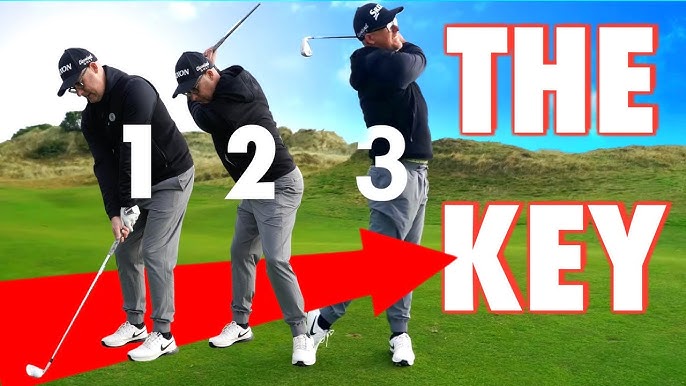
Februari 23, 2026 | ppshg

How Technology is Changing the Golf Experience

How Technology is Changing the Golf Experience

How Technology is Changing the Golf Experience – Golf has always been a sport of precision, patience, and skill. From the lush fairways to the quiet concentration of lining up a perfect putt, it’s a game steeped in tradition. However, in recent years, technology has quietly revolutionized the way people play, learn, and enjoy golf. Today’s golfers aren’t just relying on their swing and intuition—they’re leveraging innovations that make the game smarter, faster, and more accessible than ever.

The Rise of Smart Devices in Golf

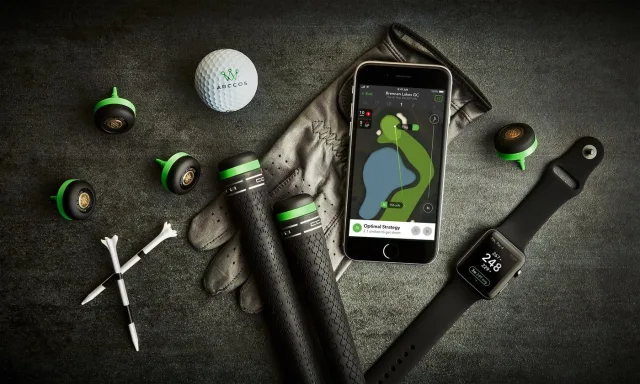
One of the most visible ways technology has changed golf is through smart devices. GPS watches, rangefinders, and golf apps have become standard gear for many players. These tools allow golfers to measure distances, track scores, and even get detailed insights into their swing. With a quick glance at a smartwatch or smartphone, golfers can now see exactly how far they are from the pin, or review data from their last round to improve their performance.

This level of precision changes the way golfers approach every hole. No longer do players have to rely solely on yardage markers or memory. With accurate, real-time data at their fingertips, strategy becomes more scientific and less guesswork. Smart devices also enhance the social aspect of golf, as players can share scores and stats with friends or even participate in online competitions, bringing a new level of engagement to the sport.

Virtual Coaching and Swing Analysis

Golf instruction has traditionally been an in-person experience. But technology has opened doors for virtual coaching that was unimaginable a decade ago. High-speed cameras, motion sensors, and advanced software can now analyze a golfer’s swing with incredible detail. Players receive instant feedback on their posture, swing speed, and club angle, allowing them to make adjustments quickly and effectively.

Apps that offer video analysis or AI-powered swing correction are particularly popular among amateur golfers. They can practice at home, on a driving range, or on the course, and get professional-level insights without scheduling costly lessons. This accessibility not only improves performance but also makes golf more inclusive, appealing to a wider audience.

Indoor Golf and Simulators

Weather, time constraints, or lack of nearby courses used to limit golfing opportunities. Enter indoor golf simulators—an innovation that lets players experience full rounds in the comfort of a controlled environment. These simulators use motion tracking and high-definition screens to replicate the feeling of playing on real courses around the world.

For enthusiasts, this technology is a game-changer. Not only does it allow practice regardless of conditions, but it also provides entertainment value. Friends and families can enjoy a virtual round together, exploring famous courses like St. Andrews or Pebble Beach without ever leaving the city. Indoor golf simulators also provide detailed performance analytics, offering another layer of insight for those serious about improving their game.

Equipment Innovation Through Technology

Technology isn’t just changing how golf is played; it’s changing the equipment itself. Modern golf clubs are designed with advanced materials and precision engineering. Companies now use data from swing analysis to design clubs that optimize distance, control, and feel. Drivers with adjustable lofts, putters with enhanced alignment aids, and golf balls with improved aerodynamics all contribute to better performance on the course.

Even clothing has evolved with technology. Breathable fabrics, moisture-wicking materials, and GPS-enabled shoes are becoming common, ensuring comfort and enhancing focus during play. These innovations, while subtle, collectively improve the golfing experience and allow players to perform at their best.

Mobile Apps and Community Engagement

Apps dedicated to golf have created a community that extends beyond the course. From booking tee times to tracking handicaps, mobile applications simplify every aspect of the game. Players can join local tournaments, participate in global challenges, and compare performance with golfers worldwide.

Social features within apps also encourage engagement. Sharing highlights, personal bests, or progress updates keeps the game interactive and motivates players to improve. This integration of technology into everyday life has made golf more than a weekend pastime—it’s now an ongoing, connected experience.

Enhancing Spectator Experience

Technology isn’t only transforming the player’s perspective; it’s also changing how fans enjoy the game. Live streaming, augmented reality, and real-time statistics bring fans closer to the action than ever before. Spectators can track ball speeds, analyze swings, and follow player stats in real-time, all from their devices.

Major golf tournaments now incorporate these innovations to improve fan engagement. Interactive viewing experiences make it possible for viewers to understand the strategy and skill involved in every shot, bringing excitement and accessibility to audiences who may not be on the course.

The Future of Golf Technology

The pace of innovation in golf shows no signs of slowing down. From AI-driven performance coaching to fully immersive VR experiences, the next decade promises even more ways to enhance both play and enjoyment. Wearable tech might track biometrics to optimize performance, while smart courses could offer real-time adjustments for personalized challenges.

Ultimately, technology is helping golf stay relevant in a digital world. It preserves the essence of the game while adding convenience, insight, and enjoyment for both new and experienced players. Golf is no longer just a game of tradition—it’s evolving into a high-tech sport that can be appreciated in more ways than ever.

Conclusion

Technology has transformed golf from a purely physical challenge into a multidimensional experience. From smart devices and virtual coaching to simulators and data-driven equipment, players have more tools than ever to improve, compete, and enjoy the game. For fans, technology brings the thrill of live play and community interaction to devices worldwide. As these innovations continue, the golf experience will only become richer, more connected, and more exciting.

Golf is no longer just about perfecting your swing; it’s about leveraging technology to make every round smarter, more enjoyable, and more rewarding. Whether you’re a casual player or a competitive enthusiast, embracing these technological changes is the key to fully experiencing the future of golf.

Februari 21, 2026 | ppshg

The Art of Perfecting Your Golf Swing

The Art of Perfecting Your Golf Swing

The Art of Perfecting Your Golf Swing – Golf has always been more than just a sport. It is a blend of patience, rhythm, and precision. From weekend players at local courses to professionals competing at the highest level, everyone shares one common goal: achieving the perfect golf swing. If you’ve ever watched legends like Tiger Woods dominate the fairway or admired the smooth tempo of Rory McIlroy, you know that a powerful and consistent swing can completely transform your game.

But perfecting your golf swing is not about copying someone else’s style. It is about understanding the mechanics, training your body, and building confidence. In this guide, we’ll explore the essential elements that help you refine your swing naturally and consistently.

Understanding the Fundamentals of a Great Golf Swing

Before diving into advanced techniques, it’s important to master the basics. A great golf swing starts long before the club moves backward. It begins with your stance, grip, posture, and alignment.

Your grip is the only connection between you and the club. If it’s too tight, your swing becomes stiff and restricted. Too loose, and you lose control. A neutral grip allows flexibility while maintaining stability. Many instructors reference the fundamentals popularized by legendary coach Butch Harmon, who emphasizes balance and simplicity over complicated mechanics.

Posture is equally critical. Bend slightly at the hips, keep your back straight, and let your arms hang naturally. Your knees should be flexed just enough to stay athletic. When your setup is correct, the swing becomes easier and more repeatable.

Alignment is another overlooked factor. Your shoulders, hips, and feet should be parallel to your target line. Even a technically solid swing can send the ball off course if alignment is wrong. Many golfers blame their swing when the real issue lies in poor setup.

Building a Consistent Backswing

The backswing sets the stage for everything that follows. A rushed or overly aggressive backswing often leads to inconsistency. Instead, focus on smooth rotation. Your shoulders should turn fully while your lower body remains stable.

Think of your backswing as loading energy. The more controlled and balanced it is, the more power you can release during the downswing. Watch slow-motion clips of Adam Scott and you’ll notice how fluid and unforced his takeaway looks. There’s no tension, just rhythm.

Avoid lifting the club too steeply or swaying your hips excessively. A compact, controlled backswing improves accuracy and helps maintain balance throughout the motion.

Mastering the Downswing and Impact

If the backswing is about preparation, the downswing is about execution. This is where power and timing come together.

The downswing should begin from the ground up. Your hips initiate the movement, followed by your torso, arms, and finally the club. This sequence generates torque and maximizes clubhead speed. Many amateur golfers make the mistake of starting the downswing with their hands, which often leads to slices or hooks.

Timing is everything. The transition from backswing to downswing must feel smooth, not forced. Practicing tempo drills can dramatically improve your consistency. Some players even count silently in their heads to maintain rhythm.

Impact is the moment of truth. At contact, your weight should shift toward your lead foot, and your hands should be slightly ahead of the ball for iron shots. A solid impact produces that satisfying, crisp sound every golfer loves.

The Importance of Follow-Through

A complete follow-through is a sign of balance and control. Your body should finish facing the target, with most of your weight on the front foot. If you struggle to hold your finish for at least two seconds, it often indicates imbalance earlier in the swing.

The follow-through also influences ball flight. A restricted finish can reduce distance and accuracy. By allowing your body to rotate fully, you ensure that energy transfers efficiently through the ball.

Common Mistakes That Ruin Your Golf Swing

Even experienced players fall into bad habits. One common issue is overthinking mechanics during play. While technical adjustments are helpful during practice, too much mental clutter on the course can harm performance.

Another frequent mistake is trying to swing too hard. Power comes from sequencing and timing, not brute strength. Many golfers gain distance simply by improving technique rather than increasing effort.

Poor weight transfer is also a major problem. If your weight stays on your back foot at impact, shots will often be thin or weak. Practicing simple weight-shift drills can correct this quickly.

Lastly, neglecting physical fitness can limit your swing potential. Flexibility and core strength significantly influence rotation and stability. Incorporating light stretching and rotational exercises into your routine can produce noticeable improvements.

Practice Smarter, Not Harder

Improving your golf swing does not mean spending endless hours hitting balls without direction. Quality practice is far more effective than quantity.

Start each session with a clear goal. Maybe you want to work on tempo, ball contact, or alignment. Focus on one aspect at a time. Recording your swing can also reveal flaws that are difficult to feel in real time.

Many professional players rely on structured practice routines. Observing training sessions of top athletes like Jordan Spieth shows how intentional and disciplined practice leads to consistent results.

Short game practice should not be ignored either. While this article focuses on the full swing, scoring improvement often comes from chipping and putting. A balanced approach builds confidence across every part of your game.

Mental Approach to a Perfect Swing

Golf is as much mental as it is physical. Confidence plays a huge role in executing a smooth swing. Doubt can introduce tension, and tension disrupts rhythm.

Visualization techniques are widely used in competitive golf. Before stepping up to the ball, picture the shot shape and trajectory. This simple habit helps align your body and mind.

Staying present is also essential. Dwelling on a previous bad shot can negatively affect the next one. Focus on the current moment and trust your preparation.

Developing Your Own Swing Identity

It’s easy to get caught up in trying to replicate a tour professional’s swing. However, every golfer has unique body mechanics, flexibility, and natural tempo. The key to perfecting your golf swing lies in refining what works for you.

Some players have fast, aggressive tempos. Others rely on smooth and steady rhythms. Both can be effective when fundamentals are solid. The goal is repeatability. A repeatable swing builds reliability under pressure.

Working with a qualified instructor can accelerate progress, but self-awareness is equally valuable. Pay attention to patterns in your ball flight and adjust accordingly.

Final Thoughts on Perfecting Your Golf Swing

The art of perfecting your golf swing is a journey, not a destination. Even the world’s best players continuously refine their technique. Improvement comes from mastering fundamentals, practicing with intention, and maintaining a positive mindset.

A consistent swing does more than lower your scores. It builds confidence, enhances enjoyment, and deepens your appreciation for the game. Whether you’re playing casually with friends or striving to compete at a higher level, focusing on balance, tempo, and smart practice will always move you closer to your best performance.

Februari 18, 2026 | ppshg

The Mental Game: Staying Focused on the Course

The Mental Game: Staying Focused on the Course

The Mental Game: Staying Focused on the Course – In golf, people often talk about swing mechanics, club selection, and course management. But ask any seasoned player what truly separates a good round from a great one, and you’ll hear the same answer: the mental game. “The Mental Game: Staying Focused on the Course” isn’t just a catchy phrase. It’s the hidden skill that shapes consistency, confidence, and long-term performance.

While physical technique matters, your mindset determines how well you execute under pressure. A perfect swing means little if your thoughts are scattered. Staying focused on the course is about mastering attention, managing emotions, and maintaining clarity from the first tee to the final putt.

Why Focus Is the Real Competitive Edge

Golf is unique. Unlike fast-paced sports, it gives you time to think. And sometimes, that’s the problem. Between shots, your mind can wander toward past mistakes or future outcomes. That mental drift often leads to tension, rushed decisions, or second-guessing.

Staying focused on the course means narrowing your attention to what matters right now. Not the double bogey you made two holes ago. Not the water hazard waiting on the next fairway. Just the present shot.

Many professionals emphasize this mental discipline. For example, renowned sports psychologist Dr. Bob Rotella, author of “Golf Is Not a Game of Perfect,” highlights the importance of commitment and trust. While you may not play on the PGA Tour, the same principles apply to weekend rounds with friends.

Focus gives you a competitive edge because it keeps your energy directed. When your thoughts are aligned with your goal, your body follows.

Understanding the Mental Game in Golf

The mental game in golf is about emotional control, confidence, and strategic thinking. It’s not about ignoring nerves but managing them. Every golfer feels pressure. The difference lies in how you respond.

Managing Pressure and Expectations

Pressure builds when expectations grow. You might start the round strong and suddenly think about breaking your personal record. Or you’re playing in a local tournament and want to impress your peers. That internal pressure can quietly disrupt your rhythm.

To stay focused on the course, you must reset your expectations hole by hole. Treat each shot as its own event. This mental reset prevents one mistake from turning into several.

A helpful strategy is creating a simple pre-shot routine. It could involve visualizing the shot, taking a deep breath, and committing fully to your target. This routine acts as a mental anchor. No matter what happened before, you return to the same process.

Over time, this habit builds stability. Your confidence grows not because you never make mistakes, but because you know how to recover from them.

The Power of Positive Self-Talk

What you say to yourself matters. Negative thoughts like “Don’t hit it in the bunker” or “I always mess up short putts” shape your actions more than you realize. Your brain tends to focus on the image you create, even if it’s negative.

Instead, replace doubt with clear and constructive language. Tell yourself, “Smooth swing to the center of the fairway” or “Firm stroke to the back of the cup.” This subtle shift changes your mental picture.

Staying focused on the course also means monitoring your inner dialogue. When frustration creeps in, acknowledge it, then redirect your attention to the next shot. The quicker you let go of mistakes, the stronger your mental resilience becomes.

Practical Strategies to Stay Focused on the Course

Mental strength isn’t something you’re born with. It’s trained like any other skill. If you want to improve your focus in golf, start by building habits that support clarity and calmness.

First, limit distractions. Silence your phone. Avoid overanalyzing other players’ performances. Focus on your own pace and routine. Golf is personal. Comparing yourself constantly will only divide your attention.

Second, use breathing techniques. A slow inhale through the nose and a steady exhale can lower your heart rate. This simple act clears mental noise and prepares you for execution. Many athletes across different sports rely on controlled breathing to maintain composure under stress.

Third, break the round into smaller segments. Thinking about all 18 holes at once can feel overwhelming. Instead, treat every three holes as a mini challenge. This approach keeps your mind engaged without becoming overloaded.

Building Confidence Through Preparation

Confidence fuels focus. When you trust your preparation, your mind stays steady. Practice sessions shouldn’t just be about hitting balls aimlessly. They should simulate on-course situations.

Work on different lies, distances, and pressure putts. The more scenarios you experience in practice, the less intimidating they feel during a round. Preparation reduces uncertainty, and reduced uncertainty strengthens focus.

Visualization is another powerful tool. Before you step onto the tee, picture a successful round. Imagine yourself walking confidently, executing controlled swings, and reacting calmly to setbacks. This mental rehearsal conditions your brain for success.

The key is consistency. Just like physical training, mental training requires repetition.

Overcoming Mental Fatigue During a Round

Staying focused on the course becomes harder as the round progresses. Physical fatigue can lead to mental fatigue. By the back nine, small distractions feel bigger. Concentration dips. Decision-making slows.

To counter this, maintain steady energy levels. Hydrate properly. Eat light snacks to stabilize blood sugar. Physical care supports mental clarity.

Equally important is emotional pacing. Don’t celebrate too high after a birdie or dwell too deeply after a bogey. Extreme emotional swings drain energy. Aim for steady composure.

If you feel your focus slipping, pause for a moment before your next shot. Take a breath. Look at your target. Recommit to your routine. These small resets can prevent late-round mistakes.

The Long-Term Benefits of a Strong Mental Game

When you consistently practice staying focused on the course, improvements extend beyond golf. Patience increases. Emotional control strengthens. Decision-making sharpens.

On the course, you’ll notice more consistent scoring. Not necessarily because you’re hitting miraculous shots, but because you’re avoiding unnecessary errors. Fewer mental mistakes mean fewer wasted strokes.

Over time, the game becomes more enjoyable. Instead of battling frustration, you experience flow. You feel present. Each round becomes an opportunity to refine both skill and mindset.

Golf has always been described as a game played between the ears. While equipment and technique evolve, the importance of focus remains constant. Mastering “The Mental Game: Staying Focused on the Course” transforms how you approach every round.

Februari 14, 2026 | ppshg

Golf Enthusiast Lifestyle and Courses in Indonesia

Golf Enthusiast Lifestyle and Courses in Indonesia

Golf Enthusiast Lifestyle and Courses in Indonesia – Indonesia is not only about tropical beaches and vibrant cities. Over the last two decades, the country has quietly become one of Southeast Asia’s most exciting golf destinations. From lush highland fairways to oceanfront greens, the golf enthusiast lifestyle in Indonesia continues to grow, attracting local players, expatriates, and international visitors.

With a warm climate all year round and diverse landscapes, golf courses in Indonesia offer a unique playing experience. Whether you are a weekend golfer or a serious competitor, Indonesia provides the perfect blend of challenging layouts, luxury facilities, and scenic beauty.

The Rise of Golf Culture in Indonesia

Golf in Indonesia has evolved far beyond being just a sport. It is now part of a lifestyle. Business networking, social gatherings, weekend retreats, and even family leisure activities often revolve around the golf course. In major cities like Jakarta, Surabaya, and Bandung, golf clubs have become social hubs for professionals and entrepreneurs.

Corporate tournaments and friendly competitions are common, especially in Jakarta’s elite circles. Many executives see golf as a way to build relationships and conduct informal business discussions. This lifestyle aspect makes golf courses in Indonesia more than just places to play; they are spaces for connection and prestige.

Younger generations are also embracing golf. With modern training facilities, junior programs, and social media influence, the image of golf is shifting from an exclusive sport to a trendy, healthy outdoor activity. Driving ranges in urban areas are now popular hangout spots, especially after work hours.

Top Golf Courses in Indonesia Worth Exploring

Indonesia is home to some of Asia’s most impressive golf courses. Designed by internationally renowned architects, these courses combine strategic challenges with breathtaking views.

Royale Jakarta Golf Club

One of the most prestigious courses in the country is Royale Jakarta Golf Club. Located in East Jakarta, this championship course is known for hosting international tournaments. The layout features wide fairways, well-protected greens, and immaculate maintenance standards.

Royale Jakarta is often praised for its world-class facilities. From elegant locker rooms to fine dining restaurants, the club delivers a premium golf experience. For serious golfers seeking a professional-level challenge, this course is a must-play when visiting Indonesia.

Bali National Golf Club

If you dream of playing golf with ocean views, Bali National Golf Club offers exactly that. Situated in the heart of Nusa Dua, this course combines tropical beauty with strategic bunkering and water hazards.

Golfers visiting Denpasar often include Bali National in their itinerary. The course redesign has elevated its status among the best golf courses in Indonesia. Surrounded by luxury resorts, it perfectly reflects the golf enthusiast lifestyle that blends sport and relaxation.

Damai Indah Golf – BSD Course

Another standout is Damai Indah Golf BSD Course, designed by the legendary Jack Nicklaus. Located in BSD City near Jakarta, this course is famous for its dramatic layout and island-style holes.

The signature holes challenge accuracy and course management, making it popular among experienced players. Damai Indah Golf consistently ranks among the top golf courses in Indonesia and is frequently chosen for prestigious tournaments.

Golf Tourism and Luxury Living

Golf tourism in Indonesia continues to grow steadily. International visitors are drawn not only by affordable green fees compared to neighboring countries but also by the variety of course designs available within short travel distances.

In destinations like Bali and Batam, golf resorts offer stay-and-play packages that combine accommodation, spa treatments, and access to premium golf facilities. This makes Indonesia an attractive choice for golf holidays.

Property developers have also embraced the golf lifestyle concept. Residential areas built around golf courses are increasingly popular. Living near a fairway offers scenic views, fresh air, and exclusive community access. For many upper-middle-class Indonesians, owning a home near a golf course symbolizes success and comfort.

The integration of golf clubs with lifestyle amenities such as fitness centers, swimming pools, and fine dining restaurants strengthens the appeal. It is not just about playing 18 holes; it is about enjoying a complete leisure experience.

Why Golf Courses in Indonesia Stand Out

There are several reasons why golf courses in Indonesia are gaining international recognition. First, the natural landscapes are incredibly diverse. Players can tee off near volcanoes, rice fields, coastal cliffs, or tropical forests. This diversity ensures that no two rounds feel the same.

Second, the climate allows year-round play. While occasional rain showers occur, especially during the wet season, mornings are typically ideal for golf. Many courses maintain excellent drainage systems to ensure minimal disruption.

Third, Indonesian hospitality adds extra value. From caddies who assist with reading greens to attentive clubhouse staff, service standards are generally high. For many foreign golfers, this level of service enhances the overall experience and makes them return.

Course design quality is another key factor. International designers have left their mark across the country, creating layouts that challenge both amateurs and professionals. The combination of strategic bunkering, water hazards, and undulating greens ensures a dynamic game.

Golf as a Social and Healthy Lifestyle

Beyond competition, golf supports a healthy lifestyle. Walking 18 holes can cover several kilometers, promoting cardiovascular fitness and mental well-being. The outdoor setting helps reduce stress, especially for urban residents dealing with hectic work schedules.

In cities like Jakarta, where traffic and business pressures are part of daily life, spending a few hours on the course provides a refreshing escape. Many golfers describe their weekend rounds as therapy.

Golf communities also foster friendships. Regular club events, member tournaments, and social dinners build strong networks. For expatriates living in Indonesia, joining a golf club often becomes an easy way to integrate and build new connections.

The Future of Golf in Indonesia

The future of golf in Indonesia looks promising. As infrastructure improves and tourism continues to grow, more international players are discovering the country’s hidden gems. Government support for sports tourism also contributes to this positive outlook.

New course developments and renovations are expected in the coming years. With increasing demand for premium leisure experiences, golf clubs are investing in better facilities, advanced turf management, and digital booking systems.

At the same time, grassroots programs aim to introduce golf to younger players. Schools and sports academies are beginning to include golf in their extracurricular activities. This effort ensures that the next generation will continue to shape the golf enthusiast lifestyle in Indonesia.

Februari 11, 2026 | ppshg

Royal Games: The Origins of Golf in Kingdoms

Royal Games: The Origins of Golf in Kingdoms

Royal Games: The Origins of Golf in Kingdoms – The story of golf is more than a tale of clubs and courses. It is a journey through royal courts, medieval kingdoms, and windswept landscapes where nobles once gathered to test their skill and status. When we talk about the origins of golf, we are stepping into a world where sport was not only entertainment but also a symbol of prestige and power.

Long before modern tournaments and championship greens, golf was deeply connected to royalty. Kings and queens embraced the game, turning it into one of the most recognized royal games in European history. Understanding the history of golf means exploring the kingdoms that shaped it and the rulers who helped it survive and flourish.

The Medieval Roots of Golf

The early origins of golf can be traced back to medieval Europe. While historians often debate the exact birthplace of the game, Scotland is widely regarded as the true home of modern golf. In the 15th century, records show that a stick-and-ball game similar to golf was already popular among the Scottish people.

Interestingly, golf was not always welcomed with open arms. In 1457, King James II of Scotland famously banned golf because it distracted soldiers from practicing archery, which was considered essential for national defense. This royal ban is one of the earliest documented references in the history of golf. Rather than disappearing, however, the game grew in popularity.

By the time King James IV came to the throne, the royal attitude toward golf had changed dramatically. James IV became an enthusiastic player himself. His passion elevated golf from a casual pastime to a respected royal sport. This shift marked a turning point in the origins of golf within European kingdoms.

Scotland: The Cradle of Royal Golf

Scotland’s coastal landscapes played a crucial role in shaping early golf. The natural dunes and grassy plains, known as “links,” created perfect conditions for the game. These links courses became gathering places for both commoners and nobles.

St Andrews, now known as the “Home of Golf,” began to rise in prominence during this era. As more members of the royal court embraced the game, St Andrews became associated with prestige and tradition. The connection between Scottish royalty and golf cemented the sport’s noble image for centuries to come.

The influence of the Scottish monarchy cannot be overstated. Their support transformed golf into a respected activity across social classes. From village greens to royal estates, golf slowly evolved into one of the most celebrated royal games in Europe.

Golf and the Power of Royal Patronage

Royal patronage played a decisive role in the survival and expansion of golf. When monarchs supported a sport, it gained legitimacy, funding, and visibility. In the case of golf, royal endorsement gave the game a powerful boost.

Mary, Queen of Scots, is another key figure in the history of golf. She was known to play the game during the 16th century, and her involvement helped popularize golf beyond Scotland. When she later lived in France, she introduced elements of the game to the French court. Some historians believe that this cultural exchange influenced similar stick-and-ball games across Europe.

Royal involvement also helped formalize the rules of golf. As the sport became more structured, clubs and societies began to form. The establishment of the Honourable Company of Edinburgh Golfers in 1744 marked a significant milestone. This organization created one of the earliest written sets of golf rules, helping standardize the game.

The development of official rules was a major step in transforming golf from a simple pastime into an organized sport. Without the influence of kingdoms and royal courts, this evolution might have taken much longer.

From Courtly Pastime to Organized Sport

As golf gained popularity among nobles, it gradually spread beyond the royal courts. Merchants, landowners, and military officers began adopting the game. Courses were developed near towns, and local competitions became common.

The role of kingdoms in this transition was subtle but important. When a king or queen embraced golf, it sent a message that the sport was worthy of attention. This cultural approval allowed golf to expand socially and geographically.

By the 18th century, golf had firmly established itself in Scotland and was beginning to reach England and beyond. Royal influence helped shape the sport’s image as refined, disciplined, and honorable. These qualities remain part of golf’s identity today.

The Spread of Golf Across Kingdoms

The origins of golf may be Scottish, but its growth was international. As trade and travel increased, the game crossed borders. British influence, supported by royal prestige, carried golf to colonies and neighboring kingdoms.

In England, the sport gained traction among aristocrats. Exclusive golf clubs began to appear, reflecting the same sense of tradition and hierarchy found in Scottish courses. The royal connection gave the sport an aura of sophistication that appealed to the upper classes.

During the 19th century, the expansion of the British Empire further accelerated the global spread of golf. Courses were established in India, Australia, and North America. In many cases, these early courses were linked to British officials who brought their love of the game overseas.

While the sport gradually became more accessible to the public, its royal roots remained part of its story. Tournaments, club names, and traditions often referenced kings, queens, and historic kingdoms. This heritage helped preserve the narrative of golf as one of the great royal games of history.

The Enduring Legacy of Royal Influence

Even in the modern era, traces of golf’s royal origins are everywhere. The term “Royal” in club names, such as Royal Troon or Royal St George’s, reflects official recognition granted by the British monarchy. This designation continues to symbolize prestige and historical significance.

Major tournaments often take place on courses with deep royal connections. The Open Championship, one of the oldest golf tournaments in the world, is frequently hosted at historic links courses that date back centuries. These events celebrate not only athletic excellence but also the enduring history of golf.

The traditions of etiquette, dress codes, and respect for the game’s heritage can all be linked to its early association with nobility. Golf developed within a culture that valued discipline and honor, qualities reinforced by royal participation.

Why the Origins of Golf Still Matter Today

Understanding the origins of golf in kingdoms gives modern players a deeper appreciation for the sport. Golf is not just about technique or competition; it carries centuries of cultural history.

The story of kings banning and later embracing the game highlights how sports can evolve within society. Royal endorsement transformed golf from a distraction into a national treasure. That transformation shaped the global sport we recognize today.

For enthusiasts and historians alike, the history of golf offers a fascinating glimpse into medieval life, political power, and cultural exchange. From Scottish links to royal courts across Europe, golf’s journey reflects the shifting dynamics of kingdoms and society.

Today, when players step onto a course, they are participating in a tradition that began in the shadow of castles and along rugged coastlines. The fairways may be more polished, and the equipment more advanced, but the spirit of those early royal games remains.

The legacy of golf’s royal beginnings continues to influence its identity. From prestigious tournaments to historic clubs, the connection between golf and kingdoms is still visible. It is this blend of sport, tradition, and noble heritage that makes golf unique among the world’s games.

In the end, the origins of golf are not just about where the game started. They are about how it survived bans, gained royal favor, and spread across continents. The kingdoms that once shaped the sport may have changed, but their impact on golf endures, echoing through every swing and every historic course around the world.

Februari 10, 2026 | ppshg

Golf as a fun and chill lifestyle

Golf as a fun and chill lifestyle

Golf as a fun and chill lifestyle – For a long time, golf has been seen as a serious sport. People often imagine strict dress codes, quiet courses, and players who look more stressed than relaxed. But that image is slowly fading. Today, golf is evolving into something much bigger than a competitive game. It has become a fun, chill lifestyle enjoyed by people from many backgrounds, ages, and professions.

Golf is no longer just about lowering your handicap or winning tournaments. It is about enjoying the moment, spending time outdoors, and finding balance in a fast-paced world. This shift is what makes golf one of the most interesting lifestyle trends right now.

Why Golf Feels Different from Other Sports

A Slower Pace That Fits Modern Life

Unlike high-intensity sports, golf moves at a relaxed rhythm. You walk, you talk, you breathe. There is no rush to score points every minute. This slower pace is exactly what many people need after long hours in front of screens and endless notifications.

Golf gives space to disconnect without fully disconnecting. You can enjoy nature, fresh air, and light physical activity while still socializing. This balance makes golf feel less like exercise and more like a lifestyle choice.

Time to Enjoy the Environment

Golf courses are designed to be beautiful. Green fairways, open skies, trees, and water features create a calming atmosphere. Playing golf feels like stepping into a different world where time slows down naturally.

For many players, the course itself is part of the experience. It is not just about the game, but about being present in a peaceful environment that helps clear the mind.

Golf as a Social Lifestyle

More Than Just a Game

One of the strongest reasons golf has become a lifestyle is its social aspect. Golf is built for conversation. You walk together, wait for turns, and share moments between shots. This makes it perfect for bonding with friends, colleagues, or even new connections.

Business meetings, casual hangouts, and weekend catch-ups all fit easily into a round of golf. It feels natural and unforced, which is why many people prefer golf over noisy cafés or crowded bars.

Community and Belonging

Golf communities are growing, especially among younger players. From local clubs to casual weekend groups, golf creates a sense of belonging. People share stories, tips, laughs, and sometimes frustrations, all on the same course.

This shared experience builds genuine connections. Golfers often talk about how the friendships they build on the course last far beyond the game itself.

The Rise of Casual Golf Culture

Fashion That Reflects Comfort and Style

Golf fashion has changed a lot. Traditional outfits are still there, but now they mix with modern, relaxed styles. Comfortable polos, lightweight pants, stylish caps, and sneakers are becoming more common.

This shift makes golf more approachable. You do not need to look overly formal to enjoy the game. The focus is on comfort, confidence, and personal style, which aligns perfectly with a chill lifestyle.

Golf Without Pressure

Not everyone plays golf to be perfect. Many people play just for fun. Casual rounds, friendly matches, and practice sessions without strict rules are becoming more popular.

This pressure-free approach allows players to enjoy golf at their own pace. Missing a shot does not ruin the day. Instead, it becomes part of the story you laugh about later.

Golf and Mental Wellness

A Natural Stress Reliever

Golf is known for its mental benefits. Being outdoors, walking long distances, and focusing on each shot helps reduce stress. The repetitive motion of swinging the club and the quiet moments between shots create a calming effect.

For many people, golf becomes a form of meditation. It encourages focus, patience, and emotional control, all of which are essential for mental well-being.

Learning to Enjoy the Process

Golf teaches acceptance. You cannot control everything, and not every shot will go as planned. This lesson easily translates into daily life.

By learning to enjoy the process rather than obsess over results, players often develop a healthier mindset. This is one reason golf fits so well into a balanced lifestyle.

Golf as a Weekend Ritual

Escaping the Routine

Many players treat golf as a weekend escape. It is a reason to wake up early, go somewhere green, and step away from routine responsibilities. Even a short round can feel like a mini vacation.

This ritual adds structure to free time without feeling demanding. It becomes something to look forward to, not something that feels like an obligation.

Blending Leisure and Activity

Golf sits perfectly between relaxation and activity. You move your body, but you also rest. You focus, but you also unwind. This balance makes it ideal for people who want to stay active without intense workouts.

It is a lifestyle choice that supports both physical health and emotional balance.

Why Golf Lifestyle Keeps Growing

Accessible for All Ages

Golf is one of the few sports that truly works for all ages. Younger players enjoy the social and lifestyle aspects, while older players appreciate the low-impact movement and strategic challenge.

This wide appeal keeps golf relevant and growing. It adapts easily to different stages of life, which is rare in the sports world.

A Sport That Grows With You

As skills improve, the experience of golf changes. Beginners enjoy learning, casual players enjoy consistency, and experienced golfers enjoy refinement. There is always something new to explore.

This long-term relationship with the game is what transforms golf from a hobby into a lifestyle.

Golf Is No Longer Just a Sport

Golf today is about more than competition. It is about enjoying time, space, and connection. It offers a calm escape without isolation and social interaction without pressure. This balance is exactly why golf fits so well into a fun and chill lifestyle.

Whether played seriously or casually, golf creates moments that feel meaningful and relaxed at the same time. It is not just a game you play. It is an experience you live, one round at a time.

Februari 6, 2026 | ppshg

Modern Golf Technology Trends

Modern Golf Technology Trends

Modern Golf Technology Trends – Golf has always been a sport that respects tradition, but in recent years, technology has quietly transformed how the game is played, practiced, and even enjoyed. From smarter golf clubs to advanced data tracking and immersive training tools, modern golf technology trends are reshaping the experience for amateurs and professionals alike.

What makes this evolution interesting is how seamlessly technology blends into the sport. It doesn’t remove the skill or feel of golf, but instead enhances decision-making, consistency, and performance. Let’s explore how innovation is redefining modern golf in a way that still feels authentic.

The Evolution of Golf Equipment Technology

Golf equipment has come a long way from simple wooden clubs and basic steel shafts. Today, manufacturers invest heavily in research and development to optimize every element of a golf club.

Modern drivers now use advanced materials like titanium alloys and carbon composites to create lighter clubheads with higher moment of inertia. This allows golfers to generate more distance while maintaining control, even on off-center hits. Adjustable hosels and movable weights also give players the ability to fine-tune loft, lie angle, and spin rate based on their swing style.

Irons and wedges have also benefited from technological innovation. Precision milling on clubfaces improves spin control, while multi-material construction helps distribute weight more efficiently. The result is better forgiveness without sacrificing feel, something golfers at all skill levels appreciate.

Golf balls, often overlooked, are another area where technology plays a huge role. Multi-layer designs allow manufacturers to balance distance, spin, and control. Some modern balls are even engineered to perform differently depending on swing speed, making them more adaptable for recreational players.

Smart Golf Clubs and Sensors

One of the biggest modern golf technology trends is the rise of smart golf clubs and swing sensors. These devices provide real-time feedback that was once only available through professional coaching sessions.

Sensors can be attached to the grip or embedded directly into the club. They track swing speed, club path, face angle, tempo, and impact location. This data is then sent to a mobile app where players can analyze their swings in detail.

What makes this technology appealing is accessibility. Golfers no longer need expensive launch monitors or private lessons to understand what’s happening during their swing. With consistent data tracking, players can identify patterns, fix flaws, and measure improvement over time.

For many golfers, this turns practice into a more engaging and rewarding experience, rather than just hitting balls without clear direction.

Golf Simulators and Virtual Practice

Bringing the Course Indoors

Golf simulators are no longer limited to elite training facilities. Advances in camera systems, radar tracking, and software have made home and commercial simulators more realistic and affordable.

Modern simulators can replicate famous courses around the world with impressive accuracy. They measure ball speed, launch angle, spin rate, and shot shape, then translate that data into a virtual environment. This allows golfers to play full rounds, practice specific shots, or compete with others regardless of weather or location.

For urban golfers or those with limited access to courses, simulators provide a practical way to stay connected to the game year-round.

Improving Skills Through Data

Beyond entertainment, simulators are powerful training tools. Many systems include shot analysis, skill challenges, and detailed performance reports. Golfers can focus on specific areas like driving accuracy or approach shots and track progress over time.

This combination of realism and analytics makes simulators a key part of modern golf training, especially for players who value efficiency in practice.

Wearable Technology and Performance Tracking

Wearable devices are another growing trend in golf technology. Smartwatches and GPS-enabled wearables now offer features designed specifically for golfers.

These devices can provide precise yardages, hazard information, and green layouts directly on the wrist. Some models also track walking distance, heart rate, and calories burned, blending fitness tracking with golf performance.

More advanced wearables analyze tempo and body movement during the swing. By understanding how posture and rotation affect ball striking, golfers gain insights that were previously difficult to measure without specialized equipment.

This type of technology supports a more holistic approach to golf, where physical health and swing mechanics are closely connected.

Artificial Intelligence in Golf Training

Artificial intelligence is starting to play a subtle but important role in modern golf technology trends. AI-powered apps analyze swing data, compare it to thousands of other swings, and offer personalized coaching tips.

Instead of generic advice, golfers receive feedback tailored to their specific tendencies. For example, the system might identify an over-the-top swing pattern and suggest drills designed to correct it.

AI is also being used to analyze course strategy. Some apps recommend club selection and shot placement based on historical performance, wind conditions, and course layout. While skill and feel still matter, data-driven decision-making is becoming a valuable part of the game.

Course Management and Digital Golf Experiences

Technology isn’t just changing how golfers play, but also how they interact with courses. Many golf clubs now use digital platforms for tee time booking, score tracking, and social interaction.

GPS-enabled carts provide real-time yardages and pace-of-play guidance. Mobile apps allow golfers to track scores, analyze rounds, and share results with friends. These features enhance convenience without disrupting the traditional rhythm of the game.

Some courses are even experimenting with augmented reality features that overlay shot information and green contours through mobile devices, offering a glimpse into the future of golf experiences.

The Future of Modern Golf Technology

As technology continues to evolve, the challenge will be maintaining balance. Golf’s appeal lies in its simplicity and mental challenge, and technology works best when it supports those elements rather than overpowering them.

Future innovations are likely to focus on personalization, sustainability, and seamless integration. Equipment may become even more adaptive to individual swing characteristics, while training tools grow smarter and more intuitive.

What’s clear is that modern golf technology trends are not about replacing skill, but enhancing understanding. Golfers who embrace these tools often find the game more enjoyable, more engaging, and ultimately more rewarding.

In the end, whether you’re a weekend player or a serious competitor, technology is opening new ways to learn, improve, and connect with the game, while still honoring the traditions that make golf timeless.

Februari 5, 2026 | ppshg

Golf Courses Where Players Never Felt Alone

Golf Courses Where Players Never Felt Alone

Golf Courses Where Players Never Felt Alone – Golf has always been more than just a game—it’s a personal journey. Some courses are known for their challenging terrain or breathtaking views, while others have a unique charm that makes you feel accompanied, even when you’re swinging alone. For golfers who cherish a sense of companionship—whether from fellow players, wildlife, or the environment itself—certain courses around the world offer an experience that goes beyond the ordinary.

The Magic of Feeling Connected on the Green

Walking onto a golf course can be a solitary experience. The quiet hum of nature, the distant thwack of a driver, and the rhythm of your own footsteps often create a meditative atmosphere. Yet, on some courses, there’s an undeniable feeling that you’re never truly alone. It might come from friendly caddies who share stories, local wildlife that seems to watch your swing, or the community of players who greet each other warmly at every hole.

This subtle sense of companionship can transform your round into something unforgettable. It’s not just about the score—it’s about feeling part of something larger, a living, breathing space where the game comes alive.

Courses That Invite Connection

Certain golf courses around the world are famous for this experience. These are not just destinations for the pros; they’re havens for anyone who enjoys the quiet company of the course itself.

Pebble Beach Golf Links, California

Pebble Beach isn’t just famous for its scenic ocean views. Walk along the cliffs, and the Pacific breeze seems to whisper encouragement. Gulls and pelicans glide overhead, occasionally stealing the spotlight, while the course staff and fellow golfers offer friendly nods and smiles. Even when you’re swinging alone, the course’s natural rhythm makes it feel as if you’re sharing the round with a network of unseen friends.

St Andrews Links, Scotland

Known as “The Home of Golf,” St Andrews carries a rich history that almost hums with companionship. Golfers from around the globe wander its fairways, each step connecting you to centuries of players who came before. The locals, often eager to share tips or a friendly word, make the course feel welcoming and alive. It’s a place where solitude and camaraderie coexist beautifully.

Augusta National Golf Club, Georgia

Augusta National is synonymous with prestige, but there’s a quiet warmth that often surprises first-time visitors. The meticulous care of the grounds and the presence of experienced caddies make every swing feel guided, every hole observed. There’s a subtle presence here that reassures players—they are not alone in their pursuit of excellence.

Nature as Your Companion

Some of the most unforgettable golf experiences don’t come from human interaction—they come from nature itself. Courses designed to embrace the natural landscape allow players to feel accompanied by the environment. Birds, deer, and even gentle streams become part of your journey, turning solitude into a comforting experience.

Whistling Straits, Wisconsin

Whistling Straits is a marvel for those who appreciate rugged landscapes. Wind sweeps across the course, carrying the whispers of the lake nearby. While you navigate the dramatic dunes and rolling greens, the scenery itself seems to guide you. Every rustling leaf or distant birdcall becomes a subtle reminder that you’re never truly alone on the course.

Royal County Down, Northern Ireland

With its towering mountains and sweeping views of the Irish Sea, Royal County Down immerses golfers in a landscape that feels alive. As you play, the sound of waves and the occasional sheep grazing nearby create a sense of gentle companionship. It’s a course where nature is not just a backdrop but a constant presence, turning every solo round into a shared experience.

The Role of Community and Culture

Beyond wildlife and scenery, the culture of a golf course often shapes how accompanied players feel. Clubs that emphasize camaraderie and shared experiences can transform a solitary sport into a community event.

Friendly Clubs and Open Courses

In many smaller towns and local clubs, players greet each other by name. They share stories, offer tips, and celebrate each good shot together. Courses like these turn every game into a social experience, ensuring that no golfer feels isolated. Even casual interactions on the fairway or in the clubhouse contribute to a sense of belonging.

Tournaments That Inspire Connection

Large tournaments often foster unique connections. Watching or playing alongside skilled golfers, sharing the tension of a tricky hole, or celebrating a birdie collectively creates a sense of unity. These moments remind players that golf, despite its individual nature, is inherently social. Courses that host annual competitions often have this invisible thread connecting every participant, making solitude almost impossible.

Creating Your Own Feeling of Companionship

Even if you don’t have access to famous courses or prestigious clubs, it’s possible to feel accompanied on any fairway. Simple practices like playing with a regular group, hiring a local caddy, or paying attention to the natural surroundings can transform a round. Listening to birds, observing the wind patterns, or just noticing the unique features of a course can make every game feel enriched with silent companionship.

Embracing Mindfulness on the Course

Golf can be a mindful activity, almost like a moving meditation. By focusing on your surroundings—the gentle sway of trees, the sound of your own swing, the changing light—you invite a sense of connection. Mindfulness transforms solitude into an experience where you feel guided and observed, even when no one else is present.

Sharing Experiences With Others

While solo rounds have their charm, sharing your love of golf with others enhances the feeling of connection. Post-round conversations, casual tips, or even shared laughter over a missed putt can make a course feel alive. It’s this balance between solitary reflection and social interaction that gives certain courses their unique sense of companionship.

Conclusion: The Invisible Company on the Fairway

Golf courses where players never felt alone combine natural beauty, thoughtful design, and community spirit. Whether it’s the call of a seagull on a California cliff, the echoes of history in Scotland, or the gentle guidance of a caddy in Georgia, these experiences make every swing feel shared.

Feeling accompanied on the course isn’t about constant human interaction—it’s about connection. Connection to the land, to fellow players, to the rhythm of the game, and to the history of the sport itself. For golfers seeking more than just a score, these courses offer an unforgettable sense of company, even in moments of perfect solitude.

Playing golf on such courses reminds us that we are never truly alone when we are fully present, open to our surroundings, and connected to the game we love.

Februari 2, 2026 | ppshg

Golf Lifestyle Tips for Players Who Love the Game

Golf Lifestyle Tips for Players Who Love the Game

Golf Lifestyle Tips for Players Who Love the Game – Golf is more than a sport. For many players, it becomes a lifestyle that shapes daily routines, social circles, travel choices, and even personal mindset. From early morning tee times to quiet afternoons at the driving range, golf offers a unique balance of competition, relaxation, and personal growth. If you truly love the game, embracing a golf-centered lifestyle can make every round more meaningful and enjoyable.

This article explores practical golf lifestyle tips that go beyond technique. These insights help players stay consistent, motivated, and connected to the game both on and off the course.

Building a Daily Golf-Oriented Routine

A strong golf lifestyle starts with small daily habits. You do not need to be on the course every day to live like a golfer. What matters is keeping the game present in your routine.

Many passionate golfers begin their day with light stretching or mobility exercises inspired by golf movements. This helps maintain flexibility and reduces the risk of injury during long rounds. Simple rotations, hip mobility drills, and shoulder stretches can make a noticeable difference in swing consistency.

Mental preparation is just as important. Reading golf articles, watching tournament highlights, or reviewing swing notes helps keep the game fresh in your mind. Even ten minutes a day can strengthen your connection to golf and improve focus when you finally step onto the course.

Dressing the Part Without Overdoing It

Golf fashion has evolved into a blend of comfort, performance, and casual elegance. A golf lifestyle does not mean wearing full gear everywhere, but incorporating subtle golf-inspired clothing into everyday wear creates a natural connection to the sport.

Breathable polos, lightweight pants, and comfortable shoes are practical beyond the course. Choosing neutral colors and clean designs allows you to move easily from the clubhouse to social settings. Quality matters more than quantity, as durable apparel reflects the disciplined mindset of a golfer.

Feeling comfortable and confident in what you wear often translates into better performance and a stronger personal identity as a player.

Staying Fit for Golf Performance

Functional Fitness for Golfers

Golf may appear low-impact, but it demands coordination, balance, and endurance. A golf-focused fitness approach emphasizes functional strength rather than extreme muscle building.

Core stability plays a crucial role in generating power and control. Exercises that improve balance and rotational strength support a smoother swing and reduce fatigue during long rounds. Consistency is key, as short but regular workouts deliver better results than occasional intense sessions.

Recovery as Part of the Lifestyle

Recovery is often overlooked, yet it defines how long you can enjoy the game. Hydration, proper sleep, and light recovery exercises help the body reset after a round. Golfers who respect recovery tend to stay injury-free and enjoy more consistent performance over time.

Nutrition That Supports Long Rounds

A true golf lifestyle includes mindful eating. Golf rounds can last several hours, and energy levels directly affect focus and decision-making.

Balanced meals with lean protein, complex carbohydrates, and healthy fats provide sustained energy. Many golfers benefit from lighter meals before tee time to avoid sluggishness. Small snacks during the round help maintain concentration, especially in the later holes.

Drinking enough water is essential, particularly in warm conditions. Staying hydrated improves mental clarity and physical coordination, which are critical elements of successful golf.

Mental Discipline On and Off the Course

Developing a Golfer’s Mindset

Golf is a mental game as much as a physical one. Players who embrace the lifestyle understand the importance of patience and emotional control.

Accepting bad shots without frustration builds resilience. Each round becomes a learning experience rather than a test of perfection. This mindset often carries over into daily life, improving stress management and decision-making.

Visualization techniques are commonly used by experienced golfers. Imagining shots before executing them strengthens confidence and reduces hesitation.

Disconnecting to Stay Focused

Ironically, loving golf also means knowing when to step away mentally. Constant overthinking can harm performance. Taking breaks from analysis and simply enjoying the game helps restore balance.

Walking the course, appreciating nature, and enjoying quiet moments between shots create a deeper connection to golf as a lifestyle rather than a competition.

Social Connections Through Golf

Golf naturally builds relationships. Whether through casual weekend rounds or club events, the sport creates opportunities to meet like-minded people.

Playing with different partners exposes you to new styles, strategies, and perspectives. Conversations during a round often go beyond golf, strengthening friendships and professional connections.

A strong golf lifestyle values etiquette and respect. Simple actions such as punctuality, honesty, and encouragement contribute to a positive playing environment and lasting relationships.

Traveling With a Golf Mindset

For many players, travel becomes an extension of their love for the game. Planning trips around golf destinations adds excitement and purpose to vacations.

Researching courses, understanding local playing conditions, and respecting regional golf culture enhance the experience. Even non-golf days can revolve around relaxation and preparation for upcoming rounds.

Traveling golfers often gain a broader appreciation for the game by experiencing different course designs and playing styles.

Continuous Learning and Improvement

Learning Beyond the Scorecard

Golfers who truly love the game never stop learning. Improvement does not always mean lowering scores. Understanding course management, refining short game touch, and learning new practice methods all contribute to long-term enjoyment.

Watching professional tournaments with a critical eye helps players understand strategy rather than just results. Reading books and articles about golf philosophy adds depth to the experience.

Practicing With Purpose

Practice sessions become more effective when approached with intention. Instead of hitting balls aimlessly, focusing on specific goals keeps improvement steady. Short, focused practices often yield better results than long unfocused ones.

A golf lifestyle values quality practice over quantity, aligning effort with clear objectives.

Making Golf a Sustainable Passion

The key to a lasting golf lifestyle is balance. Loving the game does not require obsession. It requires respect for your body, your time, and the joy that golf brings.

Players who maintain this balance tend to enjoy golf for decades. They appreciate improvement but also accept limitations. Each round becomes an opportunity to relax, challenge oneself, and reconnect with the game.

Golf is not just something you play. It is something you live. By integrating healthy habits, mental discipline, social connection, and continuous learning, golf becomes a lifestyle that enhances both performance and personal well-being.

Januari 30, 2026 | ppshg

Essential Tips Every Golf Enthusiast Must Master

Essential Tips Every Golf Enthusiast Must Master

Essential Tips Every Golf Enthusiast Must Master – Golf is more than just a sport; it is a lifelong skill that rewards patience, consistency, and smart decision-making. Whether you are a weekend golfer or someone aiming to improve your handicap, mastering the fundamentals is what separates casual players from confident ones. Many golfers focus too much on distance or equipment, but true improvement comes from understanding the core elements of the game and applying them consistently.

This guide covers essential golf tips every enthusiast must master, focusing on technique, mindset, and course management to help you play smarter and enjoy the game more.

Understanding the Basics of a Solid Golf Foundation

Before chasing advanced shots or complex strategies, every golfer needs a strong foundation. The basics may seem simple, but they are often the most overlooked.

Grip, Stance, and Posture Matter More Than You Think

A proper grip is the starting point of every successful swing. Holding the club too tightly can limit flexibility, while a grip that is too loose reduces control. The goal is balance and comfort, allowing the clubface to stay square through impact.

Stance and posture play an equally important role. Your feet should be shoulder-width apart, knees slightly bent, and spine tilted forward naturally. Good posture helps maintain balance and improves swing consistency, reducing the risk of slicing or hooking the ball.

Mastering these fundamentals creates a repeatable swing that holds up under pressure.

Developing a Consistent Golf Swing

Many golfers struggle with inconsistency, hitting great shots one moment and poor ones the next. Consistency comes from rhythm, not power.

Focus on Tempo Instead of Strength

One of the most important golf tips is to stop overswinging. A smooth, controlled tempo produces better results than trying to hit the ball as hard as possible. Power comes naturally when the swing sequence is correct.

By focusing on rhythm and timing, golfers can generate distance without sacrificing accuracy. Practicing half swings is a great way to build muscle memory and develop a reliable motion.

Smart Course Management for Lower Scores

Golf is a mental game as much as a physical one. Smart decisions on the course often matter more than perfect technique.

Play the Percentage Shot

Instead of always aiming for the pin, choose safer targets that reduce risk. Avoid hazards when possible and accept that sometimes a par is better than a risky birdie attempt. Professional golfers excel because they minimize mistakes, not because they hit miraculous shots every hole.

Understanding your own strengths and limitations helps you choose shots that match your skill level, leading to more consistent scoring.

Mastering the Short Game

The short game is where most strokes are won or lost. Improving this area can dramatically lower your scores.

Chipping and Putting Build Confidence

Chipping requires touch, not force. A controlled, pendulum-style motion helps maintain distance control around the greens. Keeping the wrists quiet and letting the club do the work leads to cleaner contact.

Putting is all about feel and alignment. Practicing distance control and reading greens correctly can turn three-putts into confident two-putts. Many golfers underestimate how much time they should spend on the putting green, even though it accounts for nearly half of all strokes.

Mental Toughness and Focus on the Course

Golf challenges the mind like few other sports. Staying calm and focused is essential, especially after a bad shot.

Learn to Reset After Mistakes

Every golfer hits bad shots, even professionals. The difference is how quickly they recover mentally. Dwelling on mistakes leads to tension and poor decision-making on the next shot.

Developing a simple pre-shot routine helps maintain focus and confidence. This routine creates consistency and allows you to approach each shot with a clear mind, regardless of what happened previously.

Choosing the Right Equipment for Your Game

While skill matters more than gear, using equipment suited to your ability can make a noticeable difference.

Clubs Should Match Your Swing, Not Trends

Many golfers use clubs that are too stiff or advanced for their swing speed. Properly fitted clubs improve accuracy, distance, and comfort. Beginners and intermediate players often benefit from forgiving club designs that reduce mishits.

The right golf ball also matters. Softer balls offer better control around the greens, while firmer balls provide more distance. Choosing equipment that complements your style helps you play more confidently.

Practice with Purpose, Not Just Repetition

Mindless practice rarely leads to improvement. Effective practice has a clear goal and structure.

Quality Practice Beats Long Sessions

Short, focused practice sessions are often more productive than hours of unfocused hitting. Working on specific aspects, such as alignment, distance control, or bunker shots, leads to measurable progress.

Tracking your performance during practice can help identify weaknesses and guide future sessions. Improvement happens faster when practice mimics real course situations.

Enjoying the Game While Improving

Golf is a game meant to be enjoyed. While improvement is important, enjoyment should always come first.

Balancing competitive goals with appreciation for the game keeps motivation high. Walking the course, playing with friends, and celebrating small improvements make golf rewarding at every level.

Final Thoughts on Becoming a Better Golf Enthusiast

Mastering golf is a journey, not a destination. By focusing on fundamentals, making smarter decisions, improving the short game, and strengthening mental focus, any golfer can elevate their performance. These essential tips provide a strong foundation for consistent improvement and long-term enjoyment.

Golf rewards patience and discipline, but it also offers endless opportunities to learn and grow. With the right mindset and approach, every round becomes a chance to play better than the last.

Januari 25, 2026 | ppshg

Inside the Mind of a True Golf Enthusiast

Inside the Mind of a True Golf Enthusiast

Inside the Mind of a True Golf Enthusiast – Golf is more than a sport. For a true golf enthusiast, it becomes a way of thinking, a personal rhythm, and sometimes even a quiet obsession. From the early morning tee times to the endless discussions about swing mechanics, golf lives rent-free in their mind. Understanding what drives a real golf lover helps explain why this game, often seen as slow or traditional, has such a loyal and passionate following around the world.

This article takes a deeper look into the mindset of a genuine golf enthusiast and why golf holds such a powerful grip on their daily life.

The Emotional Connection to Golf

Golf as a Personal Journey

A true golf enthusiast rarely sees golf as just competition. For them, it is a personal journey filled with small victories and constant self-reflection. Every round tells a story. A great shot brings satisfaction, while a poor swing becomes a lesson rather than a failure.

Unlike many fast-paced sports, golf allows space for thought. Enthusiasts enjoy that quiet moment before a swing, where focus, patience, and confidence collide. That emotional connection is one reason many golfers stay loyal to the game for decades.

The Love for the Challenge

Golf is brutally honest. The ball does exactly what the swing tells it to do. This reality is both frustrating and addictive. A true golf enthusiast loves this challenge. They understand that perfection is impossible, but improvement is always within reach.

Each round becomes a puzzle. Wind, terrain, club selection, and mental state all play a role. Solving that puzzle, even partially, is what keeps enthusiasts coming back week after week.

The Mental Side of a Golf Enthusiast

Obsession with Improvement

Inside the mind of a golf enthusiast, there is always room for improvement. They think about grip pressure while driving to work. They replay swings in their head before sleeping. Improvement does not always mean lowering scores; sometimes it is simply hitting one pure iron shot after a bad round.

Practice is rarely forced. True enthusiasts enjoy the process, whether it is spending time at the driving range or experimenting with putting drills at home.

Respect for Discipline and Patience

Golf teaches patience better than most sports. A single bad hole should not ruin an entire round, and enthusiasts know this well. They learn to control emotions, reset their mindset, and focus on the next shot.

This discipline often carries over into everyday life. Many golf enthusiasts appreciate routines, preparation, and long-term progress. The game quietly shapes how they think beyond the course.

Equipment and the Never-Ending Curiosity

More Than Just Clubs

To an outsider, golf equipment may look simple. To an enthusiast, it is a world of endless curiosity. Shafts, loft angles, grips, and ball compression are not just technical terms; they are tools for self-expression.

True golf enthusiasts love testing new equipment, even if it does not always improve their score. The process of discovery is part of the fun. They understand that the right club can boost confidence as much as performance.

The Ritual of Preparation

Cleaning clubs, checking gloves, organizing the golf bag — these small rituals matter. They create a sense of readiness and respect for the game. For enthusiasts, preparation is calming and satisfying.

This attention to detail reflects how deeply golf is embedded in their mindset.

The Social Side of Golf Enthusiasm

Building Bonds on the Course

Golf has a unique social rhythm. Long rounds create space for conversation, silence, and shared experiences. True golf enthusiasts value this deeply. Many friendships are built during four-hour walks across fairways.

Whether playing with close friends or strangers, golf creates instant connection. Shared struggles and great shots break down barriers quickly.

Respect for Tradition and Etiquette

A real golf enthusiast respects the traditions of the game. Etiquette is not seen as outdated but essential. Fixing divots, raking bunkers, and staying quiet during a swing are signs of respect for fellow players and the course itself.

This respect for tradition adds depth to the experience and keeps the spirit of golf alive across generations.

Why Golf Becomes a Lifestyle

Golf Beyond the Course

For true enthusiasts, golf does not end after the 18th hole. They watch tournaments, read golf news, follow players, and analyze swings online. Golf content becomes part of their daily routine.

Even casual moments can spark golf thoughts. A strong breeze might remind them of a difficult approach shot. A perfectly trimmed lawn can resemble a fairway. Golf becomes a lens through which they see the world.

The Escape Factor

Golf offers something rare: mental escape. During a round, worries fade into the background. Focus shifts entirely to the next shot. This sense of presence is powerful, especially in a busy modern world.

Many enthusiasts see golf as therapy. The walk, the green surroundings, and the focus required create a unique sense of calm.

The True Meaning of Being a Golf Enthusiast

It Is Not About Skill Level

Being a true golf enthusiast has little to do with handicap. Some enthusiasts break 80 regularly, others struggle to break 100. What matters is passion, curiosity, and respect for the game.

They show up even after bad rounds. They stay curious even when progress feels slow. That mindset defines them more than any scorecard ever could.

A Lifelong Relationship with the Game

Golf is one of the few sports that welcomes players for life. True enthusiasts appreciate this. They know the game will evolve with them, changing pace and goals over time.

Inside the mind of a true golf enthusiast lives patience, passion, and a quiet love for constant improvement. Golf is not just something they play; it is something they live.

Januari 23, 2026 | ppshg

Everything Golf Lovers Need to Know and Enjoy

Everything Golf Lovers Need to Know and Enjoy

Everything Golf Lovers Need to Know and Enjoy – Golf is more than just a sport; it’s a lifestyle. For those who have embraced the game, there’s a whole world of experiences, equipment, and knowledge waiting to be discovered. Whether you are a seasoned golfer or someone just picking up the club, understanding the essentials of golf can transform your enjoyment of the game. This guide is designed to cover everything a golf lover might want to know, from courses and equipment to tips for improving your game and enjoying golf to the fullest.

The Appeal of Golf

Golf is unique because it combines physical skill with mental strategy. Unlike many other sports, it allows for moments of personal reflection, time spent outdoors, and social interaction all at once. Walking a course, feeling the sun, and taking in the landscape can make the experience as enjoyable as the competition itself. Golf appeals to people of all ages and abilities, making it a sport that can truly be enjoyed for a lifetime.

Why People Fall in Love with Golf

One reason golf is so captivating is its accessibility. You don’t need extreme strength or speed to play well, but mastering the technique takes patience and practice. Each swing, each putt, and each shot offers a chance to improve. Golf also offers a sense of calm and focus. Many players describe a round of golf as therapeutic—a way to escape the stress of everyday life while still challenging yourself.

Understanding Golf Equipment

Having the right equipment can make a huge difference in your game. Beginners might feel overwhelmed by the variety of clubs, balls, and accessories, but it doesn’t have to be complicated. Understanding the essentials will help you make better choices and enjoy the game more.

Golf Clubs

Golf clubs are divided into three main categories: woods, irons, and putters. Woods are used for long-distance shots, usually from the tee or fairway. Irons are versatile clubs used for a variety of distances and situations. Putters are designed for use on the green, helping you sink the ball with precision. Choosing clubs that match your skill level and swing style is essential for improving your performance.

Golf Balls

Golf balls may seem simple, but they can affect your game more than you might think. Balls differ in compression, spin, and cover material. Beginners often benefit from balls that prioritize distance and forgiveness, while more experienced players may prefer balls that offer better control and spin around the green.

Golf Accessories

While clubs and balls are the foundation, accessories like gloves, tees, and rangefinders can enhance your experience. A golf glove can improve grip and prevent blisters, while a rangefinder can help you measure distances accurately. Even small additions like proper shoes can make a round more comfortable and enjoyable.

Finding the Right Golf Course

One of the joys of golf is exploring different courses. Each course offers a unique challenge, scenery, and experience. Choosing the right course depends on your skill level, location, and the type of experience you want.

Public vs. Private Courses

Public courses are open to anyone and often provide a friendly environment for beginners. They are generally more affordable and easier to access. Private courses, on the other hand, offer exclusive memberships, high-quality facilities, and sometimes more challenging layouts. Both types of courses have their benefits, so the best choice depends on your goals and preferences.

Course Etiquette

Golf has a strong culture of etiquette. Respecting other players, maintaining pace of play, and taking care of the course are essential for a pleasant experience. Simple gestures like repairing ball marks on greens or raking bunkers can go a long way in maintaining a welcoming atmosphere for everyone.

Improving Your Golf Game

Every golfer wants to improve, and there are several ways to do it without turning your life upside down. Consistent practice, learning techniques, and seeking advice from experienced players can accelerate progress.

Practicing Fundamentals

Focus on the basics: grip, stance, and swing mechanics. Even small adjustments can significantly impact your performance. Practicing regularly at a driving range or putting green allows you to fine-tune your skills without the pressure of a full round.

Learning from Others

Golf is a social game, and watching or playing with others can teach you new techniques and strategies. Joining a local club or participating in group lessons can provide valuable feedback. Experienced players often have insights that can save you years of trial and error.

Mental Game

Golf is as much a mental challenge as a physical one. Staying focused, managing frustration, and visualizing shots are key aspects of success. Many professional golfers emphasize the importance of mental preparation, and even casual players can benefit from simple techniques like deep breathing or positive visualization.

Enjoying Golf Beyond the Game

Golf offers more than just competition. It can be a social activity, a way to enjoy nature, and even a travel experience. Many enthusiasts combine golf with vacations, exploring famous courses around the world while experiencing new cultures and landscapes.

Golf Travel

For passionate golfers, visiting renowned courses can be a bucket-list experience. From the historic links of Scotland to the scenic coastal courses of California, golf travel allows you to enjoy the sport in incredible settings. Planning trips around golf can create unforgettable memories and deepen your appreciation for the game.

Social and Health Benefits

Golf provides opportunities to meet new people and strengthen relationships. Many players form lasting friendships on the course. Physically, walking a course, swinging clubs, and maintaining focus contribute to overall fitness and mental well-being.

Staying Updated in the Golf World

Golf continues to evolve with new equipment, training methods, and professional tournaments. Staying informed helps you appreciate the sport more fully and discover new ways to enjoy it.

Following Tournaments and Pros

Professional tournaments offer inspiration and insight into high-level play. Watching the strategies, techniques, and approaches of top players can help you refine your own game. Following your favorite pros also adds excitement and connection to the broader golf community.

Golf Technology and Trends

Technology has transformed the game in recent years. Advanced launch monitors, swing analyzers, and online coaching apps make it easier to track improvement and identify areas for growth. Staying updated on trends ensures you make the most of your golfing experience.

Conclusion

Golf is a sport that blends skill, strategy, and enjoyment. For lovers of the game, understanding equipment, courses, etiquette, and techniques can enhance every round. Beyond the technical aspects, golf offers social connections, health benefits, and opportunities for travel and exploration. Whether you’re chasing a perfect swing or simply enjoying the beauty of a course, golf has something for everyone. Embracing its challenges and pleasures makes it a lifelong passion worth exploring.

Januari 22, 2026 | ppshg

Golf Tips for Better Swings and Lower Scores

Golf Tips for Better Swings and Lower Scores

Golf Tips for Better Swings and Lower Scores – Golf is one of those sports that looks simple until you try it. A smooth swing, a clean strike, and the ball goes exactly where you want it. But for many golfers, the reality is a little different. The ball slices, hooks, or barely gets off the ground. The good news is, improving your swing and lowering your score doesn’t require magic—just the right habits and a bit of practice.

Whether you’re a beginner or you’ve been playing for years, these golf tips can help you swing more consistently, hit the ball cleaner, and walk off the course with a better score.

Understand the Basics of a Good Swing

Before you start tweaking your technique, it’s important to nail the fundamentals. A lot of swing problems come from not having a stable base.

Your Stance Matters More Than You Think

A solid stance gives you balance and power. Start with your feet shoulder-width apart, and make sure your weight is evenly distributed. If your feet are too close together, you’ll lose balance. Too far apart, and you’ll feel stiff.

When you set up to the ball, try to keep your knees slightly bent and your spine straight. It may sound basic, but this posture helps you rotate properly and maintain control.

Grip Like You Mean It

Grip is one of the most overlooked parts of the swing. If your grip is too tight, your hands get tense and your swing becomes jerky. Too loose, and you lose control of the club.

A good grip should feel firm but relaxed. Your hands should work together as a unit. A common trick is to check that you can see two knuckles on your left hand (for right-handed golfers) when you look down. This simple adjustment can improve your control immediately.

Improve Your Swing Path

The path of your swing is a big reason why shots go off line. A clean, inside-out swing path can help you hit straighter shots more often.

Avoid the “Over-the-Top” Move

If your shots are slicing or fading too much, you may be swinging over the top. This happens when your shoulders move outward during the downswing, causing the club to come from outside the target line.

To fix this, focus on starting your downswing with your hips and lower body. Let your arms follow naturally. It’s a small change, but it can make a huge difference.

Practice the “Slow to Fast” Swing

Many golfers rush their swing, especially when they feel pressure. A faster swing isn’t always better. Instead, try a smooth transition from backswing to downswing. Think of it like a wave—slow at first, then building speed through impact.

When you practice, start slow and gradually increase speed. This helps you maintain control and improves consistency.

Master the Short Game for Lower Scores

You can hit great drives, but if your short game is weak, your score won’t improve much. The key to lower scores is strong chipping and putting.

Learn the Basics of Chipping

Chipping is all about control. The goal is to get the ball onto the green and let it roll toward the hole. A common mistake is trying to lift the ball too much.

Instead, use a more controlled swing with a short backswing and follow-through. Keep your hands ahead of the ball at impact. This helps you strike the ball cleanly and keeps the ball low and rolling.

Putting Is Mostly About Feel

Putting is a game of feel and confidence. A lot of golfers overthink it. Try to focus on the line and speed. The best putts are the ones you don’t worry about too much.

When you practice, spend time on distance control. Hit putts from different lengths and try to get the ball close to the hole every time. The more you practice this, the more your confidence grows.

Course Management: Play Smart, Not Hard

Lower scores aren’t only about better swings. Smart decisions on the course matter just as much.

Know When to Be Aggressive

It’s tempting to go for the green every time, but sometimes that leads to trouble. If there’s water, a bunker, or a narrow fairway, consider playing safer.

Choose shots that give you a high chance of success. This doesn’t mean playing boring golf. It means you’re choosing smart shots that keep your score low.

Aim for the Center of the Green

When in doubt, aim for the middle of the green. A lot of golfers try to hit perfect shots toward the pin and end up in trouble. The center of the green gives you a bigger margin for error.

If you hit the green, you have a chance to two-putt or even one-putt. That’s how you lower your score over time.

Practice Like a Pro, Even If You’re Not

Practice is only useful if you practice the right way. Many golfers spend time at the range hitting ball after ball without a clear goal.

Focus on Quality Over Quantity

Instead of hitting 100 balls in a row, try sets of 10 with a purpose. Pick one thing to work on each set, like your swing path or tempo. This makes your practice more productive and helps you improve faster.

Simulate Real Game Conditions

On the range, practice as if you’re on the course. Hit different clubs, different distances, and create pressure situations. This trains your mind and body to perform better during real rounds.

Final Thoughts: The Best Golf Tip of All

The best tip is to enjoy the process. Golf is a game of small improvements. If you stay patient, practice consistently, and focus on the basics, your swing will get better and your scores will drop.

Remember, every golfer struggles sometimes. The difference between a good golfer and a great one is how they respond to challenges. Keep practicing, stay positive, and your game will improve naturally.

Januari 21, 2026 | ppshg

Golf Enthusiast Guide To Skills Courses Gear And Competitive Play

Golf Enthusiast Guide To Skills Courses Gear And Competitive Play

Golf Enthusiast Guide To Skills Courses Gear And Competitive Play – Golf is more than just a weekend hobby. For many enthusiasts, it’s a lifelong passion that blends skill, patience, strategy, and personal challenge. Whether you’re a casual player or someone aiming to compete seriously, understanding the fundamentals of golf skills, choosing the right courses, using proper gear, and preparing for competitive play can dramatically improve your experience on the course.

This guide is designed to help golf lovers sharpen their game while enjoying every round with confidence.

Mastering Essential Golf Skills

Building a Consistent Swing

The foundation of every successful golfer is a consistent swing. While power often gets the spotlight, accuracy and rhythm are far more important. A smooth swing that repeats well under pressure leads to better shots and lower scores. Many amateur golfers struggle because they try to swing too hard instead of focusing on balance and tempo.

Practicing slow-motion swings and paying attention to grip pressure can significantly improve control. A relaxed grip allows the clubface to square naturally at impact, reducing slices and hooks.

Short Game Skills That Lower Scores

The short game is where rounds are won or lost. Chipping, pitching, and putting make up the majority of strokes during a round, yet many players spend most of their practice time hitting long drives. Improving touch around the green can shave several strokes off your score without increasing physical effort.

Reading greens correctly, understanding break, and controlling speed are essential putting skills. Consistent practice from inside ten feet builds confidence and helps turn missed opportunities into pars and birdies.

Course Management and Mental Focus

Golf is as much a mental game as it is physical. Smart course management means knowing when to play aggressively and when to take the safe option. Avoiding unnecessary risks often leads to better overall performance.
Staying mentally focused throughout all 18 holes is challenging, especially after a bad shot. Learning to reset mentally and stay present can prevent one mistake from turning into several.

Choosing the Right Golf Courses

Understanding Course Design and Difficulty

Not all golf courses are created equal. Some are designed for beginners with wide fairways and forgiving greens, while others challenge experienced players with tight landing areas and complex hazards. Choosing a course that matches your skill level ensures a more enjoyable round.

Course rating and slope can provide insight into how difficult a course plays. Understanding these numbers helps golfers set realistic expectations and track improvement over time.

Public vs Private Golf Courses

Public courses are accessible, affordable, and often welcoming to golfers of all skill levels. They provide excellent opportunities to practice and play regularly without long-term commitments. Many public courses are well-maintained and offer quality playing conditions.

Private courses, on the other hand, often provide premium amenities, quieter tee times, and challenging layouts. For serious golfers who play frequently, membership can be a valuable investment.

Playing Different Course Styles

Experiencing different course styles improves adaptability. Parkland courses reward precision, while links-style courses demand creativity and shot shaping. Playing a variety of layouts helps golfers develop a more complete game and prepares them for competitive environments.

Selecting the Right Golf Gear

Golf Clubs That Match Your Game

Choosing the right clubs is critical for performance and comfort. Modern golf clubs are designed with different skill levels in mind. Beginners benefit from forgiving clubfaces and higher launch angles, while advanced players may prefer more control and feedback.
Getting properly fitted can make a noticeable difference. Shaft flex, club length, and lie angle all affect ball flight and consistency.

Golf Balls and Performance Impact

Golf balls vary in compression, spin, and feel. Some are designed for distance, while others focus on control and greenside spin. Selecting the right ball for your swing speed and playing style enhances performance without changing technique.

Many golfers underestimate how much the right ball can influence scoring. Testing different options during practice rounds is a simple way to find the best match.

Apparel and Comfort on the Course

Comfortable clothing and footwear contribute to better performance. Golf shoes with proper traction provide stability during the swing, especially on uneven lies or wet conditions. Breathable apparel helps maintain focus during long rounds in changing weather.
Confidence often starts with feeling comfortable, and what you wear can affect posture, movement, and mental readiness.

Preparing for Competitive Play

Understanding Tournament Formats

Competitive golf comes in many formats, including stroke play, match play, and team events. Each format requires a slightly different mindset and strategy. Knowing the rules and structure helps players prepare mentally and avoid costly mistakes.
Local club tournaments are an excellent way to gain experience in competitive settings without high pressure.

Practice With Purpose

Preparing for competition requires focused practice. Instead of hitting random balls, simulate on-course situations. Practice pressure putts, recovery shots, and tee shots with specific targets in mind.
Keeping a practice routine consistent builds trust in your game when it matters most.

Managing Nerves and Expectations

Tournament nerves are normal, even for experienced golfers. Learning breathing techniques and pre-shot routines can help calm the mind and maintain focus. Accepting that not every shot will be perfect allows players to recover faster and stay composed.
Competitive success often comes from managing emotions rather than playing flawless golf.

Long-Term Growth as a Golf Enthusiast

Golf offers endless opportunities for improvement and enjoyment. As skills develop, courses become more interesting, gear choices become more personal, and competition becomes more rewarding. The journey itself is what keeps golfers coming back.

By focusing on fundamentals, choosing the right environment, using proper equipment, and embracing competitive challenges, any golf enthusiast can elevate their game and deepen their love for the sport.

Golf is not about perfection. It’s about progress, patience, and passion every time you step onto the course.

Januari 20, 2026 | ppshg

Golf Enthusiast Tips Swings Drills Gear Reviews for Beginners

Golf Enthusiast Tips Swings Drills Gear Reviews for Beginners

Golf Enthusiast Guide: Swing Tips, Practice Drills, and Beginner Gear Reviews

Golf Enthusiast Tips Swings Drills Gear Reviews for Beginners – Golf is one of those sports that looks simple until you actually pick up a club. Many beginners feel frustrated early on, but the truth is that golf rewards patience, consistency, and proper fundamentals. Whether you are new to the game or just starting to take it seriously, understanding the basics of the swing, practicing the right drills, and choosing suitable gear can make a big difference in your progress.

This guide is designed for golf enthusiasts who want clear, practical advice without complicated terms. Everything here focuses on helping beginners build confidence and enjoy the game while improving steadily.

Understanding the Basics of a Good Golf Swing

Grip and Stance Matter More Than Power

Most beginners think hitting the ball hard is the key to distance. In reality, a proper grip and balanced stance matter far more. Your grip should feel firm but relaxed, not tight. Tension in your hands usually leads to poor contact and inconsistent shots.

Your stance should be shoulder-width apart, with knees slightly bent and weight evenly distributed. This balanced position helps you rotate smoothly during the swing and keeps your body under control.

Focus on Smooth Swing Mechanics

A good golf swing is smooth, not rushed. Many beginners make the mistake of swinging too fast, especially on the downswing. Instead, focus on rhythm. Let the club do the work. A controlled backswing followed by a steady downswing leads to cleaner contact and better accuracy.

Keeping your head still and eyes on the ball also helps maintain consistency. Small improvements in swing mechanics can lead to noticeable results on the course.

Golf Swing Tips for Beginners

Keep Your Swing Simple

Trying to copy professional golfers can lead to confusion. Beginners benefit more from simple, repeatable swings. Avoid overthinking your movements. Focus on making solid contact rather than hitting perfect shots.

Practicing short swings first can help build confidence. Once you feel comfortable, gradually increase your swing length.

Learn Proper Club Alignment

Many missed shots come from poor alignment, not bad swings. Make sure your feet, hips, and shoulders are aligned with your target. Taking a few extra seconds to set up properly can prevent unnecessary mistakes.

Alignment sticks or even spare clubs placed on the ground during practice can help train your eyes and body.

Practice Drills That Actually Help Beginners

Short Game Drills for Better Control

The short game is where beginners can improve the fastest. Practicing chips and putts builds touch and control without needing a full swing. Spending time around the green also helps lower scores quicker than focusing only on long shots.

Simple chipping drills that focus on landing the ball softly can improve feel and confidence.

Swing Tempo Drills

One effective drill is counting during your swing. For example, count “one” during the backswing and “two” during the downswing. This helps maintain rhythm and prevents rushing the swing.

Another helpful drill is practicing with half swings. These allow you to focus on balance and contact rather than distance.

Driving Range Practice Tips

When practicing at the range, avoid hitting balls without purpose. Pick a target and focus on one swing thought at a time. Quality practice always beats quantity. Taking short breaks between shots helps reset your focus and prevents bad habits.

Beginner Golf Gear That Makes a Difference

Choosing the Right Golf Clubs

Beginners do not need expensive professional clubs. Game-improvement clubs are designed to be more forgiving and easier to hit. Look for clubs with larger clubheads and flexible shafts, as these help produce better results on off-center hits.

A basic set that includes a driver, a few irons, a wedge, and a putter is more than enough when starting out.

Golf Balls for Beginners

Many beginners overlook the importance of golf balls. Using soft, beginner-friendly balls can improve distance and reduce harsh vibrations on impact. Avoid premium tour balls at the start, as they are designed for advanced players and cost more.

Affordable distance or soft feel balls are perfect for learning the game.

Comfortable Golf Accessories

Comfort plays a big role in performance. A good golf glove improves grip and reduces hand fatigue. Comfortable golf shoes with proper support help maintain balance during the swing.

Beginners should also consider using a lightweight golf bag, especially if walking the course.

Honest Gear Reviews for New Golfers

Entry-Level Clubs Are More Than Enough

Many beginners feel pressure to buy top-brand equipment. In reality, entry-level sets from well-known manufacturers offer excellent value. These clubs are built to help beginners launch the ball higher and straighter.

Upgrading equipment can always come later, once your swing becomes more consistent.

Practice Aids Worth Trying

Simple training aids such as alignment sticks, putting mats, or swing trainers can be helpful if used correctly. The key is not to rely on too many tools at once. Choose one or two aids that address your main weaknesses and practice regularly.

Avoid gimmicks that promise instant results. Improvement in golf takes time and repetition.

Staying Motivated as a Golf Beginner

Track Progress, Not Perfection

Golf improvement is rarely linear. Some days feel great, while others feel frustrating. Tracking small improvements, such as better contact or fewer missed putts, helps maintain motivation.

Celebrate progress instead of focusing only on scores.

Play More Than You Practice

While practice is important, playing real rounds builds experience and confidence. On-course situations teach lessons that the driving range cannot. Playing with friends or joining beginner groups also makes the game more enjoyable.

Golf is as much about enjoyment as it is about skill.

Final Thoughts for New Golf Enthusiasts

Golf can feel challenging at first, but it becomes rewarding when approached with the right mindset. Focus on learning proper swing fundamentals, practicing simple drills, and using beginner-friendly gear. Avoid rushing your progress and enjoy each step of the journey.

With patience, consistent practice, and the right equipment, any beginner can develop confidence and skill on the course. Golf is a lifelong game, and every round offers a chance to learn something new.

Januari 18, 2026 | ppshg

Golf Is Not Just A Game Its My Entire Way Of Life

Golf Is Not Just A Game Its My Entire Way Of Life

Golf Is Not Just A Game, It’s My Entire Way Of Life

Golf Is Not Just A Game Its My Entire Way Of Life – For many people, golf is simply a weekend activity. A few hours on the course, a casual swing, and then back to normal routines. But for me, golf is far more than a sport.

Golf is how I start my mornings, how I clear my mind, and how I measure patience in a fast-moving world. It is not just a game I play. It is a way of life that shapes how I think, act, and grow every single day.

How Golf Became Part of My Life

I did not fall in love with golf instantly.

At first, it looked slow and complicated. The rules felt endless, the swings looked unnatural, and the courses seemed intimidating. But once I held a club and felt that first clean strike, something changed.

Golf demanded focus. It required discipline. And it rewarded honesty.

From that moment on, I realized golf was not about hitting a ball. It was about understanding myself.

The Course as a Second Home

Over time, the golf course became a place of comfort.

The sound of the grass under my shoes, the quiet before a swing, and the endless green fairways created a sense of peace that few places offer.

Unlike noisy gyms or crowded stadiums, golf provides space to think. Every round feels personal, as if the course is having a conversation with you.

The Beauty of Early Morning Rounds

There is something special about arriving at the course before sunrise.

The air is cool, the dew still rests on the grass, and the world feels slower. Those early rounds remind me why golf is more than competition. It is meditation in motion.

Golf Teaches Patience Like Nothing Else

No matter how skilled you are, golf will humble you.

One perfect shot does not guarantee the next. A great round can fall apart within seconds. The game constantly teaches patience, emotional control, and acceptance.

Learning to Respect Every Shot

In golf, every shot matters.

There is no clock to beat, no opponent to blame, and no shortcut to success. Each swing reflects preparation, mindset, and decision-making.

That lesson carries far beyond the fairway.

Discipline Beyond the Scorecard

Golf demands preparation long before stepping onto the course.

Practice sessions, swing analysis, fitness routines, and mental training all become part of daily life. Improvement happens slowly, often invisibly.

This discipline quietly shapes character.

You learn to trust the process even when results are not immediate.

Consistency Over Perfection

Golf teaches that perfection is unrealistic.

Some days your swing feels effortless. Other days nothing works. What matters is showing up anyway, staying consistent, and learning from mistakes.

That mindset applies directly to life.

A Game That Builds Character

Unlike many sports, golf relies heavily on integrity.

Players call penalties on themselves. Rules are followed even when no one is watching. The game expects honesty above victory.

That principle leaves a lasting impact.

Golf encourages responsibility, respect, and humility, values that extend far beyond the course.

The Mental Side of Golf

Golf is often described as a mental game, and for good reason.

Doubt can ruin a swing faster than poor technique. Confidence can add yards without changing form.

Mastering the Mind

Learning to stay calm after a bad shot is one of golf’s greatest lessons.

You cannot change the past swing. You can only prepare for the next one.

This mental discipline influences how challenges are handled in everyday life.

Golf as a Social Connection

While golf can be deeply personal, it is also incredibly social.

Rounds create conversations that feel natural and unforced. Business deals, friendships, and life stories often unfold between tee boxes.

Golf brings together people from different backgrounds with one shared respect for the game.

Community on the Course

From casual weekend players to dedicated professionals, the golf community shares a quiet bond.

There is mutual understanding that improvement takes time, and every golfer walks a similar journey.

More Than Competition

Winning is satisfying, but it is never the true goal.

Some of the best rounds are not the lowest scores, but the ones spent walking beautiful courses, laughing with playing partners, and enjoying the moment.

Golf teaches appreciation for the experience itself.

The Lifestyle Outside the Course

Golf does not end after the final putt.

It influences daily habits, fitness routines, nutrition, travel plans, and even wardrobe choices. Watching tournaments, studying swings, and planning future rounds become part of everyday thinking.

The lifestyle extends far beyond 18 holes.

Travel Through Golf

Golf opens doors to incredible destinations.

Courses around the world offer unique landscapes, cultures, and challenges. Traveling for golf becomes a way to explore the world through fairways and greens.

Why Golf Becomes a Lifelong Passion

Many sports fade with age, but golf grows stronger.

As physical speed declines, strategy and experience rise. Players continue improving mentally long after youth fades.

Golf welcomes every stage of life.

That longevity is what turns a hobby into a lifelong companion.

Lessons Golf Teaches About Life

Golf mirrors life in powerful ways.

You cannot control the wind, the lie, or the bounce. You can only control your response.

Some days go perfectly. Others do not. What defines you is how you adapt.

The game reminds us that progress is rarely linear, and patience often wins.

Final Thoughts

Golf is not just a game measured by strokes and scorecards.

It is a discipline, a mindset, and a lifestyle built on patience, honesty, and self-improvement. It challenges the body, sharpens the mind, and calms the soul.

For those who truly fall in love with it, golf becomes more than something you play.

It becomes part of who you are.

And once the game enters your life, it never really leaves.

Januari 17, 2026 | ppshg

Passionate Golf Enthusiast Chasing Birdies on Every Fairway

Passionate Golf Enthusiast Chasing Birdies on Every Fairway

Passionate Golf Enthusiast Chasing Birdies on Every Fairway – Golf is more than just a sport. For many people, it becomes a lifelong passion that shapes weekends, travel plans, and even friendships. For a passionate golf enthusiast, every round is a new challenge, every fairway tells a different story, and every birdie feels like a personal victory.

From early morning tee times to sunset putts, the pursuit of better shots never truly ends. Golf is not about perfection, but about the journey of constant improvement, patience, and love for the game.

Where the Love for Golf Begins

Most golfers remember the first time they held a club. Maybe it was during a family outing, a company event, or a casual invitation from friends. At first, the swing feels awkward, the ball slices unpredictably, and frustration arrives quickly.

But then something magical happens.

One clean shot down the fairway is enough to spark curiosity. That single moment often becomes the beginning of a lifelong obsession. The sound of solid contact, the flight of the ball against the sky, and the calm atmosphere of the course create an experience unlike any other sport.

Golf has a quiet way of pulling people in.

The Beauty of the Fairway Experience

Every golf course offers its own personality. Some fairways are wide and forgiving, while others punish the slightest mistake. Rolling greens, strategically placed bunkers, water hazards, and tree-lined holes turn each round into a mental puzzle.

For passionate golfers, walking the fairway is therapy. The sound of birds, the scent of fresh grass, and the slow rhythm of the game provide a peaceful escape from daily routines.

Unlike fast-paced sports, golf allows time to think, reflect, and reset. Each hole is a new beginning, regardless of what happened on the previous one.

Chasing Birdies, Not Just Scores

While scorecards matter, true enthusiasts know that golf is about more than numbers. Chasing birdies is as much about mindset as technique.

A birdie represents a perfect combination of strategy, execution, and confidence. It might come from a well-placed drive, a precise iron shot, or a clutch putt that drops at the final second.

Even a single birdie can transform an entire round.

That pursuit—always believing the next hole could be special—is what keeps golfers coming back again and again.

The Mental Game Behind Every Swing

Golf is often described as a mental sport disguised as a physical one. Two players with similar skills can have completely different results based on focus and emotional control.

A passionate golfer learns to manage frustration, accept mistakes, and stay patient. One bad shot does not define a round, just as one great shot does not guarantee success.

This mental discipline carries over into daily life. Golf teaches humility, responsibility, and respect—values that extend far beyond the course.

Practice as a Lifestyle

For enthusiasts, practice is not a chore. It becomes part of daily life.

Driving ranges turn into second homes. Short-game areas receive just as much attention as full swings. Hours are spent refining putting strokes, adjusting grip pressure, and experimenting with stance positions.

Improvement in golf is rarely instant. Progress often appears slowly, sometimes unexpectedly. But that gradual development is what makes breakthroughs feel so rewarding.

Each small improvement fuels motivation for the next round.

Equipment and the Search for the Perfect Setup

Every golfer goes through a phase of equipment discovery. Drivers, irons, wedges, putters, shafts, and golf balls all play a role in performance.

While gear alone cannot replace skill, the right setup can enhance confidence. Many enthusiasts enjoy testing different clubs, analyzing launch data, and finding combinations that match their swing style.

However, experienced golfers understand an important truth: technique and consistency always matter more than brand names.

The best club is the one that inspires trust at address.

Golf as a Social Connection

One of the most underrated aspects of golf is its social side. A four-hour round provides time for conversation, laughter, and shared challenges.

Business relationships are built on fairways. Friendships grow through shared struggles with bunkers and missed putts. Golf connects people of different backgrounds through a common passion.

Even solo rounds feel communal, as golfers exchange smiles and greetings with others enjoying the same journey.

Traveling Through Golf

For many enthusiasts, golf becomes a reason to explore the world. From coastal links courses to mountain resorts, each destination offers a unique experience.

Traveling golfers chase new layouts, different grass types, and unforgettable views. Playing famous courses or hidden local gems adds another layer of excitement to the game.

Golf tourism continues to grow because it blends sport, leisure, and discovery into one unforgettable experience.

Januari 15, 2026 | ppshg

Golf Tips for Enthusiasts 2026 Pro Secrets Swing Fixes Beginner

Golf Tips for Enthusiasts 2026 Pro Secrets Swing Fixes Beginner

Golf Tips for Enthusiasts 2026 Pro Secrets Swing Fixes Beginner to Advanced Guide – Golf is a game of patience, precision, and constant improvement. No matter how long you’ve been playing, there is always something you can work on to improve your score. In 2026, golf enthusiasts have more access to knowledge, tools, and training methods than ever before, yet many players still struggle with the same common issues.

This guide shares practical golf tips, pro-style swing fixes, and easy-to-follow advice for golfers from beginner to advanced level. Everything is explained in a simple, natural way, without overcomplicating the game.

Master the Basics Before Chasing Perfection

Many golfers rush to learn advanced techniques without fully mastering the fundamentals. This often leads to inconsistent shots and frustration. Before focusing on distance or fancy shot shaping, make sure your basics are solid.

A good stance starts with balanced feet, relaxed knees, and a neutral grip. Your posture should feel natural, not forced. Small adjustments to your setup can instantly improve accuracy without changing your swing.

Professional golfers spend hours refining their setup because it creates consistency. If your setup changes every shot, your results will too.

Grip Pressure Makes a Bigger Difference Than You Think

One of the most common mistakes golfers make is gripping the club too tightly. A tight grip restricts wrist movement and causes tension throughout the swing.

A relaxed grip allows the clubhead to release naturally through impact. Think of holding the club firmly, but not squeezing it. Many pros describe it as holding a tube of toothpaste without squeezing any out.

Reducing grip pressure alone can improve swing speed, distance, and ball flight.

Simple Swing Fixes That Actually Work

You don’t need a complicated swing to play good golf. In fact, most professional swing fixes focus on simplicity and rhythm.

A smooth takeaway helps keep the club on plane. Avoid jerking the club back quickly. Instead, start your swing slowly and let it build naturally.

Another key fix is maintaining balance throughout the swing. If you’re falling forward or backward after hitting the ball, your balance is off. A balanced finish position is a clear sign of a good swing.

Improve Ball Striking with Better Tempo

Tempo is often overlooked, but it plays a huge role in consistent ball striking. Many amateurs swing too fast, especially when trying to hit the ball farther.

Professional golfers use a smooth, controlled tempo that allows the club to return to impact squarely. Slowing down your swing slightly can actually increase distance and accuracy.

Count in your head or use a simple rhythm to keep your swing smooth from start to finish.

Distance Comes from Technique, Not Power

Trying to muscle the ball is a common mistake among beginners and even advanced players. True distance comes from efficient technique, not raw strength.

Proper weight transfer from your back foot to your front foot helps generate power naturally. Rotating your hips and shoulders correctly creates speed without extra effort.

When your swing is efficient, the ball travels farther with less strain on your body.

Short Game Tips That Lower Scores Fast

If you want to see immediate improvement, focus on your short game. Chipping and putting make up a large portion of your total strokes.

For chipping, keep your hands slightly ahead of the ball and use a controlled motion. Avoid trying to lift the ball into the air — let the club do the work.

In putting, distance control is more important than direction. Spend more time practicing long putts to avoid three-putts, which can quickly add strokes to your score.

Course Management: Play Smarter, Not Harder

Golf isn’t just about hitting great shots. It’s also about making smart decisions. Course management separates average golfers from better ones.

Instead of always aiming for the pin, choose safer targets that reduce risk. Avoid hazards when possible and play to your strengths.

Sometimes laying up and taking an easy shot leads to a better score than attempting a risky shot that could go wrong.

Mental Game Tips for Consistency

The mental side of golf is just as important as the physical side. Staying calm and focused helps you recover from bad shots and stay consistent throughout the round.

Accept that mistakes are part of the game. Even professional golfers hit bad shots. What matters is how you respond to them.

Develop a simple pre-shot routine to stay focused and confident before every swing.

Practice Smarter, Not Longer

Many golfers practice for hours without seeing improvement. Effective practice focuses on quality, not quantity.

Set clear goals for each practice session. Work on one or two specific areas instead of everything at once. Use alignment sticks, practice drills, and feedback tools to make practice more productive.

Short, focused practice sessions often lead to better results than long, unfocused ones.

Advanced Tips for Experienced Golfers

For advanced players, small details make a big difference. Fine-tuning ball position, swing path, and shot shaping can take your game to the next level.

Understanding how to control trajectory and spin helps you handle different course conditions. Advanced golfers also benefit from professional club fitting and swing analysis.

At higher levels, improvement comes from precision and consistency, not big changes.

Why These Golf Tips Still Matter in 2026

Golf continues to evolve, but the fundamentals remain the same. Technology can support your game, but strong basics, smart decisions, and mental discipline will always be essential.

Whether you’re playing for fun or competition, applying these tips consistently will help you improve over time.

Final Thoughts

Golf improvement doesn’t happen overnight, but steady progress is possible for every player. By focusing on fundamentals, making simple swing fixes, and playing smarter, you can level up your game in 2026 and beyond.

Enjoy the process, stay patient, and remember that golf is meant to be challenging — and fun.

Januari 15, 2026 | ppshg

Best Golf Equipment – Top Clubs Drivers & Gear to Level Up Your

Best Golf Equipment for Enthusiasts 2026 – Level Up Your Game

Best Golf Equipment – Top Clubs Drivers & Gear to Level Up Your Game – Having the right golf equipment can completely change the way you play. Whether you’re a beginner learning the basics or an experienced golfer trying to lower your handicap, using the right clubs, drivers, and gear makes a real difference. In 2026, golf equipment continues to evolve, offering better performance, comfort, and consistency for players at every level.

In this guide, we’ll break down the best golf equipment you should consider if you want to level up your game, without overcomplicating things.

Why Golf Equipment Matters More Than You Think

Many golfers focus only on technique and practice, which is important. But even the best swing can feel off if your equipment doesn’t match your playing style. The right gear helps you hit straighter shots, gain more distance, and feel more confident on the course.

Modern golf equipment is designed to be more forgiving, especially for beginners and mid-handicap players. That means fewer mistakes, better control, and a more enjoyable game overall.

Choosing the Right Golf Clubs

Golf clubs are the foundation of your game. A standard golf set usually includes irons, wedges, woods, and a putter. Choosing the right ones depends on your skill level and swing speed.

For beginners, forgiving clubs with larger clubheads are ideal. They help reduce mishits and provide better consistency. Intermediate players may prefer clubs with more control and feedback, while advanced players often look for precision and customization.

Lightweight shafts are great for players with slower swing speeds, while stiffer shafts suit golfers with faster swings. The key is balance — clubs that feel comfortable and natural in your hands.

Best Golf Drivers for Distance and Accuracy

The driver is one of the most exciting clubs in the bag. It’s designed to hit the ball the farthest, and choosing the right driver can instantly improve your performance off the tee.

Modern drivers focus on three main things: distance, forgiveness, and adjustability. Many drivers now allow you to adjust loft and weight, helping you fine-tune your shots.

For beginners and casual golfers, a driver with a larger sweet spot and higher launch angle is usually best. It helps keep the ball in the air longer and reduces slices. More experienced players may prefer a lower spin driver for better shot shaping and control.

A good driver doesn’t just add distance — it helps you stay in the fairway more often.

Irons That Improve Consistency

Irons are used on almost every hole, so having the right iron set is crucial. Modern irons are designed to offer a mix of distance, forgiveness, and feel.

Game-improvement irons are perfect for players who want more consistent shots. They feature cavity-back designs that help the ball fly straighter, even on off-center hits.

Players with more experience may prefer irons that offer better feedback and control. These irons allow more shot shaping but require a more consistent swing.

No matter your level, irons that inspire confidence at address will naturally improve your performance.

The Importance of a Reliable Putter

Putting often decides the score, yet many golfers overlook the importance of a good putter. A reliable putter helps you control distance and improve accuracy on the green.

There are different putter styles, including blade putters and mallet putters. Blade putters offer a classic feel and suit golfers with a straight putting stroke. Mallet putters provide more stability and forgiveness, making them popular among beginners.

Grip comfort and alignment aids also play a big role. A putter that feels good in your hands can instantly boost your confidence on the green.

Essential Golf Gear Beyond Clubs

Golf equipment isn’t just about clubs. The right gear can improve comfort, performance, and focus during a round.

Golf shoes are one of the most important items. Shoes with good grip and support help maintain balance throughout your swing, especially on uneven terrain.

Golf gloves improve grip and reduce hand fatigue. A well-fitted glove allows better control and prevents slipping during swings.

Golf bags also matter more than people think. Lightweight stand bags are great for walking the course, while cart bags offer more storage and convenience.

Golf Balls Make a Difference Too

Many golfers underestimate how much golf balls affect performance. Different balls are designed for different swing speeds and playing styles.

Softer golf balls provide more control and feel, especially around the greens. Harder balls usually offer more distance and durability.

Beginners often benefit from low-compression balls that are easier to hit, while advanced players may prefer premium balls for better spin and control.

Choosing the right golf ball can subtly but noticeably improve your overall game.

Technology and Accessories That Help Your Game

In 2026, golf technology continues to grow. Rangefinders, GPS watches, and swing analyzers are becoming more common among everyday golfers.

Rangefinders help measure distance accurately, allowing smarter club selection. GPS watches provide course layouts and hazard information, which helps with strategy.

Training aids like alignment sticks and putting mats are also great tools for practicing at home and improving consistency.

These accessories don’t replace skill, but they definitely support better decision-making on the course.

How to Choose the Best Golf Equipment for You

The best golf equipment is not always the most expensive. It’s the equipment that matches your swing, comfort level, and goals.

Before buying, consider your skill level, how often you play, and what part of your game needs improvement. If possible, try equipment in-store or get fitted by a professional.

Simple upgrades, like changing your driver or putter, can sometimes make a bigger difference than replacing your entire set.

Final Thoughts

Using the best golf equipment can elevate your game faster than you might expect. The right clubs, drivers, and gear help improve confidence, consistency, and enjoyment on the course.

Whether you’re upgrading one club or building a new set, focus on equipment that fits your style and supports your progress. Golf is more fun when your gear works with you, not against you.

With smart choices and the right tools, leveling up your golf game in 2026 becomes much more achievable.

Januari 14, 2026 | ppshg

Fairway Passion: Where Love for Golf Becomes a Way of Life

Fairway Passion: Where Love for Golf Becomes a Way of Life

Fairway Passion: Where Love for Golf Becomes a Way of Life – Golf is not just a sport; for many players, it is a lifelong passion. From the first clean strike of a ball down the fairway to the quiet walk between shots, golf creates moments that stay with you. Fairway Passion is about that feeling—the connection between the player, the course, and the game itself.

This passion goes beyond scores and trophies. It’s about enjoying the journey, learning from every round, and finding balance through the game of golf.

The Meaning Behind Fairway Passion

Fairway Passion represents the deep love golfers have for the game. It’s the excitement of an early tee time, the satisfaction of a well-executed shot, and even the lessons learned from mistakes. Golfers understand that perfection is rare, but improvement is always possible.

This passion keeps players coming back, regardless of skill level. Whether you are playing casually on weekends or practicing daily, the fairway becomes a place of focus and freedom.

Why Golf Creates Such Strong Emotional Bonds

Golf has a unique ability to connect people with their emotions. Each round tells a story, filled with highs and lows. A great drive can lift your confidence, while a missed putt can teach patience.

Unlike many fast-paced sports, golf allows time for reflection. The quiet moments between shots encourage players to think, reset, and stay present. Fairway Passion grows from these moments of awareness and self-improvement.

A Game for Every Stage of Life

One reason golf inspires such strong passion is its accessibility. Golf can be played at almost any age, making it a lifelong companion. Beginners may struggle at first, but the game rewards persistence and practice.

As players gain experience, their relationship with golf evolves. Younger players often focus on distance and power, while experienced golfers value strategy and consistency. Fairway Passion adapts to each stage of life, making the game endlessly engaging.

Equipment, Skill, and Personal Style

Every golfer develops a personal style. From swing tempo to club selection, these choices reflect personality and experience. Fairway Passion is not about copying others, but about discovering what works best for you.

Equipment plays a role, but it doesn’t define the golfer. Understanding your strengths and weaknesses matters more than owning the latest gear. Passion grows when players focus on learning and enjoyment rather than comparison.

Mental Strength on the Fairway

Golf is often described as a mental game, and for good reason. Staying calm under pressure, managing frustration, and maintaining focus are essential skills. Fairway Passion includes the mental challenges that shape a golfer’s mindset.

Every round tests patience and discipline. Players learn to accept bad shots and move forward without losing confidence. These mental lessons often carry over into everyday life, making golf both a physical and personal journey.

The Social Side of Fairway Passion

Golf brings people together. Whether playing with friends, family, or new partners, the game encourages conversation and connection. Shared experiences on the course often lead to lasting friendships.

Fairway Passion thrives in these social moments. Friendly competition, shared laughter, and mutual respect create an atmosphere that makes the game enjoyable for everyone involved.

Exploring New Courses and Environments

Part of the excitement of golf is discovering new courses. Each course offers a different challenge, layout, and atmosphere. Playing on unfamiliar fairways pushes golfers to adapt and grow.

Fairway Passion is fueled by these experiences. From local courses to destination golf trips, every new fairway adds another chapter to a golfer’s story.

Learning Through Every Round

No round of golf is ever perfect, and that is part of the game’s charm. Even the best players make mistakes. Fairway Passion is built on the willingness to learn from each experience.

Players who embrace learning tend to enjoy the game more. Instead of focusing only on results, they appreciate progress and personal improvement. This mindset keeps passion alive over time.

Golf as Balance and Escape

For many enthusiasts, golf offers an escape from daily routines. Spending time outdoors, walking the course, and focusing on the game provides mental clarity. Fairway Passion often becomes a form of relaxation and self-care.

The rhythm of the game helps players slow down and enjoy the moment. This balance is one of the reasons golf remains popular across generations.

Final Thoughts

Fairway Passion captures the heart of what makes golf special. It’s not about chasing perfection or comparing scores, but about enjoying the process and growing through the game. Every golfer’s journey is different, yet all share the same love for the fairway.

Golf is a lifelong adventure filled with lessons, friendships, and unforgettable moments. When passion guides the way, every round becomes meaningful, and every fairway feels like home.

Januari 14, 2026 | ppshg

Golf Enthusiast Hub: Where Passion for Golf Comes Together

Golf Enthusiast Hub: Where Passion for Golf Comes Together

Golf Enthusiast Hub: Where Passion for Golf Comes Together – Golf is more than just a sport. For many people, it’s a lifestyle, a passion, and a way to disconnect from daily stress. From early morning tee times to late afternoon rounds with friends, golf offers a unique mix of challenge and relaxation. This is exactly why a Golf Enthusiast Hub matters. It brings together everything golfers care about in one place.

Whether you are a beginner learning your first swing or an experienced player chasing lower scores, a Golf Enthusiast Hub feels like home.

What Is a Golf Enthusiast Hub?

A Golf Enthusiast Hub is a space designed for people who truly love the game. It’s not just about scores or professional tournaments. It’s about the full golf experience, from equipment and techniques to course reviews and personal stories.

This type of hub focuses on practical information, real experiences, and shared passion. It connects golfers of all levels who want to improve, learn, and enjoy the game more.

Why Golf Attracts So Many People

Golf has a special way of drawing people in. It’s a sport that challenges both the body and the mind. Every swing requires focus, patience, and control. At the same time, golf is played in beautiful environments, surrounded by nature.

Many golfers enjoy the quiet moments between shots as much as the competition. The game teaches discipline, humility, and respect. A Golf Enthusiast Hub captures these values and reflects what golfers truly love about the sport.

A Place for Beginners and Experienced Players

One of the strengths of a Golf Enthusiast Hub is its ability to welcome everyone. Beginners often feel overwhelmed by rules, equipment choices, and techniques. A friendly hub breaks things down in a simple way, helping new players feel comfortable.

For experienced golfers, the hub offers deeper insights. Topics like swing refinement, mental strategy, and course management keep seasoned players engaged. This balance makes the hub valuable for all skill levels.

Golf Equipment and Gear Insights

Equipment plays a big role in golf performance. Clubs, balls, gloves, and shoes can all affect how the game feels and plays. A Golf Enthusiast Hub provides practical insights into choosing the right gear.

Instead of focusing only on brand names, the hub explains how different equipment suits different playing styles. This helps golfers make better decisions without feeling pressured to buy the most expensive options.

Improving Your Game Through Simple Tips

Many golfers believe improvement requires complex techniques. In reality, small adjustments can make a big difference. A Golf Enthusiast Hub focuses on practical tips that golfers can apply immediately.

Simple advice on grip, stance, and alignment often leads to noticeable improvement. Mental tips, such as staying calm under pressure and managing expectations, are equally important. Golf is as much a mental game as it is a physical one.

Course Experiences and Travel Stories

Golf is also about the places you play. Every course has its own character, challenges, and atmosphere. A Golf Enthusiast Hub often shares course experiences and travel stories that inspire golfers to explore new locations.

These stories are not just about famous courses. Local courses, hidden gems, and personal favorites all have value. Reading about different courses helps golfers see the game from new perspectives.

Community and Shared Passion

One of the most powerful aspects of a Golf Enthusiast Hub is community. Golfers love sharing stories, tips, and experiences. Whether it’s a personal best score or a frustrating round, these moments connect people.

A strong community creates a supportive environment where golfers can learn from each other. This shared passion makes the game more enjoyable and meaningful.

Golf as a Lifestyle

For many enthusiasts, golf extends beyond the course. It influences daily routines, friendships, and even travel plans. Watching tournaments, discussing player performance, and following golf news are all part of the lifestyle.

A Golf Enthusiast Hub reflects this lifestyle by covering a wide range of topics. From casual weekend rounds to major championships, it celebrates all aspects of golf culture.

Staying Motivated and Enjoying the Game

Golf can be frustrating. Bad rounds happen, and progress can feel slow. A Golf Enthusiast Hub helps players stay motivated by reminding them why they started playing in the first place.

Enjoying the process is more important than chasing perfect scores. Golf teaches patience and perseverance, and every round offers something to learn.

Final Thoughts

A Golf Enthusiast Hub is more than just an information source. It’s a gathering place for people who love the game. By offering practical tips, real experiences, and a sense of community, it helps golfers enjoy the sport on a deeper level.

Golf is a journey, not a destination. With the right mindset and support, every round becomes part of the story. A Golf Enthusiast Hub brings those stories together, making the game even more rewarding for everyone involved.

Januari 13, 2026 | ppshg

For the Love of Golf: Enjoying the Game, One Swing at a Time

For the Love of Golf: Enjoying the Game, One Swing at a Time

For the Love of Golf: Enjoying the Game, One Swing at a Time – Golf is more than a sport. For many people, it is a personal escape, a quiet challenge, and a lifelong companion. Some fall in love with the sound of the club striking the ball. Others enjoy the calm of walking across green fairways under an open sky. Whatever the reason, golf has a special way of capturing the heart.

Loving golf is not about perfect scores or professional-level swings. It is about enjoying the game, one swing at a time.

Falling in Love with the Game

Most golfers remember their first round clearly. The nervous excitement, the early mistakes, and that one shot that felt perfect. That single good swing is often enough to bring players back again and again.

Golf teaches patience from the very beginning. It humbles quickly, but it also rewards effort. Every round feels different, and that unpredictability is part of its charm.

Golf Is a Personal Journey

No two golfers play the game the same way. Some chase distance, others focus on accuracy. Some love competition, while others enjoy a quiet solo round.

Golf allows space for personal growth. Improvement comes slowly, and that makes progress feel meaningful. Even experienced players know there is always something to learn.

This journey never truly ends, and that is what keeps the game interesting.

Enjoying the Course, Not Just the Score

One of the best lessons golf teaches is to enjoy the moment. Beautiful courses, fresh air, and peaceful surroundings are part of the experience.

Focusing too much on score can steal that joy. A bad hole does not ruin a good round unless you let it. Sometimes the best memories come from laughs with friends or a perfect view at sunset.

Golf is as much about where you are as how you play.

Learning to Accept Imperfection

Golf is a game of mistakes. Even professionals miss fairways and putts. Learning to accept imperfection is essential to enjoying the game.

A bad shot does not define the round. A bad hole does not define the day. Golf teaches resilience and emotional control in a gentle but effective way.

Letting go of frustration makes the game lighter and more enjoyable.

The Simple Joy of a Good Swing

There is something special about a clean, well-timed swing. The feeling is smooth, effortless, and deeply satisfying.

That moment — even if it happens only a few times per round — is often what golfers chase. It reminds players why they fell in love with the game in the first place.

Golf is built on these small moments of joy.

Playing at Your Own Pace

Golf is not a race. Everyone improves at their own speed. Comparing your game to others often leads to unnecessary pressure.

Playing for enjoyment means respecting your own pace. Some days will be better than others, and that is perfectly fine.

Consistency comes naturally when you enjoy the process.

Golf as Time Well Spent

In a fast-paced world, golf offers a rare chance to slow down. Walking the course, focusing on each shot, and staying present brings a sense of calm.

For many golfers, the course becomes a place to clear the mind and reset. It is time spent away from screens and daily stress.

Golf offers balance, not just competition.

Sharing the Game with Others

Golf builds connections. Playing with friends, family, or even strangers creates shared experiences.

Conversations between shots, friendly competition, and simple encouragement add depth to the game. Golf brings people together in a relaxed and respectful environment.

These connections often last longer than the round itself.

Improving Without Pressure

Wanting to improve is natural, but improvement should not come with stress. Small adjustments, regular practice, and patience are enough.

Enjoying the game makes learning easier. When pressure is removed, confidence grows.

A relaxed golfer often plays better than a tense one.

Golf as a Lifelong Companion

Golf is one of the few sports that can be enjoyed at any age. It evolves with the player, adapting to changing abilities.

As years pass, priorities may shift from performance to enjoyment. Yet the love for the game often grows stronger.

Golf stays with you, offering something new at every stage of life.

Final Thoughts

For the love of golf, it is important to remember why you play. Not for perfect scores or flawless swings, but for enjoyment, connection, and personal challenge.

Take each swing as it comes. Appreciate the good shots, learn from the bad ones, and enjoy the journey.

When you play with love and patience, golf becomes more than a game — it becomes a lifelong passion.

Januari 13, 2026 | ppshg

Playing Smarter Golf: Simple Improvements That Make a Real

Playing Smarter Golf: Simple Improvements That Make a Real Difference

Playing Smarter Golf: Simple Improvements That Make a Real Difference – Many golfers believe improving their game means buying new clubs, copying professional swings, or spending endless hours on the driving range. While practice and equipment matter, playing smarter often makes a bigger difference than swinging harder or chasing perfection.

Smart golf is about small adjustments, better decisions, and a calm mindset. These simple improvements can help any golfer — beginner or casual player — enjoy the game more and score better without pressure.

Focus on Consistency, Not Power

One of the most common mistakes golfers make is trying to hit the ball as far as possible on every shot. Power looks impressive, but consistency wins rounds.

A smooth, controlled swing produces better results than a fast, forced one. Fairways and greens matter more than distance. When you focus on hitting solid, repeatable shots, your scores naturally improve.

Distance will come later. Accuracy should come first.

Play to Your Strengths

Every golfer has strengths and weaknesses. Some players drive well but struggle with putting. Others have great short games but lack distance.

Playing smarter means knowing your game and making decisions that match your abilities. If you’re confident with your irons, aim for positions that set up those shots. Avoid risky plays that don’t fit your skill level.

Golf rewards self-awareness more than ego.

Course Management Matters

Good golf is not only about technique — it’s also about strategy. Course management is the art of choosing the right shot, not the most impressive one.

Instead of attacking every pin, aim for safe areas. Avoid hazards when possible. Sometimes the smart play is laying up instead of going for the green.

A bogey from a safe shot is better than a double bogey from a risky one.

Improve Your Short Game First

The fastest way to lower your score is improving your short game. Putting, chipping, and pitching account for a large part of every round.

Spending extra time on the practice green often delivers better results than hitting hundreds of balls at the range. A confident putter saves strokes and reduces pressure on the rest of your game.

Small improvements around the green make a big difference.

Slow Down Your Routine

Rushing leads to mistakes. Many golfers rush their pre-shot routine, especially when they feel pressure.

Take a moment to breathe, visualize the shot, and commit fully. A simple, consistent routine helps calm the mind and improve focus.

Playing smart means staying present, not rushing through the round.

Choose the Right Club

Using the right club is a simple but powerful improvement. Many players overestimate their distance and choose clubs that are too strong.

It’s better to take one extra club and swing smoothly than to force a shot. Smart golfers know their real distances, not their best ones.

Honest club selection leads to better results.

Keep Emotions Under Control

Golf is a mental game. One bad shot can easily affect the next if emotions take over.

Playing smarter means accepting mistakes and moving on quickly. Even professional golfers miss fairways and greens. What matters is the recovery, not the error.

  • Staying calm keeps your decision-making sharp and your swing relaxed.
  • Learn from Every Round

Every round of golf teaches something. Instead of focusing only on score, pay attention to patterns.

Ask yourself:

  • Where did I lose strokes?
  • What shots felt comfortable?
  • Which decisions worked well?

This reflection helps you improve naturally over time without pressure.

Practice with Purpose

Mindless practice often leads to slow progress. Playing smarter includes practicing with intention.

Set small goals during practice:

  • Make ten putts from short range
  • Practice specific chip shots
  • Focus on tempo instead of speed
  • Quality practice beats quantity every time.
  • Enjoy the Game More

Golf is meant to be enjoyed. When you stop chasing perfection and start playing smarter, the game becomes more relaxing and fun.

Smiling, staying patient, and appreciating the course make every round better — regardless of score.

A relaxed golfer usually plays better than a stressed one.

Final Thoughts

Playing smarter golf is not about changing everything at once. It’s about small improvements that create real results over time.

Focus on consistency, smart decisions, and a calm mindset. Improve your short game, manage the course wisely, and stay patient with yourself.

When you play smarter, you don’t just score better — you enjoy the game more. And that’s what golf is truly about.

Januari 12, 2026 | ppshg

Golf Enthusiast Lifestyle: Passion, Skill, and the Love for the Game

Golf Enthusiast Lifestyle: Passion, Skill, and the Love for the Game

Golf Enthusiast Lifestyle: Passion, Skill, and the Love for the Game – Being a golf enthusiast is more than simply playing a sport. It is a lifestyle shaped by discipline, patience, and a deep appreciation for tradition. Golf attracts people who value precision, strategy, and personal growth, making it one of the most unique sports in the world.

For many enthusiasts, golf is not just a weekend activity. It becomes a long-term passion that influences daily routines, travel choices, and social circles. The game offers a balance between physical movement and mental focus, creating an experience that continues to evolve over time.

What Defines a Golf Enthusiast?

A golf enthusiast is someone who consistently engages with the sport beyond casual play. This includes practicing techniques, following tournaments, learning about equipment, and understanding course design. Enthusiasts often enjoy studying the technical and strategic aspects of the game.

Unlike occasional players, golf enthusiasts appreciate the process of improvement. They value small gains in swing accuracy, putting control, and course management. This commitment makes golf a rewarding journey rather than a simple competition.

The Appeal of Golf as a Lifelong Sport

One reason golf appeals to enthusiasts is its longevity. Unlike many high-impact sports, golf can be played across different age groups. This allows players to enjoy the game for decades while continuously refining their skills.

Golf also offers a calm and focused environment. Courses are designed to blend with natural landscapes, creating a peaceful setting that encourages concentration. For enthusiasts, this atmosphere is part of the attraction, offering a break from fast-paced daily life.

The individual nature of golf allows players to compete against themselves. Progress is measured through consistency, discipline, and mental control, making the game deeply personal.

Skill Development and Continuous Learning

Golf enthusiasts understand that improvement requires constant learning. Mastering the fundamentals, such as grip, stance, and alignment, provides the foundation for advanced techniques. Small adjustments often lead to noticeable improvements.

Practice routines are an important part of an enthusiast’s lifestyle. Time spent on the driving range, putting green, and short game areas helps build confidence and consistency. Many enthusiasts focus on course management and decision-making, not just swing mechanics.

Learning from experience is equally valuable. Each round offers lessons that help players understand their strengths and areas for improvement.

Equipment and Personal Preferences

Golf enthusiasts often develop strong preferences when it comes to equipment. Clubs, balls, and accessories are chosen based on individual playing style rather than trends. Understanding how equipment affects performance becomes part of the learning process.

Customization plays a role in improving comfort and control. Proper club fitting can enhance accuracy and reduce unnecessary strain. Enthusiasts tend to appreciate equipment that complements their natural swing rather than forcing major adjustments.

Beyond performance, equipment choices also reflect personal identity. From classic designs to modern innovations, gear becomes an extension of the player’s connection to the game.

Golf Courses as Part of the Experience

For a golf enthusiast, the course itself is an important element of the game. Each course presents unique challenges through layout, terrain, and weather conditions. Learning how to adapt strategies to different environments keeps the experience engaging.

Course architecture influences shot selection and risk management. Enthusiasts enjoy analyzing course designs and planning each hole with care. This strategic aspect adds depth to every round.

Many enthusiasts also appreciate the etiquette and traditions associated with golf courses. Respect for fellow players and the course environment is a core value of the sport.

Community and Social Connection

Although golf is often seen as an individual sport, it offers strong social connections. Golf enthusiasts frequently build friendships through regular play and shared experiences on the course.

Conversations during a round often extend beyond the game, creating a relaxed social setting. Golf clubs and communities provide opportunities for networking and long-term relationships.

Shared passion strengthens these connections. Enthusiasts enjoy exchanging insights, discussing techniques, and celebrating progress together.

Mental Focus and Personal Discipline

Mental strength is a defining characteristic of golf enthusiasts. The game requires patience, emotional control, and adaptability. Every shot demands focus, and setbacks must be handled calmly.

Enthusiasts learn to manage pressure and maintain concentration throughout a round. This mental discipline often carries over into other areas of life, including work and personal development.

Golf teaches acceptance and resilience. Not every shot will be perfect, but learning from mistakes is part of the journey.

Travel and Golf Culture

Many golf enthusiasts combine their passion with travel. Exploring new courses in different regions adds excitement and variety. Each destination offers distinct landscapes and playing conditions.

Golf tourism allows enthusiasts to experience diverse golf cultures and traditions. This exposure broadens appreciation for the sport and strengthens the connection to its global community.

Traveling for golf also reinforces the idea that the game is more than competition. It becomes a way to explore, relax, and connect.

The Enduring Appeal of Golf Enthusiasm

The appeal of being a golf enthusiast lies in the balance between challenge and enjoyment. Golf rewards patience, consistency, and dedication, making progress feel meaningful.

Unlike sports driven solely by speed or strength, golf values thoughtfulness and control. This makes it accessible and engaging for players with different backgrounds.

For enthusiasts, golf is not about perfection but about continuous improvement and enjoyment of the process.

Conclusion

A golf enthusiast embraces the game as a long-term passion shaped by skill, discipline, and appreciation for tradition. Golf offers a unique combination of physical movement, mental focus, and social connection.

Through consistent practice and thoughtful play, enthusiasts find fulfillment both on and off the course. As a lifestyle, golf continues to inspire dedication, patience, and a genuine love for the game that grows stronger over time.

Januari 12, 2026 | ppshg

Golf Enthusiast: A Passion That Goes Beyond the Game

Golf Enthusiast: A Passion That Goes Beyond the Game

Golf Enthusiast: A Passion That Goes Beyond the Game – For many people, golf is simply a sport played on weekends or during holidays. However, for a golf enthusiast, the game represents much more than just hitting a ball across a green field. Golf becomes a passion, a lifestyle, and a personal journey that combines skill, patience, and mental focus. Every round played offers a new challenge and a fresh opportunity to improve.

Golf enthusiasts come from all walks of life. Some discover golf later in life as a way to relax, while others grow up around the sport and develop a lifelong connection to it. Regardless of how the passion begins, what unites golf enthusiasts is their appreciation for the game’s depth and complexity.

Why Golf Attracts Dedicated Enthusiasts

One of the main reasons golf attracts such dedicated followers is its unique balance between physical technique and mental discipline. Unlike fast-paced sports that rely heavily on speed and strength, golf requires concentration, precision, and strategic thinking. A single swing can reflect hours of practice and mental preparation.

The environment also plays a major role. Golf courses are often located in scenic areas, surrounded by nature and open space. For many golf enthusiasts, spending time on the course is a way to disconnect from daily stress and enjoy a calm, focused atmosphere. The quiet moments between shots allow players to reset their minds and stay present.

Another reason golf stands out is its accessibility across different age groups. Golf is a sport that can be enjoyed for decades, making it a long-term pursuit rather than a short-lived hobby.

The Mindset of a Golf Enthusiast

A true golf enthusiast approaches the game with curiosity and commitment. Playing golf is only one part of the experience. Many enthusiasts enjoy studying swing mechanics, learning course management strategies, and understanding how weather and terrain affect performance.

Golf enthusiasts often follow professional tournaments, analyze player techniques, and stay updated on trends in golf equipment. Discussions about club selection, ball performance, and swing adjustments are common among those deeply invested in the game.

Practice is also a key element. Time spent at the driving range or putting green is not seen as a chore but as an enjoyable routine. Each practice session is an opportunity to refine skills and build confidence.

The Importance of Fundamentals in Golf

Strong fundamentals are essential for any golf enthusiast who wants to improve consistently. Proper grip, stance, and posture form the foundation of a reliable swing. Small adjustments in alignment or hand position can significantly affect accuracy and distance.

Swing mechanics are important, but short-game skills such as chipping and putting often determine overall performance. Many experienced golfers understand that lowering scores depends heavily on precision around the green. As a result, golf enthusiasts tend to dedicate extra time to mastering these areas.

Understanding course management is another key aspect. Knowing when to play aggressively and when to choose a safer shot can make a noticeable difference over an entire round.

Golf Equipment and Personal Preference

Golf equipment plays an important role in shaping the playing experience. From drivers and irons to wedges and putters, each club serves a specific purpose. Golf enthusiasts often take time to test different equipment to find what best suits their playing style.

However, experienced players understand that expensive gear alone does not guarantee better results. Comfort, consistency, and proper fitting matter more than brand names. Many enthusiasts focus on selecting equipment that enhances control and confidence rather than chasing the latest trends.

Golf balls, gloves, shoes, and accessories also contribute to overall performance. Attention to these details reflects the thoughtful approach many golf enthusiasts bring to the game.

Golf as a Lifestyle

For many golf enthusiasts, golf naturally becomes part of their lifestyle. Clothing choices, weekend plans, and social circles often revolve around the sport. Golf courses provide a relaxed setting where players can connect, network, and build relationships.

Golf also promotes values such as honesty, respect, and self-discipline. Since players are expected to follow rules and keep their own scores, integrity plays a central role in the game. These values often extend beyond the course and influence everyday life.

Traveling to different courses is another aspect that appeals to golf enthusiasts. Each course presents unique challenges, layouts, and scenery, adding variety to the golfing experience.

Challenges and Rewards of the Game

Golf is known for being both rewarding and frustrating. Even skilled players experience rounds where nothing seems to go right. However, this challenge is part of what keeps enthusiasts engaged. The desire to overcome mistakes and improve performance drives long-term commitment.

Moments of success, such as a perfectly struck shot or a long-awaited personal best score, provide a deep sense of satisfaction. These achievements may seem small to outsiders, but they carry great meaning for those who understand the game.

Golf teaches patience and resilience. Progress often comes slowly, reinforcing the importance of persistence and consistent effort.

The Role of Golf Communities

Community plays a significant role in the world of golf enthusiasts. Many players join local clubs or informal groups where they can share experiences and learn from one another. Friendly competition, group practice sessions, and amateur tournaments help strengthen these connections.

Online forums and social platforms also allow golf enthusiasts to exchange tips, discuss equipment, and follow industry news. Being part of a community adds another layer of enjoyment and motivation to the game.

Conclusion

Being a golf enthusiast is about embracing the journey rather than focusing solely on results. Golf offers a rare combination of physical challenge, mental focus, and personal growth. From the peaceful surroundings of the course to the satisfaction of steady improvement, the game provides lasting value to those who commit to it.

With dedication, curiosity, and a genuine love for the sport, golf becomes more than just a game. For golf enthusiasts, each round is an opportunity to learn, improve, and enjoy a lifelong passion that continues to evolve over time.